
Hot Tub Removal Made Easy Tips and Tricks
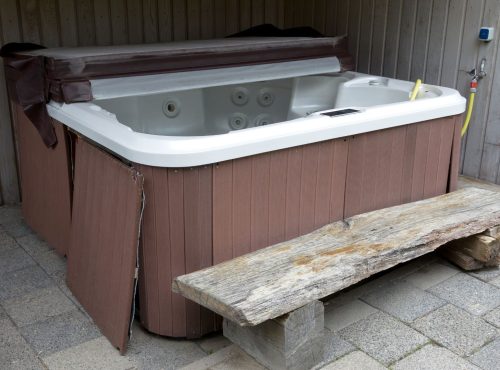
A hot tub may look like one big piece of equipment, but hidden beneath its glossy shell is a web of pumps, wiring, plumbing, and insulation. Anyone who has attempted to move one without preparation quickly discovers how tricky it is. These units are bulky, heavy, and often wedged into spaces that make maneuvering a true challenge. Removing one safely requires more than just muscle. It calls for careful planning, proper tools, and a clear sense of where each piece will end up once it’s disconnected.
Some homeowners think dragging the hot tub onto a trailer will get the job done. Unfortunately, this approach often leads to damage—whether to the hot tub itself, surrounding property, or even the people attempting the move. Without a strategy, wires can snap, water lines can break, and debris can create hazards. That’s why understanding the hidden complexity behind hot tub removal is the first step in making the process smooth, safe, and effective.
Preparing Your Space Before the Removal Begins
Clearing the area around a hot tub is one of the smartest moves you can make before beginning removal. Think about everything surrounding it: patio furniture, planters, garden décor, and even loose gravel that could become a tripping hazard. Creating a wide, open path ensures that whoever is moving the unit has the space needed to navigate without bumping into obstacles. A cluttered work zone doesn’t just slow the process; it increases the risk of damage or injury.
Preparation also extends to checking the route that the hot tub will travel once it’s lifted. Will it pass through a narrow gate or a tight corner of the yard? If so, removing fences or trimming back overgrown shrubs may be necessary. Taking care of these details ahead of time prevents last-minute headaches. When the removal team arrives, they can focus solely on the task at hand instead of pausing to move items or troubleshoot unexpected barriers.
Disconnecting Power and Water the Right Way
Hot tubs connect to both water lines and electrical systems, and disconnecting them correctly is essential for safe removal. Pulling wires or cutting corners with plumbing might sound like a quick fix, but it’s a recipe for bigger problems. The electrical side especially demands caution. Hot tubs often run on dedicated circuits, and those lines must be safely shut off before any dismantling occurs. Forgetting this step can lead to dangerous shocks or damage to your home’s wiring.
On the water side, draining the tub completely is equally important. Many tubs hold hundreds of gallons, and failing to empty them fully can make an already heavy unit nearly impossible to move. Residual water can also spill out, creating slippery surfaces or muddy yard conditions. Using a sump pump or designated drain line ensures the hot tub is dry and ready for transport. Taking the time to properly disconnect everything makes the rest of the removal far less stressful.
Breaking Down the Hot Tub for Easier Transport
Trying to move an intact hot tub can feel like relocating a small car. That’s why breaking it down into manageable pieces often makes more sense. Panels can be removed to expose the frame and mechanical components, and in many cases, pumps and heaters can be detached to lighten the load. Even cutting the shell into sections is an option when space is limited or the unit is too worn out to save.
Dismantling may sound like extra work, but it actually saves time in the long run. Smaller pieces are easier to carry through gates, load onto trailers, and dispose of responsibly. This approach also minimizes the strain on those doing the heavy lifting. By breaking the job into smaller steps, the entire process becomes safer and more efficient, turning a massive project into something that feels much more manageable.
Choosing the Right Tools and Equipment for the Job
Having the correct tools can make or break a hot tub removal project. Dollies, straps, pry bars, and saws all play their part depending on whether you’re dismantling or transporting the unit whole. Using makeshift equipment might seem tempting, but it often leads to mishaps that add both time and frustration. When it comes to moving something as large and awkward as a hot tub, specialized gear is worth its weight in gold.
Safety equipment is just as vital. Gloves, goggles, and sturdy footwear protect against sharp edges, flying debris, or dropped pieces. Hot tubs may look smooth on the outside, but once dismantled, there are plenty of screws, staples, and fiberglass edges waiting to catch you off guard. With the right combination of lifting tools and safety gear, the removal process feels far less daunting and far more controlled.
Responsible Disposal of Hot Tub Materials
A hot tub isn’t just one material; it’s a combination of plastics, metals, wood, and sometimes even fiberglass. Tossing the entire unit into a landfill not only takes up valuable space but also ignores opportunities for recycling. Pumps, motors, and wiring often contain metals that can be reclaimed, while some shell materials may be recyclable depending on your local facility’s guidelines. Separating these elements helps reduce environmental impact and may even lower disposal costs.
Responsible disposal also ensures compliance with local regulations. Many municipalities have rules about dumping large appliances or units that contain electrical components. Ignoring these requirements can result in fines or delays in trash collection. By planning ahead and arranging for proper recycling or junk hauling services, you can be confident that your hot tub removal benefits both your property and the planet.
Timing Your Hot Tub Removal for Convenience
Timing plays a bigger role than most people realize when planning hot tub removal. Choosing to tackle the project in the middle of a wet season, for example, could lead to soggy ground and slippery conditions. On the flip side, extreme heat might make a heavy job even more exhausting. A mild day with dry ground is usually the best scenario for moving something bulky and heavy.
Timing also matters if you’re coordinating with contractors or landscapers. Removing the hot tub before a patio renovation or yard redesign ensures crews have a clean slate to work with. It’s much easier to plan improvements when the old structure is already gone. Thinking ahead about the best moment for removal saves effort later and prevents unnecessary delays in whatever project follows.
Weighing the Benefits of Professional Help
Hot tub removal might seem like a weekend DIY challenge, but there are times when professional help is the smarter route. A removal crew brings not only experience but also the tools, trucks, and manpower needed to finish the job quickly and safely. Instead of spending days wrestling with a stubborn unit, you could have it out of your yard in just a few hours.
Another factor to consider is liability. If you drop a heavy section on your deck or strain your back during the process, the costs can add up quickly. Professional crews know how to navigate tight spaces, protect property, and handle disposal responsibly. The peace of mind that comes with hiring experts often outweighs the cost, especially when dealing with something as large and complicated as a hot tub.
Avoiding Common Mistakes During Removal
Many hot tub removal projects hit snags because of avoidable mistakes. Forgetting to drain the tub, underestimating its weight, or failing to measure exit routes are all issues that can throw a wrench in the plan. Even something as simple as neglecting to wear protective gear can turn an otherwise smooth project into an injury risk. Thinking through each step beforehand prevents these kinds of setbacks.
Another common misstep involves disposal. Some people leave the hot tub at the curb, only to find that local trash services won’t take it. Others haul it to the wrong facility and face rejection at the gate. Doing a bit of homework about disposal requirements saves frustration. By steering clear of these mistakes, hot tub removal becomes less about surprises and more about steady progress toward a clutter-free space.
Transforming Your Space After the Hot Tub Is Gone
Once the hot tub has been removed, the area it occupied suddenly feels like new real estate in your backyard. That empty space offers countless possibilities, from creating a cozy seating area to building a small garden or installing a fire pit. The removal is more than just getting rid of something old—it’s about reclaiming space for new memories and activities.
The transformation often feels immediate. Where there was once a bulky structure demanding constant maintenance, now there’s room for something fresh. This change not only enhances the look of your property but also improves functionality. By approaching hot tub removal as a chance to reimagine your space, you’ll see it less as a chore and more as the first step in an exciting upgrade.
Conclusion
Hot tub removal may seem intimidating at first, but with planning, the right equipment, and an understanding of the process, it becomes a manageable task. From preparing your space to disconnecting power and water safely, each step plays a critical role in ensuring the job goes smoothly. Breaking the hot tub into smaller pieces, scheduling the project at the right time, and arranging responsible disposal all contribute to a safe and efficient outcome. The effort pays off not only in a cleared yard but also in the opportunity to repurpose that space for something more enjoyable.
For those who prefer to skip the hassle, turning to local experts makes the process even easier. Bee Gone Junk Removal in South Lyon, MI offers dependable junk removal services that take the stress out of projects like this. With just a call to 734-355-9918 or an email to beegonejunkremoval@gmail.com, you can arrange for professional help that gets the job done quickly and responsibly. Removing a hot tub is no longer a daunting task when the right support is just a phone call away.