
Carpet Removal A Step-by-Step Guide
Before diving into carpet removal, it’s crucial to prepare the room thoroughly. Start by moving all furniture and decorative items to another area to ensure nothing obstructs your work. Take a close look at the edges of the room, baseboards, and corners where carpets often hide stubborn staples and adhesives. Clear lighting helps you spot areas needing extra attention and reduces the chance of accidents during the process. It’s not just about moving things out; it’s about creating a safe, organized space where the removal can be executed efficiently. Wearing protective gloves and sturdy footwear will shield your hands and feet from sharp objects often embedded in older carpeting.
Next, gather all the tools you might need: a utility knife, pliers, a pry bar, and a heavy-duty trash bag or container for scraps. Removing old carpets is physically demanding, so plan to take breaks and hydrate. A little preparation goes a long way in reducing frustration and making the job smoother. By mapping out your approach beforehand, the process feels less like a chore and more like a manageable project that can be accomplished methodically.
Removing the Baseboards and Trim
Carpet removal often involves dealing with baseboards and trim, which can be delicate if you plan to reuse them. Start by gently prying off baseboards with a putty knife or pry bar. Work slowly to avoid damaging the walls or the trim itself. Once removed, label each section for easy reinstallation. Keeping track of nails and screws is equally important; a small container can prevent them from getting lost during the chaos. This step ensures that once the carpet is gone, your room can be reassembled without leaving gaps or scratches.
If you’re not planning to reuse the trim, this step becomes more flexible. Still, taking care while removing any attached molding reduces the risk of splintering and makes cleanup easier. Baseboards often conceal carpet tack strips and nails, so removing them first can speed up the carpet extraction process. This preparatory work lays the foundation for a smoother, more controlled removal experience, saving time and preventing damage.
Cutting the Carpet into Manageable Sections
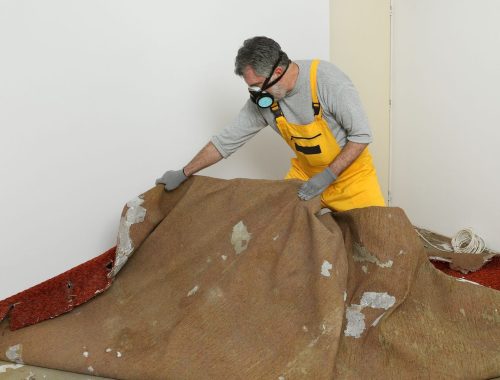
Once the room is prepped and baseboards removed, the next step is cutting the carpet into sections. Using a utility knife, carefully slice the carpet along natural seams or in strips about three feet wide. Smaller sections are easier to lift and maneuver, especially in tight corners. Folding each strip inward while rolling helps contain loose fibers and reduces mess. It also makes disposal far simpler, whether you’re carrying it to the curb or to a disposal container.
Pay attention to the padding beneath the carpet, as it often requires separate removal. Padding can stick to the floor with adhesive, which might necessitate scraping. Keeping your cuts straight and consistent helps prevent accidents and ensures that each piece is manageable. By methodically cutting and rolling the carpet, you minimize frustration and maintain a controlled workflow throughout the removal process.
Removing Tack Strips and Staples
Tack strips are thin wooden boards with protruding nails that hold the carpet in place. Removing them requires caution as the nails can easily puncture your skin. Using pliers or a pry bar, lift the strips slowly, working section by section. Staples embedded in the carpet or padding can be pulled out using pliers or a staple remover. This stage is critical because leftover nails or staples can cause injury or interfere with future flooring installation.
Dispose of tack strips and staples carefully to prevent accidents. Some homeowners wrap them in cardboard or use a sturdy container to keep everything contained. By removing tack strips and staples efficiently, you reduce potential hazards and create a clean surface ready for your next flooring project. Taking your time during this stage ensures safety and lays the groundwork for a successful floor transition.
Handling Adhesives and Carpet Residue
Older carpets often leave behind adhesive residue that can be stubborn and sticky. Start by scraping off the bulk of the adhesive with a floor scraper. For more stubborn spots, a solvent or adhesive remover can be applied cautiously to soften the glue. Avoid harsh chemicals that might damage the subfloor; always test a small area first. Working methodically ensures the floor underneath remains intact and prepared for the next step, whether it’s refinishing, tiling, or installing new carpet.
Residue removal can be messy and time-consuming, so wearing gloves and protective eyewear is advised. Take your time with each section, scrubbing and scraping until the surface is clear. A well-prepped floor enhances the longevity of new flooring and prevents uneven surfaces from causing issues later. Thorough attention at this stage reduces frustration and improves the overall appearance and functionality of your flooring project.
Cleaning the Subfloor
After carpet and adhesive removal, cleaning the subfloor is essential. Sweep or vacuum debris and dust thoroughly to expose any hidden issues like cracks or water damage. Inspecting the floor carefully allows you to address potential problems before installing new flooring. Small cracks or gaps can be patched, and uneven areas leveled, creating a smoother surface that supports the longevity of your next flooring choice.
A clean subfloor also improves adhesion for any materials you may install. It’s tempting to skip this step, but taking the time to ensure a pristine base prevents headaches later. Sweep, vacuum, and even mop if necessary to remove fine particles. This attention to detail guarantees that your room is not only ready for new flooring but also maintains a professional, finished appearance once the project is complete.
Proper Disposal of Old Carpet and Padding
Removing carpet creates a significant amount of waste, and proper disposal is critical. Check local regulations for guidelines on disposing of carpeting, padding, and tack strips. Many areas allow curbside pickup for smaller sections, while larger amounts may require a trip to a landfill or a dedicated recycling facility. Rolling up carpet tightly helps contain debris, and placing padding in sturdy bags prevents messy spills.
Recycling options are available in some communities for carpet and padding materials. Donating usable sections can also be a responsible choice. The goal is to remove the carpet safely and responsibly while minimizing environmental impact. Taking a thoughtful approach to disposal not only clears your space but also contributes to sustainability and community well-being.
Tools and Safety Equipment You Need
Carpet removal is physically demanding and requires the right tools to be effective and safe. Essential items include a utility knife, heavy-duty gloves, a pry bar, pliers, and sturdy footwear. Safety goggles protect your eyes from flying debris, while knee pads reduce strain during prolonged periods of kneeling. Proper equipment ensures efficiency and minimizes the risk of injury during every stage of removal.
Even with the correct tools, physical readiness is important. Lifting heavy carpet sections or handling tack strips can be strenuous. Take frequent breaks and avoid rushing to prevent accidents. Combining the right tools with mindfulness about your body’s limits ensures that the removal process proceeds smoothly. Being well-prepared for both equipment and safety makes the project manageable and less stressful overall.
Common Challenges During Carpet Removal
Carpet removal can present several challenges that may slow progress. One common issue is stubborn staples and tacks that refuse to budge, sometimes hidden under padding or along baseboards. Adhesive residue and glued-down sections can also complicate the process. Uneven subfloors, water damage, or hidden debris beneath the carpet may require extra attention to detail and repair before new flooring can be installed.
Another challenge is handling large, heavy carpet sections, especially in rooms with limited space. Breaking the carpet into smaller, manageable strips can ease this process. Preparing mentally for unexpected obstacles ensures you remain patient and adaptable. By acknowledging potential challenges and planning accordingly, the carpet removal experience becomes less overwhelming and more structured, reducing stress and frustration.
Finishing Touches and Preparing for New Flooring
Once the carpet and padding are gone, and the subfloor is clean and even, the room is ready for new flooring. Take a final sweep to remove lingering debris and inspect the floor for imperfections that need addressing. Installing new flooring on a well-prepared subfloor ensures durability and a professional appearance. Reinstalling baseboards or trim completes the transformation, giving the room a polished, finished look.
Consider taking a moment to enjoy the space before proceeding with the installation. A clean, open floor can change the feel of a room, making it seem larger and more inviting. Proper preparation, careful removal, and thorough cleaning set the stage for a successful flooring upgrade, creating a welcoming environment ready for years of use and enjoyment.
Conclusion
Carpet removal is a demanding but rewarding process that transforms any room from worn-out and cluttered to clean and ready for a fresh start. By preparing your space carefully, removing baseboards and trim methodically, cutting carpets into manageable sections, and addressing adhesives and debris, the process becomes much more efficient and less stressful. Handling tools with care and following safety protocols ensures that the project is executed smoothly from start to finish. Each step, from cleaning the subfloor to properly disposing of old materials, lays the foundation for a successful flooring upgrade and a refreshed, organized space.
For those who prefer a professional touch or want to simplify the process, Bee Gone Junk Removal offers reliable junk removal services in South Lyon MI. Their experienced team handles carpet, padding, and other materials efficiently while ensuring responsible disposal practices. Contact them at 734-355-9918 or via email at beegonejunkremoval@gmail.com for assistance. Trusting experts can save time, reduce stress, and ensure your flooring project starts with a clean slate and a clutter-free environment.