
Estate Cleanouts: How to Organize and Simplify the Process
An estate cleanout can feel overwhelming at first glance. The process involves sorting through years of accumulated possessions, each holding memories, value, or sentimental weight. Recognizing the scope is the initial step toward creating a manageable plan. By dividing the property into zones or categories, it becomes easier to prioritize tasks. Each room can be approached individually, focusing first on areas that require immediate attention or contain items that need professional disposal.
An organized approach helps prevent unnecessary stress and ensures no item is overlooked. Begin by categorizing belongings into keep, donate, sell, or discard piles. Understanding the volume and nature of items will also inform whether professional junk removal or specialized services are required. This initial assessment forms the blueprint for the entire cleanout, allowing homeowners or estate executors to allocate time, labor, and resources efficiently, reducing the risk of burnout or missed opportunities to repurpose valuable items.
Creating a Strategic Timeline
Timing plays a crucial role in estate cleanouts. Establishing a strategic timeline allows for a smooth progression, keeping tasks from piling up and overwhelming those involved. Starting with an overall schedule, break down the cleanout into daily or weekly goals, assigning specific areas or categories to manageable segments. This method prevents fatigue and ensures consistent momentum throughout the project. Timelines should be realistic, factoring in the availability of family members, volunteers, or hired professionals.
A well-structured timeline also provides clarity when coordinating with junk removal services. Professionals can align their schedule with your planned cleanout phases, ensuring a seamless transition from sorting to disposal. Additionally, a timeline helps prioritize essential tasks, such as removing hazardous materials, electronics, or large furniture, before focusing on less urgent items. By maintaining a sense of order and pacing, an estate cleanout can become a methodical, stress-reducing process, rather than a chaotic or emotionally draining ordeal, keeping the property organized and ready for its next stage.
Sorting and Categorizing Items Effectively
Proper categorization is the backbone of an efficient estate cleanout. Items should be sorted into distinct groups based on their future destination, whether it’s keeping, donating, selling, or discarding. Valuable or sentimental items can be set aside first to ensure they are not accidentally disposed of. Household items, furniture, and décor may be evaluated for donation or resale, while hazardous or broken items are identified for professional disposal. Clear labeling of boxes or areas helps maintain clarity, preventing confusion during the process.
Sorting also reveals items suitable for recycling or repurposing, promoting an eco-conscious cleanout. Electronics, metals, and certain household items may require special handling, and identifying these early saves time and frustration. Breaking down belongings into categories allows multiple people to work simultaneously without overlapping efforts, improving efficiency.
Prioritizing Items for Removal
Identifying which items to remove first creates a logical flow for the estate cleanout. Start with bulky, heavy, or hazardous items, such as old appliances, mattresses, or chemicals, as these require more effort and safety considerations. Removing these first opens space for sorting smaller items and provides immediate visual progress, boosting morale. Items that are time-sensitive, perishable, or potentially valuable for resale should also be prioritized. By addressing these categories early, the cleanout process becomes more organized and efficient, reducing bottlenecks and delays.
Prioritization also facilitates professional junk removal services, allowing them to tackle the most challenging items with proper equipment. Smaller, less critical items can be managed later, ensuring that the cleanout maintains momentum without becoming physically or emotionally overwhelming. Creating a hierarchy of items ensures that every task contributes meaningfully to progress, resulting in a smoother, more satisfying cleanout experience while reducing stress and confusion for everyone involved.
Utilizing Professional Junk Removal Services
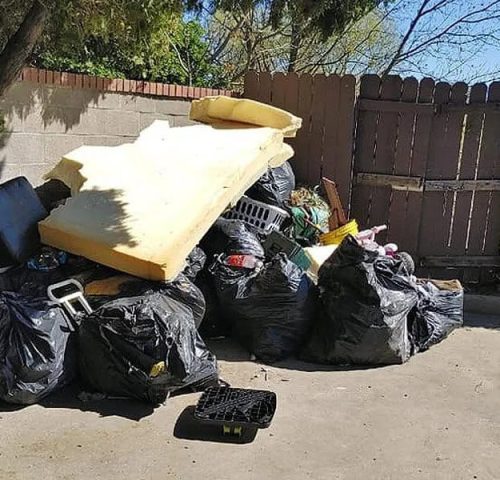
Professional junk removal services can greatly simplify estate cleanouts. Experienced crews bring the expertise, equipment, and labor needed to safely and efficiently remove large or hazardous items. By outsourcing the heavy lifting, family members can focus on sorting, decision-making, and handling sentimental possessions. Professional services also ensure responsible disposal, recycling, or donation of items, reducing environmental impact and legal concerns. Scheduling these services strategically within the cleanout timeline can save hours of labor and minimize physical strain.
Using professionals also provides a safety net for handling items that may pose risks, such as old furniture, appliances, or chemical containers. Their experience ensures that removal is done without damaging property or creating safety hazards. Additionally, professional services can often provide on-the-spot assessments, giving guidance on how best to proceed with certain items.
Handling Sentimental and Valuable Items
Estate cleanouts often involve navigating emotional attachments to personal belongings. Handling sentimental items requires sensitivity and patience, ensuring family members feel respected in their decisions. Designate a separate area for keepsakes, photographs, and heirlooms. These items should be documented and carefully packed, sometimes with professional assistance, to preserve condition and value. Creating a clear system for sentimental items prevents accidental disposal and helps maintain family harmony during what can be a stressful period.
Valuable items, whether financial or historical, also demand careful attention. Professional appraisers or estate specialists can provide guidance on market value or legal considerations. By prioritizing these items separately, the cleanout process avoids delays or conflicts over important possessions. Managing sentimental and valuable belongings with intention ensures that the estate cleanout respects both emotional connections and practical considerations, allowing other items to be addressed more efficiently without sacrificing care for cherished memories.
Maximizing Donation and Resale Opportunities
Repurposing items through donation or resale offers both practical and emotional benefits. Identifying organizations or charities that accept usable household items helps divert belongings from landfills while supporting local communities. Similarly, selling furniture, décor, or collectibles can generate funds to offset cleanout costs. Clear categorization and item assessment are key to determining what can be donated or sold, and which items require disposal. Timing donations strategically, such as aligning with local charity pickup schedules, enhances efficiency and impact.
Resale opportunities may involve online marketplaces, estate sales, or consignment shops. Presenting items in good condition and properly staged increases their market value and ensures they find a new home. By maximizing these opportunities, estate cleanouts become more than just disposal; they transform into resourceful, purposeful processes that benefit both families and communities.
Efficient Packing and Transportation Techniques
Effective packing and transportation are essential to keep the cleanout organized and minimize damage. Using sturdy boxes, protective wrapping, and clearly labeled containers ensures items are moved safely and systematically. Heavier items should be handled with care or with professional assistance, while fragile items require additional padding and attention. Keeping transportation routes clear and planning loading sequences saves time and prevents accidents. Proper packing techniques not only protect belongings but also simplify the removal process, allowing professionals or family members to work efficiently.
Transportation strategy also includes coordinating junk removal or donation pickups. Consolidating items by category or destination prevents confusion during transit. Maintaining a system where items are prepped for their final location—whether storage, donation, resale, or disposal—reduces the risk of misplacement or damage. By implementing organized packing and transportation techniques, estate cleanouts move more quickly, safely, and smoothly, ensuring a logical flow from sorting to removal.
Staying Organized Amidst Emotional Stress
Estate cleanouts are often emotionally taxing, especially when dealing with a loved one’s belongings. Maintaining organization amidst stress is crucial to prevent burnout or hasty decisions. Taking regular breaks, rotating responsibilities among participants, and keeping clear checklists help manage the mental load. Labeling items, maintaining an orderly workspace, and following the pre-planned timeline provide a sense of control and accomplishment. These methods reduce anxiety and keep the process manageable while honoring the memory and legacy of the deceased.
Communication is also key in managing emotions during a cleanout. Discussing decisions openly and setting clear boundaries for what can be kept, donated, or discarded minimizes conflict. Having a structured plan and sticking to it provides reassurance and focus, turning a potentially overwhelming situation into a navigable process. Maintaining both emotional and organizational balance allows family members to approach the cleanout with clarity, patience, and mutual respect.
Finalizing and Cleaning the Property
The last phase of an estate cleanout involves a thorough review and cleaning of the property. Ensure all items have been removed according to the predetermined plan, and inspect each area for overlooked belongings. Professional cleaning or junk removal services can assist with debris, leaving the home ready for sale, rental, or personal use. Completing this final stage not only improves the visual appeal of the property but also provides closure for those involved, signaling the end of a significant chapter.
Finishing touches may include minor repairs, dusting, and vacuuming to restore the space to a presentable state. Properly managing this final phase ensures that the estate is left in orderly condition, ready for its next purpose. By concluding with thoroughness and attention to detail, the cleanout becomes a complete process, offering both practical and emotional closure for families, and preserving the value of the property for future endeavors.
Conclusion
Estate cleanouts require a delicate balance of organization, strategy, and emotional intelligence. Streamlining the process with clear categorization, strategic timelines, and professional assistance can transform a daunting task into an achievable and efficient project. Utilizing junk removal services not only alleviates physical labor but ensures proper disposal, donation, and recycling of items, contributing to a more sustainable and stress-free experience. Families benefit from maintaining order and respecting sentimental items, turning the cleanout into a purposeful and considerate process that honors the legacy of the estate.
For those navigating an estate cleanout in South Lyon, MI, Bee Gone Junk Removal provides expert junk removal services to make the process seamless. Their team manages every stage, from heavy lifting to eco-conscious disposal, giving families peace of mind. Contact Bee Gone Junk Removal at 734-355-9918 or via email at beegonejunkremoval@gmail.com for professional, reliable, and compassionate assistance. By integrating professional support into your cleanout, the task becomes manageable, organized, and ultimately rewarding for everyone involved.