
Garage Cleanout Tips for Homeowners
A garage is more than a storage spot for vehicles; it can become a functional extension of your home if organized effectively. Many homeowners underestimate the potential of their garage, filling it with unused tools, boxes of old items, and miscellaneous clutter that accumulates over the years. The first step in reclaiming this space is to mentally envision how you want to use it. Consider whether you want a workspace for DIY projects, additional storage, or a combination of both.
Organization is the key to transforming the garage into a usable area. Sorting items into categories such as seasonal, frequently used, and rarely needed allows you to prioritize storage solutions effectively. This step also provides clarity on what truly belongs in your garage versus what can be donated, recycled, or discarded.
Sorting and Categorizing Your Belongings
Before diving into cleaning, it is crucial to categorize all the items in your garage. The process begins by removing everything from shelves, hooks, and corners, placing items in designated zones for sorting. As you sift through your belongings, decide what to keep, what to donate, and what requires proper disposal. This approach prevents random accumulation from returning after the initial cleanup and helps establish long-term order.
Effective categorization also highlights items that may have been forgotten or overlooked. Often, garages harbor tools or equipment that are no longer functional or duplicate items that serve no purpose. Identifying these objects early prevents wasted space and allows homeowners to make intentional decisions about their storage. As you sort, think about accessibility, placing frequently used items in convenient locations while less necessary belongings can be stored higher up or further back.
Clearing Out Unnecessary Clutter
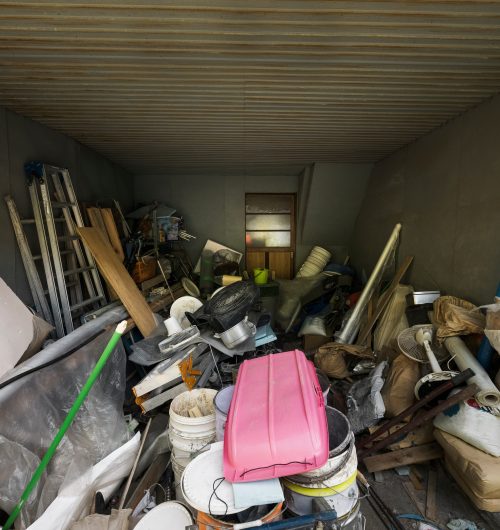
Clutter is the most significant barrier to an organized garage. Items that have not been used in years or that have lost their value often occupy prime storage space. Clearing out these unnecessary objects frees room for items that are functional and meaningful. Start by establishing criteria for what qualifies as clutter, such as broken items, outdated tools, or possessions no longer serving a purpose. Removing these objects can be a cathartic process, allowing homeowners to regain control of their environment and create a sense of accomplishment that fuels further cleaning efforts.
A systematic approach ensures efficiency in clearing clutter. Designate zones for trash, donation, and recycling to prevent confusion and keep the process flowing. Taking breaks during the cleanout avoids fatigue and maintains focus, which is essential when dealing with large amounts of clutter. Involving family members in decision-making can also expedite the process and reinforce a shared understanding of what belongs in the garage. The result is a space that feels lighter, more organized, and ready for practical use, setting the foundation for ongoing maintenance and functionality.
Utilizing Vertical Storage Solutions
When floor space is limited, vertical storage becomes a homeowner’s best friend. Shelving units, wall-mounted hooks, and pegboards can maximize storage potential without cluttering the garage floor. These solutions help organize tools, sports equipment, and seasonal decorations, keeping them easily accessible while maintaining open areas for vehicles or workspaces. Vertical storage also provides visual clarity, allowing homeowners to identify items quickly and reduce time spent searching for essentials. Installing adjustable shelving ensures flexibility for storing items of different sizes, accommodating changes in storage needs over time.
Pegboards are particularly versatile, offering a customizable approach to tool organization. Hooks, baskets, and specialized holders can be rearranged as needs evolve, ensuring optimal use of wall space. Even bicycles or ladders can be elevated off the ground using sturdy mounts, preventing damage and freeing up valuable walking room. Properly installed vertical storage not only increases capacity but also improves safety by minimizing tripping hazards. By elevating items strategically, homeowners can achieve a cleaner, more organized garage while creating a visually appealing and practical environment.
Creating Zones for Different Activities
Dividing your garage into functional zones is essential for long-term organization. Each zone should serve a specific purpose, such as a tool area, gardening space, seasonal storage, or workspace for hobbies. Clearly defined zones help maintain order and prevent items from being scattered haphazardly across the garage. Labeling shelves, bins, and containers within these zones adds another layer of clarity, ensuring that everyone in the household knows where items belong. This approach not only enhances efficiency but also reduces the stress of searching for items when needed.
Zones should reflect the frequency of use for stored items. Place everyday tools and equipment within easy reach, while infrequently used seasonal items can occupy higher shelves or the back of storage units. Consider integrating a small workbench or table in a designated workspace to encourage project completion without disrupting the overall order. Thoughtful zoning allows homeowners to maximize their garage’s potential, transforming it from a chaotic storage area into a structured, functional space that supports both storage and daily activities.
Implementing Smart Storage Containers
Storage containers are more than just plastic boxes; they are critical tools for creating order in a garage. Choosing containers of varying sizes allows for flexible storage options, accommodating small items like screws and nails as well as bulkier belongings like sports gear or camping supplies. Transparent containers add the benefit of immediate visibility, making it easier to locate items without unnecessary rummaging. Additionally, stackable containers optimize vertical space, enabling homeowners to store more items efficiently while keeping the floor area clear for movement or larger equipment.
Labels are essential for maximizing the effectiveness of storage containers. Clearly marked containers save time and reduce the likelihood of misplaced items, particularly in households where multiple members access the garage. Grouping similar items together within containers also streamlines organization and ensures that each object has a designated home. By investing in smart storage solutions, homeowners can maintain a cleaner and more orderly garage over time, creating a space that not only functions efficiently but also inspires pride and satisfaction in its upkeep.
Regular Maintenance and Seasonal Checkups
A clean garage requires ongoing maintenance to prevent clutter from creeping back in. Establishing a regular schedule for tidying, such as monthly or quarterly checkups, ensures that items remain organized and easy to access. Seasonal checkups are particularly effective, allowing homeowners to rotate tools and supplies according to their usage patterns. For example, winter equipment can be stored during summer months while gardening tools take center stage. Regular attention prevents minor disorganization from escalating into a major mess and prolongs the lifespan of stored items by keeping them protected and properly arranged.
During maintenance sessions, inspect shelves, hooks, and storage units for wear and tear. Replace or repair damaged components to maintain safety and stability. Evaluate the effectiveness of existing zones and adjust layouts as needed to accommodate new tools or hobbies. By making maintenance a consistent habit, homeowners reinforce an organized garage environment that is easier to navigate and use. Consistent care also encourages mindful decision-making about what to keep, donate, or dispose of, ensuring that clutter is managed before it becomes overwhelming.
Efficiently Disposing of Junk
Disposing of unwanted items is a crucial aspect of garage cleanouts. Proper junk removal prevents clutter from returning and ensures that the garage remains a functional space. Items that cannot be reused or donated should be disposed of responsibly through recycling or professional removal services. Categorizing junk before disposal simplifies the process and ensures compliance with local disposal regulations, reducing environmental impact while maintaining an organized environment. Efficient disposal is both practical and liberating, giving homeowners a sense of accomplishment and reclaiming space for items that matter.
When handling large or hazardous items, such as old appliances, chemicals, or broken furniture, safety should be the priority. Professional junk removal services can provide the necessary equipment and expertise to manage heavy lifting and proper disposal, minimizing the risk of injury or environmental harm. Even small items can accumulate quickly, so regular disposal routines are important to prevent clutter from resurfacing. A well-executed disposal plan transforms the garage into a cleaner, safer, and more practical space, supporting the long-term goal of organized living.
Enhancing Accessibility and Convenience
Organization is only as effective as accessibility. A garage may contain everything from tools to sports equipment, but if items are difficult to reach, it undermines efficiency. Consider installing sliding storage racks, pull-out bins, or labeled drawers to simplify retrieval. Frequently used items should occupy eye-level or easily reachable areas, while rarely used items can be stored higher or deeper. Maximizing convenience encourages consistent use of the organization system, reducing frustration and time wasted searching for misplaced belongings.
Pathways should remain clear to allow easy movement within the garage. Avoid overloading shelves or cramming items into corners where they are difficult to see. Lighting also plays a key role in accessibility; adequate illumination ensures that even the back corners are usable and safe. Small adjustments like adjustable shelving, foldable work surfaces, and strategically placed hooks make a significant difference in usability. Prioritizing convenience in storage planning ensures that homeowners can enjoy a functional, clutter-free garage that supports their lifestyle.
Conclusion
Transforming a cluttered garage into a clean, organized, and functional space requires patience, strategy, and thoughtful implementation. Homeowners can reclaim valuable storage, improve accessibility, and even create areas for hobbies or work by employing practical cleanout strategies. From sorting and categorizing belongings to implementing smart storage containers and vertical solutions, every decision contributes to a more streamlined, efficient environment. Regular maintenance and seasonal checkups ensure that organization lasts over time, preventing clutter from accumulating and making future cleanouts less overwhelming.
For homeowners in South Lyon, MI seeking professional assistance with junk removal, Bee Gone Junk Removal offers reliable services to simplify the process. Contact them at 734-355-9918 or via email at beegonejunkremoval@gmail.com to handle large or cumbersome items safely and efficiently. Utilizing expert services alongside personal organization strategies can help homeowners achieve a garage that is not only practical and tidy but also welcoming and functional for daily use, ensuring long-term satisfaction and ease of living.