
What to Do with Your Old Electronics: A Complete Guide
Every electronic device has a hidden clock, ticking away silently from the moment you unwrap it. While some gadgets endure for years, others succumb to obsolescence much sooner. Recognizing the lifespan of your electronics allows you to plan their replacement thoughtfully and avoid sudden frustration. Devices such as smartphones and laptops often have predictable cycles dictated by software updates and battery health. Meanwhile, appliances like microwaves or televisions may last longer but still become inefficient over time. Understanding these cycles equips you with the foresight to act before the devices become obsolete or hazardous.
When considering what to do with old electronics, it’s essential to assess their condition and potential value. Even if a gadget no longer functions optimally, parts can often be salvaged or repurposed. Taking stock of your devices allows for informed decisions about recycling, selling, or donating. A systematic approach ensures that you minimize waste while maximizing the residual utility of each electronic item, keeping both your living space and the environment cleaner. This perspective lays the groundwork for responsible disposal practices.
Preparing Electronics for Disposal
Before parting with any device, preparing it properly is crucial. This preparation begins with data security, particularly for devices that store sensitive personal information. Back up necessary files and perform factory resets to ensure your data cannot be retrieved. Removing batteries and accessories not only prevents damage but also simplifies the recycling process. A careful approach ensures that both your privacy and the functionality of the device’s components are preserved, creating a safer disposal process.
Cleaning electronics also contributes to responsible disposal. Dust and grime can complicate recycling, while corrosion or damaged wiring can pose hazards. Gently wiping surfaces and storing devices in protective containers can extend the usefulness of reusable parts. Thoughtful preparation streamlines the journey from your home to the appropriate recycling or donation center. By approaching disposal with organization and care, you protect your data, facilitate efficient recycling, and reduce the environmental impact of electronic waste.
Exploring Eco-Friendly Disposal Options
Electronics contain materials that are valuable yet potentially hazardous. Choosing eco-friendly disposal options minimizes environmental harm while recovering useful components. Many municipalities and private companies offer recycling programs designed to safely extract metals, plastics, and rare earth elements. By engaging in these programs, you contribute to a circular economy, ensuring that discarded devices transform into raw materials for future products rather than polluting landfills.
Professional junk removal services often provide environmentally responsible disposal, collecting old electronics and ensuring proper processing. These services reduce the risk of harmful substances, such as lead and mercury, entering ecosystems. Additionally, many organizations offer donation opportunities for functional devices, giving them a second life in schools or community centers. Prioritizing eco-conscious choices not only safeguards the planet but also aligns with sustainable consumer practices that extend beyond individual households.
Selling or Trading Old Electronics
When your device retains some functionality, selling or trading it can be an advantageous option. Online marketplaces and trade-in programs allow you to exchange old electronics for cash or credit toward new purchases. Evaluating the condition and market value of your device ensures you receive a fair return while simultaneously reducing waste. Some platforms specialize in refurbishing, offering devices a renewed purpose and extending their life cycle.
Trading old electronics with friends, family, or local community groups provides additional opportunities for reuse. This informal approach fosters a culture of sharing and resourcefulness, reducing the need for new manufacturing and consumption. Whether through formal marketplaces or personal exchanges, ensuring devices find a new home keeps them out of landfills and allows others to benefit from their functionality. Selling and trading remain practical solutions for sustainable electronic management.
Donating Functional Devices
Many organizations actively seek donations of working electronics. Schools, non-profits, and community centers often rely on refurbished devices to support educational and social programs. Donating extends the life of your electronics while benefiting those who may lack access to technology. Verifying that devices meet basic operational standards ensures that recipients receive useful tools rather than non-functional equipment.
Preparing donations properly involves removing personal information, ensuring accessories are included, and providing any necessary instructions for use. Some programs also accept partially functional devices for refurbishment. By choosing donation as a disposal pathway, you contribute to social good and environmental sustainability simultaneously. This method demonstrates that electronic waste management can have a positive ripple effect beyond mere removal.
Recycling Specialized Components
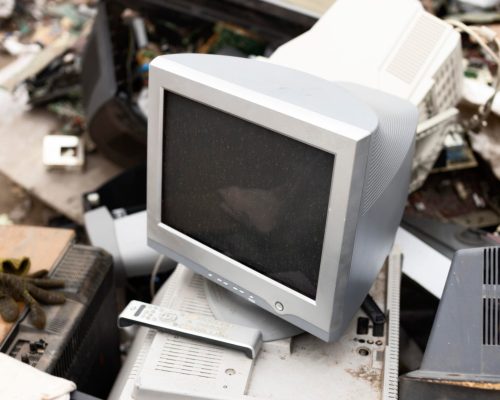
Certain electronics contain specialized components that require careful handling. Batteries, circuit boards, and fluorescent screens often contain hazardous materials and should not be discarded with general waste. Certified recycling centers possess the expertise to disassemble these components safely and recover precious metals. Segregating these items from standard electronics facilitates efficient processing and reduces potential environmental contamination.
Electronic recycling programs also often accept peripherals such as chargers, cables, and adapters. Even if these items appear insignificant, collectively they represent a meaningful contribution to resource conservation. By identifying and separating specialized components, you ensure compliance with regulations and support sustainable disposal practices. Effective recycling transforms potentially dangerous waste into recoverable resources, closing the loop in the electronic lifecycle.
Creative Reuse and Upcycling Ideas
Not all old electronics need to be destroyed. Creative reuse, or upcycling, allows components to gain new life in unconventional ways. For example, old hard drives can become digital photo frames, while circuit boards may be repurposed for art projects. Such practices extend the practical and aesthetic value of electronics while diverting waste from traditional disposal channels.
Community workshops and maker spaces often encourage inventive applications of outdated technology. Engaging with these creative outlets fosters innovation and environmental awareness simultaneously. By thinking beyond conventional disposal methods, you open doors to functional, decorative, or educational uses. Upcycling challenges the perception of obsolescence, transforming old electronics into objects of utility or inspiration.
Understanding Legal and Safety Considerations
Electronic disposal is not just a practical concern but a legal one. Certain materials, like lead, mercury, and cadmium, are regulated due to their toxicity. Improper handling or dumping can result in legal consequences or environmental fines. Familiarizing yourself with local and federal regulations ensures compliance and promotes responsible management of electronic waste.
Safety also involves protecting yourself during the disposal process. Handling sharp edges, batteries, or dismantled components requires gloves and caution. Avoiding fire hazards from lithium batteries and securely storing electronics until collection prevents accidents. Awareness of legal and safety aspects transforms disposal from a chore into a conscientious and secure practice.
Choosing Professional Junk Removal Services
Professional junk removal services offer a convenient and reliable solution for managing old electronics. These companies specialize in collection, transportation, and responsible disposal, alleviating the logistical burden from individuals. Trained technicians handle heavy or complex devices safely, minimizing risk to homeowners and the environment. Services often include sorting, recycling, and donation, ensuring comprehensive management of electronic waste.
Utilizing professionals also streamlines the process for large quantities or particularly unwieldy items. From single devices to entire office cleanouts, these services provide efficiency and peace of mind. By engaging experts, you ensure compliance with environmental guidelines and maximize the potential for recovery or reuse. Professional junk removal transforms the challenge of electronic waste into an organized, eco-conscious solution.
Maintaining a Sustainable Approach Moving Forward
Managing old electronics responsibly extends beyond immediate disposal. Establishing habits such as periodic device audits, mindful purchasing, and participation in recycling programs fosters long-term sustainability. Assessing device longevity and environmental impact before acquiring new technology encourages deliberate consumption and reduces future waste. This proactive mindset helps maintain organized, clutter-free spaces and supports broader environmental goals.
Educating family members or colleagues about proper disposal further amplifies sustainable practices. Encouraging shared responsibility ensures that old electronics are consistently handled with care. By integrating these strategies into daily routines, households and organizations contribute meaningfully to environmental preservation. Maintaining a sustainable approach transforms electronic disposal into a continuous practice of mindful stewardship.
Conclusion
Properly managing old electronics requires a balance of practicality, safety, and environmental awareness. From careful preparation to creative reuse, the choices made today determine both the longevity of devices and the impact on the planet. Professional services enhance convenience while ensuring responsible disposal, and thoughtful donation or recycling maximizes value and minimizes waste. Approaching electronic waste with knowledge and intent fosters a cleaner, more organized home environment.
For residents in South Lyon, MI, Bee Gone Junk Removal provides expert junk removal services tailored to handle all types of electronics safely and efficiently. Their team ensures devices are recycled, donated, or disposed of in compliance with environmental standards. Contact Bee Gone Junk Removal at 734-355-9918 or email beegonejunkremoval@gmail.com to schedule a pickup or inquire about services. With a focus on eco-friendly practices, they help homeowners maintain clutter-free spaces while protecting the environment.