
Every yard tells a story, yet what lingers behind after trimming hedges, mowing grass, or removing fallen branches can cloud the beauty of your outdoor space. Yard waste may appear harmless, but when handled without care, it can create hidden hazards. Piles of damp leaves invite pests, while improperly discarded branches can obstruct pathways or drainage systems. Understanding why safe disposal matters helps homeowners preserve not only appearance but also environmental health.
Disposing of yard waste safely is about responsibility toward your surroundings. Communities thrive when homeowners take steps to reduce risks like water contamination and accidental injuries caused by unmanaged debris. By approaching yard waste thoughtfully, you not only maintain curb appeal but also support cleaner neighborhoods. Seeing your yard as part of a bigger ecosystem makes the process less about chores and more about stewardship of the place you call home.
Sorting Yard Waste Before Disposal
Safe disposal begins with sorting, yet many underestimate its role. Leaves, sticks, grass clippings, and even soil carry different disposal needs, and mixing them carelessly can complicate the process. For instance, grass clippings decompose quickly, while larger branches may require professional removal. Sorting ensures that what can naturally decompose does so efficiently, while bulkier items are redirected to proper collection or recycling centers.
This step also minimizes health risks and accidents. Sharp branches hidden under leaves can cause cuts during handling, while tangled vines may create trip hazards. Taking a few minutes to separate piles by type simplifies collection and disposal, making the work more efficient. Yard waste is often underestimated, but once sorted properly, you’ll see how much smoother and safer the entire process becomes. Sorting is an investment in time that saves effort later.
Choosing the Right Tools for Safe Disposal
Every project has its tools, and yard waste disposal is no exception. Handling debris with bare hands or dull equipment increases the likelihood of injury. Thick gloves, rakes, shears, and sturdy containers create a safe foundation for the task. Even something as small as splinters from untreated branches can lead to discomfort when the right protective gear is overlooked. By preparing with dependable tools, the job feels less overwhelming and far more manageable.
Containers or bags specifically designed for yard waste are equally essential. Regular plastic bags may rip, scattering waste back across your freshly cleared yard. Reinforced bins or biodegradable bags keep the process clean while supporting eco-friendly practices. When the right equipment is in place, you work smarter, not harder, protecting yourself while ensuring the waste is transported safely to its next destination.
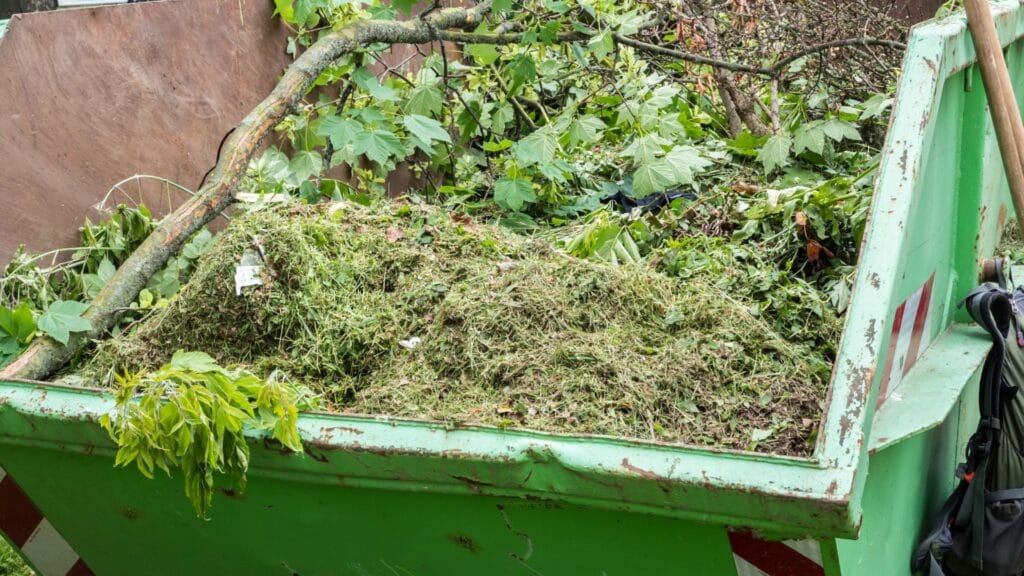
Composting Yard Waste Responsibly
Composting transforms yard waste from clutter into something useful. Leaves, grass, and small branches can break down into nutrient-rich material that fuels garden beds. Done correctly, this process reduces the volume of waste you need to haul away while promoting sustainable gardening practices. Composting is more than just piling scraps together—it requires the right balance of green and brown materials to decompose effectively without creating unpleasant odors.
Safety plays a role here too. Compost piles should be placed away from structures to prevent pests from creeping too close to your home. Turning the pile regularly ensures airflow, which prevents mold and harmful bacteria from forming. By composting responsibly, you not only save disposal costs but also create a cycle that returns nutrients to the soil, making your yard healthier in the long run.
Avoiding Hazardous Yard Waste Practices
Not every piece of yard waste belongs in a compost bin or curbside bag. Items like treated wood, diseased plants, or invasive weeds require special attention. Burning debris, though sometimes tempting, can be harmful to both the environment and your health, releasing toxic fumes or creating fire hazards. Safe disposal means recognizing these risks and choosing alternatives that protect your family and your property.
Many homeowners unknowingly spread disease by tossing infected branches into compost piles or leaving them on the curb. This simple mistake allows problems to travel across yards and gardens, creating bigger issues for entire neighborhoods. Taking the time to identify and separate unsafe waste materials is an extra step, yet one that pays off by keeping your outdoor environment thriving without hidden dangers.
Using Community Yard Waste Programs
Communities often offer yard waste collection days or drop-off sites where homeowners can safely dispose of branches, leaves, and other organic debris. These programs not only provide a convenient solution but also ensure that waste is handled responsibly. Participating in such initiatives keeps your yard clean while reducing strain on landfills, since much of the material can be recycled or repurposed.
For many, these programs represent a bridge between convenience and environmental responsibility. Instead of guessing where to take large piles of waste, you rely on organized collection systems designed to manage debris safely. Knowing that your yard waste ends up in the right hands offers peace of mind, and at the same time, strengthens the sense of community cooperation.
Preparing Yard Waste for Collection
Once waste is sorted, the next step is preparing it for safe collection. Bundling branches with twine, placing leaves into biodegradable bags, and ensuring no hazardous items are hidden inside helps waste collectors handle your materials safely. This preparation also speeds up removal, reducing delays and potential hazards that occur when waste is left scattered around.
Proper preparation protects more than just workers. When yard waste sits unsecured, wind or rain can scatter it back into driveways and storm drains. Preparing the waste correctly ensures it makes it to the collection site intact, keeping your neighborhood clean and safe. This habit reinforces a routine of responsibility, demonstrating respect for both the process and the people involved.
Reducing Yard Waste Through Smart Landscaping
An often-overlooked method of safe disposal is simply creating less waste in the first place. Strategic landscaping choices can reduce the amount of trimming, pruning, and clearing needed throughout the year. Planting native shrubs, choosing slow-growing trees, or installing ground cover instead of grass helps minimize the volume of debris you’ll face. Less waste naturally means less risk during disposal.
This approach not only simplifies your routine but also promotes a healthier yard overall. With fewer clippings and branches to manage, you reduce the strain on local disposal systems while maintaining an attractive outdoor space. By thinking ahead in your landscaping design, you gain a yard that looks great without generating mountains of waste. Prevention is a form of safe disposal that often gets overlooked but proves remarkably effective.
Safe Transport of Yard Waste
Sometimes disposal means transporting waste to another location. Whether heading to a community drop-off site or a composting center, transportation requires its own layer of safety. Overloading vehicles or leaving waste unsecured can cause dangerous road hazards. Properly tying down branches and securing bags ensures that nothing spills out during transit, protecting both you and other drivers.
Choosing the right vehicle also makes a difference. A small car packed with debris can obstruct visibility, while an open truck without nets risks littering highways. Safe transport is about planning—knowing how much you can carry and securing it correctly. This step, while often rushed, is one of the most important for ensuring that yard waste disposal does not create new dangers once it leaves your driveway.
Protecting the Environment Through Safe Yard Waste Disposal
Every bag of leaves and every bundle of branches reflects a choice about how we care for the environment. When yard waste is managed responsibly, it avoids clogging waterways, reduces landfill overflow, and promotes recycling opportunities. Safe disposal is about understanding that the simple act of clearing your yard has ripple effects far beyond your property line.
The environment benefits when organic waste is returned to the soil through composting or properly processed through community programs. Unsafe practices like burning or illegal dumping may seem like shortcuts, but they come at the expense of cleaner air, healthier soil, and thriving ecosystems. By committing to safe disposal habits, homeowners play a direct role in shaping a cleaner and more sustainable future.
Conclusion
Safe yard waste disposal is more than a seasonal task—it’s a responsibility that keeps neighborhoods clean, protects the environment, and ensures personal safety. Sorting, composting, preparing waste properly, and using community programs create a system where debris is handled thoughtfully instead of carelessly. By paying attention to details such as the tools used, how waste is transported, and what materials are safe to compost, homeowners can transform yard maintenance into a sustainable routine that benefits everyone.
When the task feels overwhelming, professional help is always an option. Bee Gone Junk Removal in South Lyon, MI offers reliable junk removal services that handle yard waste safely and efficiently. With a simple call to 734-355-9918 or an email to beegonejunkremoval@gmail.com, you can ensure your outdoor space remains clear without the stress of hauling and sorting on your own. Trusting experts allows you to enjoy your yard while knowing the job is completed responsibly.