
A dumpster overflowing is more than just an eyesore; it signals inefficiency in waste management. Trash piled high beyond the container’s brim can attract pests, create unpleasant odors, and become a safety hazard. Regularly monitoring the level of waste helps prevent unexpected overflow, ensuring the area remains safe and organized. Recognizing subtle signs, like bags teetering at the edge or noticeable odors around the dumpster, allows for proactive intervention before issues escalate. Consistent attention keeps operations smooth and prevents fines or complaints from local authorities.
Addressing overflow early is crucial to maintain hygiene and safety standards. Scheduled pickups or temporary additional containers can mitigate the problem effectively. It is also essential to educate staff or tenants on proper disposal practices to avoid hazardous or bulky items piling up. Combining vigilant monitoring with strategic planning ensures dumpsters remain functional, organized, and manageable, reducing the risk of environmental or regulatory complications.
Creating a Strategic Waste Management Plan
An effective cleanup starts with a well-structured waste management plan. Understanding the types and volume of waste generated helps allocate the right-sized dumpsters and determine pickup frequency. Differentiating between recyclable, hazardous, and general waste ensures compliance with local disposal regulations and minimizes environmental impact. Regularly reviewing waste patterns allows adjustments that prevent overflow and maintain a smooth workflow. A plan also helps avoid the clutter and inefficiency caused by ad-hoc disposal practices, making cleanup operations more predictable and manageable.
Implementing a strategic approach involves identifying peak waste periods and preparing accordingly. For businesses, coordinating dumpster pickups with inventory cycles or high customer traffic prevents sudden overflows. Staff training and clear guidelines on what can and cannot go into the dumpster reduce contamination and unnecessary clutter. By combining foresight, proper equipment, and clear procedures, a waste management plan transforms dumpster cleanup from a reactive task to a proactive solution. This ensures a cleaner, safer environment while streamlining operational efficiency.
Sorting Waste Before Disposal
Sorting waste before it reaches the dumpster significantly reduces the risk of overflow. Separating recyclables, organic waste, and hazardous materials streamlines disposal and ensures compliance with regulations. Efficient sorting not only prevents capacity issues but also promotes environmental responsibility by reducing landfill contributions. Proper categorization allows for more frequent removal of high-volume materials and optimizes the use of available space. Establishing designated areas for different waste types makes it easier for employees or residents to dispose of items correctly, minimizing chaotic piles of unsorted trash.
Prioritizing pre-disposal sorting also improves safety during cleanup. Heavy or hazardous items buried under general waste can cause injuries or contamination if not handled properly. Clear labeling and simple sorting protocols make the process intuitive and reduce mistakes. Consistent adherence to sorting practices keeps the dumpster manageable and prevents unexpected overflow situations. A methodical approach ensures that disposal is organized, responsible, and efficient, safeguarding both people and the environment while maintaining operational flow.
Utilizing Additional Containers During Peak Times
Overflow often occurs during peak waste periods when a single dumpster cannot accommodate the sudden surge. Temporary or additional containers act as a practical buffer, preventing overflow and keeping areas neat. For businesses, this might coincide with seasonal promotions, construction projects, or events that produce higher-than-average waste. Strategically positioning extra containers ensures accessibility and encourages proper disposal while mitigating the risk of trash spilling onto surrounding areas. The key is flexibility and foresight in anticipating high-volume periods.
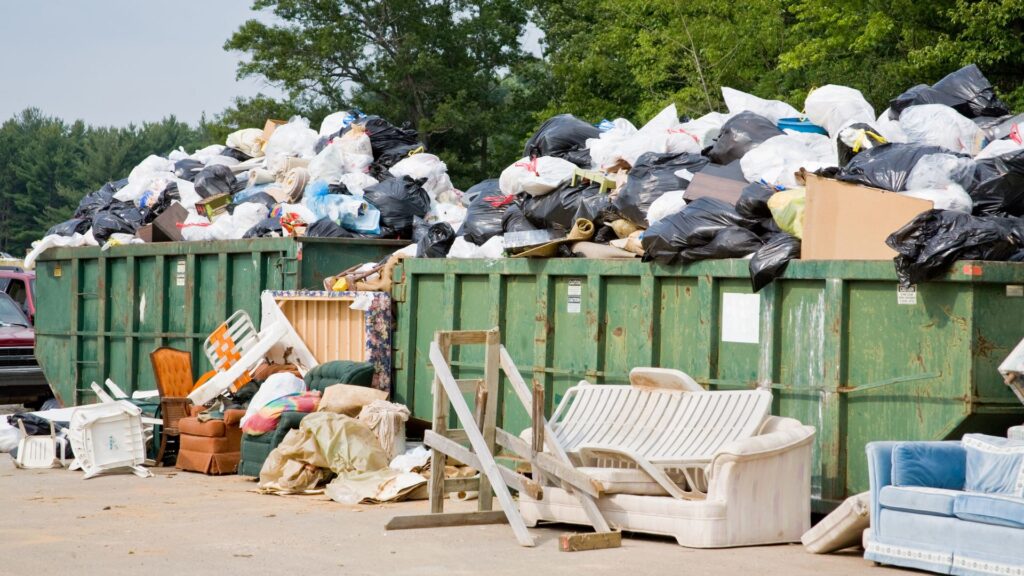
Temporary containers also provide a safety advantage by reducing cluttered and unsafe spaces. Overstuffed dumpsters can lead to tripping hazards or make it difficult for waste trucks to maneuver during pickups. By supplementing the main dumpster proactively, cleanup teams can maintain operational efficiency and safety. Communicating placement and usage guidelines to staff or tenants ensures that the additional containers are utilized effectively.
Scheduling Regular Pickups to Prevent Overflow
Consistent dumpster pickups are vital for preventing overflow. Delays in waste removal allow trash to accumulate beyond container limits, creating unsanitary conditions. Scheduling pickups based on waste production patterns ensures that dumpsters are emptied before reaching critical capacity. For businesses, coordinating with service providers to adjust pickup frequency during busy periods reduces risk and keeps operations running smoothly.
Adjusting pickup schedules to match real-world needs is a proactive measure. Monitoring waste trends helps determine whether weekly, biweekly, or even daily pickups are necessary. Communication with the waste removal service guarantees timely responses and prevents gaps that could lead to overflow. By pairing a consistent schedule with monitoring and contingency plans, property managers and business owners can maintain a controlled, safe, and organized disposal process that avoids the disruptions caused by overflowing dumpsters.
Proper Compaction and Placement Techniques
How waste is placed inside the dumpster directly affects capacity and prevents overflow. Compacting trash efficiently maximizes available space, allowing the container to hold more before reaching the limit. Avoiding loosely packed items or haphazard piling ensures stability and reduces spillage. Proper placement techniques also improve access for pickup trucks, allowing for quicker and safer removal. Training staff or tenants in these methods helps maintain order and prevents the inefficient use of space that leads to premature overflow.
Strategic placement contributes to safety by preventing top-heavy piles that might topple. Items should be layered thoughtfully, with heavier materials on the bottom and lighter items on top, ensuring balance. Certain bulky items may need disassembly to fit more effectively inside the container. Consistent compaction and placement practices reduce cleanup effort, mitigate hazards, and make the most of available dumpster capacity, ultimately supporting a smoother, safer, and more efficient waste management routine.
Implementing Safety Measures During Cleanup
Dumpster overflow cleanup can pose significant hazards, making safety measures essential. Workers should wear protective gear, including gloves and durable footwear, to reduce the risk of injury from sharp or heavy objects. Clear pathways and proper lighting minimize tripping or collision risks, especially in commercial areas. Establishing a protocol for handling hazardous or broken items ensures that cleanup does not lead to accidental exposure or contamination. Safety training and adherence to guidelines foster a secure working environment for all involved.
In addition, marking off overflow areas prevents unauthorized access and reduces liability. Proper signage communicates caution and directs proper disposal practices. Including emergency procedures for incidents like sharp object injuries or chemical spills further enhances safety. A comprehensive safety approach ensures that cleanup operations are not only effective but also responsible, protecting both the personnel performing the task and the surrounding community from potential hazards during dumpster overflow resolution.
Encouraging Responsible Disposal Habits
Educating staff, tenants, or community members about responsible disposal habits is crucial to preventing dumpster overflow. Clear guidelines about what can and cannot be placed in the dumpster reduce contamination and ensure optimal usage of space. Encouraging the breaking down of boxes, removal of non-acceptable items, and proper segregation of recyclables fosters a culture of accountability. When everyone understands their role in maintaining waste order, the risk of overflow decreases significantly.
Ongoing communication and reinforcement of disposal habits make a lasting impact. Signage, periodic reminders, and simple training sessions increase compliance and reduce the workload for cleanup crews. Responsible disposal behavior not only prevents overflow but also promotes environmental stewardship and community pride. Engaging everyone involved in proactive practices ensures a cleaner, safer, and more organized space, keeping dumpster areas functional and aesthetically acceptable for all users.
Handling Unexpected Overflow Situations
Despite careful planning, unexpected overflow can occur due to unanticipated waste surges. Quick response is critical to minimize disruption and safety risks. Temporary barriers, immediate removal of excess trash, or contacting additional service providers helps contain the situation. Efficient handling of these incidents reduces potential fines, pest attraction, and hazards caused by unsightly piles of waste. A structured response plan ensures that overflow does not escalate into a larger, more difficult problem.
Preparedness involves having contacts for emergency pickups and additional containers readily available. Staff should be trained to identify overflow early and take immediate action without waiting for scheduled pickups. Implementing a contingency plan minimizes chaos, maintains operational efficiency, and protects the surrounding environment. Swift, organized responses to unexpected overflow ensure that dumpster areas remain manageable, safe, and hygienic, even when unpredictable waste volumes challenge standard disposal routines.
Maintaining Eco-Friendly Practices During Cleanup
Eco-conscious cleanup practices reduce environmental impact while managing overflow effectively. Separating recyclables, donating usable items, and responsibly disposing of hazardous materials minimizes landfill contributions. Incorporating sustainable methods in waste management aligns with community standards and supports a cleaner ecosystem. Promoting environmentally responsible behavior among staff or tenants reinforces commitment to sustainability and encourages ongoing compliance. Sustainable practices also enhance the reputation of businesses or properties for maintaining green operations.
Eco-friendly measures during overflow cleanup involve proper disposal of electronics, metals, and other recyclables to prevent contamination. Partnering with recycling centers or donation programs ensures items are repurposed whenever possible. Avoiding unnecessary transportation or overuse of dumpsters further reduces carbon footprint. By integrating eco-conscious strategies into daily cleanup and overflow management, communities and businesses achieve both operational efficiency and environmental responsibility, proving that responsible waste handling can coexist with effective, practical solutions.
Conclusion
Properly managing dumpster overflow requires a combination of vigilance, strategic planning, and proactive cleanup measures. Recognizing signs of overflow early, sorting waste, and implementing effective placement and compaction techniques all contribute to a cleaner, safer environment. Regular pickups, additional containers during high-volume periods, and adherence to safety guidelines ensure that trash does not spiral into hazardous, unsightly piles. Encouraging responsible disposal habits and eco-friendly practices further enhances efficiency while protecting the environment.
For residents and businesses in South Lyon, MI, Bee Gone Junk Removal provides professional, reliable junk removal services designed to handle overflow situations seamlessly. Their team offers expert assistance with all types of waste, ensuring prompt, organized, and environmentally conscious removal. Contact Bee Gone Junk Removal at 734-355-9918 or via email at beegonejunkremoval@gmail.com to schedule service and maintain a clutter-free space with peace of mind. Their dedication ensures that junk removal is efficient, safe, and environmentally responsible for every client.