
When a commercial renovation project begins, the chaos of dust, debris, and discarded materials can feel overwhelming if junk removal is left to the last minute. By integrating a solid junk removal plan into the early stages of your project, you can prevent clutter from interfering with workflow and maintain a safer, more organized environment for employees and contractors. Early planning involves assessing the types of waste that will accumulate, from old furniture and construction debris to obsolete electronics, and determining how frequently removal should occur.
Implementing this strategy also allows you to research responsible disposal methods, such as recycling or donation opportunities, for items that can be diverted from landfills. Understanding the scope of your renovation’s waste stream ensures you allocate the proper resources and budget for junk removal. It also helps you identify whether specialized services are needed, such as the removal of hazardous materials or electronic waste.
Segregating Different Types of Waste
During renovations, not all junk is created equal, and handling it efficiently requires careful segregation. Separating materials based on their type—such as wood, metal, cardboard, electronics, and hazardous substances—simplifies the removal process and allows for more responsible disposal. Wood and metal, for instance, can often be recycled, while hazardous materials like old batteries or paints need specialized handling. Segregation reduces the risk of accidents caused by mixed waste and minimizes the time and cost associated with disposal.
Segregating junk also allows for better planning of removal frequency and container usage. By understanding the volume and type of waste generated daily or weekly, you can determine the size and number of bins or dumpsters needed. It becomes easier to schedule pickups without overfilling containers or creating blockages that slow down renovation progress. Employees are more inclined to participate in proper disposal when the system is clear and straightforward, which encourages collective responsibility for maintaining a clean site.
Timing Junk Removal to Match Renovation Phases
Coordinating junk removal with the various phases of a renovation project ensures that debris does not accumulate unnecessarily and hinder progress. Early-stage demolition may produce large quantities of wood, drywall, and metal, while later stages might generate packaging materials, leftover fixtures, and outdated furniture. Aligning junk removal schedules with these phases allows contractors to work efficiently without tripping over debris or maneuvering around cluttered spaces.
In addition, timing cleanouts properly allows for better coordination with hauling services or recycling centers. Some materials may require advance notice for proper disposal or recycling, and scheduling pickups in alignment with renovation phases ensures that items are collected when convenient and safe. By removing waste promptly, you also minimize potential health hazards such as dust accumulation, mold growth, or pest infestations.
Hiring Professional Junk Removal Services
Engaging professional junk removal services can dramatically simplify the process of clearing out debris during a commercial renovation. Experienced providers offer trained staff, specialized equipment, and logistical expertise to handle various types of waste efficiently. These professionals understand how to maneuver bulky or heavy items safely and can remove materials that may be hazardous if mishandled. By outsourcing this task, your renovation team can focus on construction and design work without being burdened by disposal responsibilities. Professionals often have access to recycling and disposal networks that ensure items are processed responsibly, reducing environmental impact.
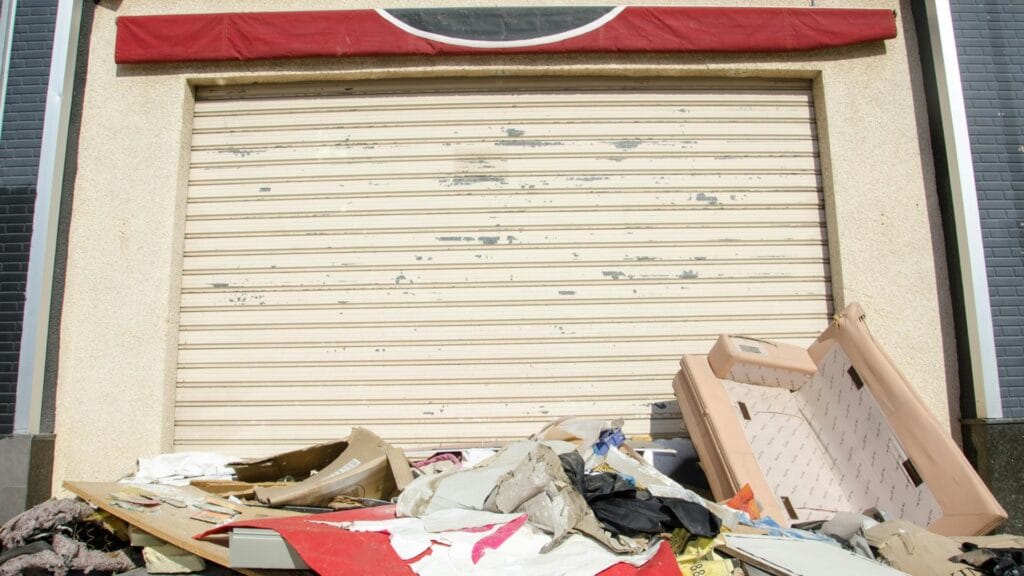
Professional services also provide flexibility in terms of scheduling and scope, accommodating projects of varying sizes. Whether your renovation produces small daily loads of debris or large, infrequent amounts of junk, experts can tailor their services to match your needs. They can also advise on the best methods for sorting and disposing of specialized materials such as electronics, appliances, or construction waste. This guidance reduces mistakes and ensures that disposal is handled in the most efficient and cost-effective manner possible.
Utilizing Temporary Storage Solutions
During renovations, temporary storage solutions such as dumpsters, bins, or portable containers play a critical role in managing commercial junk. These solutions provide a centralized location for debris, preventing clutter from spreading throughout the workspace. Having a designated collection point makes it easier for workers to deposit materials quickly and efficiently, reducing interruptions to their tasks. Depending on the size and scale of your renovation, multiple storage units can be deployed to handle different types of waste, further streamlining the removal process.
Temporary storage solutions also offer flexibility in handling unexpected volumes of waste. Renovation projects can produce more debris than initially anticipated, and having bins or containers readily available ensures that extra junk can be accommodated without disrupting the project. Containers can be strategically placed to optimize workflow and reduce the distance materials need to be carried, saving time and minimizing strain on workers. In addition, clearly labeled containers improve compliance with segregation protocols, making recycling and disposal easier.
Recycling and Donating Salvageable Items
Renovation projects often produce items that, while no longer needed for the current commercial space, can be recycled or donated. Identifying materials that can be diverted from landfills helps reduce environmental impact and may benefit local charities or other businesses. Items such as furniture, electronics, office supplies, and building materials can often be repurposed with minimal effort. Recycling programs accept metals, plastics, and cardboard, while donation centers may welcome gently used items.
Recycling and donation also provide practical benefits for the renovation workflow. Removing valuable or reusable items early prevents them from being accidentally damaged or discarded with general waste. It also helps reduce clutter and free up space for construction work. Engaging employees in identifying potential donation items can foster a sense of teamwork and shared responsibility. By prioritizing recycling and donation, you reinforce a culture of environmental consciousness while maintaining a clean, organized workspace.
Ensuring Safety During Junk Removal
Safety should be a primary consideration during commercial junk removal, especially amidst the disruptions of renovation. Large, heavy, or sharp objects can pose significant hazards, and accumulated debris increases the risk of slips, trips, and falls. Implementing clear pathways and safe disposal practices is essential for protecting both workers and visitors. Personal protective equipment such as gloves, steel-toed boots, and safety goggles should be standard during cleanouts. Additionally, proper lifting techniques and the use of tools like dollies or hoists reduce the risk of injury.
Safety protocols also extend to handling hazardous materials, such as chemicals, paints, or old electronics. Items containing toxic substances should be separated and managed according to local regulations, and workers should be trained to recognize potential dangers. Clear signage and communication ensure that all team members are aware of ongoing junk removal operations and avoid high-risk areas.
Coordinating with Contractors and Staff
Effective junk removal during renovations requires coordination between contractors, employees, and any third-party services involved. Establishing clear communication channels ensures that everyone knows the schedule, locations for debris collection, and protocols for handling waste. Collaboration minimizes misunderstandings and reduces the likelihood of materials being left in inappropriate areas or removed prematurely.
Coordination also allows for adjustments when renovation schedules shift or unexpected waste appears. If contractors finish a section earlier than anticipated, junk removal can be accelerated in that area to maintain space for subsequent work. Conversely, delays in construction can prompt temporary storage adjustments to accommodate debris longer than expected. Effective collaboration ensures that all parties are on the same page, reducing confusion and inefficiencies.
Maintaining Compliance with Local Regulations
Commercial renovations often produce waste that falls under specific disposal regulations, from hazardous materials to electronic devices. Staying informed about local guidelines ensures that junk removal is legally compliant and avoids fines or penalties. Some municipalities require special permits for disposing of certain items or mandate recycling of metals and electronics. Familiarity with these requirements helps plan removal schedules, choose appropriate disposal methods, and educate staff on proper handling.
Compliance also impacts contractor and staff training, as everyone involved must understand how to manage regulated materials safely. Proper documentation of disposal practices, such as receipts from recycling centers or certificates of destruction for electronics, provides accountability and record-keeping that may be required for audits or inspections. Additionally, adhering to regulations reduces the environmental footprint of your renovation, contributing to sustainable business practices.
Leveraging Technology for Efficient Removal
Modern technology can optimize commercial junk removal during renovations, making the process faster, safer, and more organized. Digital tools, scheduling apps, and inventory tracking software help monitor debris accumulation, coordinate pickups, and maintain records of disposed materials. Some platforms allow you to map removal routes within the site, designate specific disposal areas, and track the volume and type of junk removed. Using technology reduces human error, streamlines communication with removal services, and ensures that nothing is overlooked.
Technology can also enhance collaboration among contractors, employees, and removal services. Real-time updates on waste levels, notifications for scheduled pickups, and digital checklists help keep all parties informed. Advanced tools even offer predictive analytics, estimating the volume of junk generated based on project progress and helping plan container sizes and collection frequency. This proactive approach saves time, reduces costs, and ensures the workspace remains safe and navigable.
Conclusion
Managing commercial junk removal during renovations requires careful planning, strategic execution, and ongoing oversight to maintain a clean, safe, and efficient workspace. By incorporating early planning, proper waste segregation, timely removal aligned with renovation phases, and professional services, businesses can streamline the process and reduce disruptions. Temporary storage solutions, recycling initiatives, and adherence to safety protocols further enhance the efficiency of cleanouts, ensuring that both employees and contractors can work effectively.
For businesses looking to simplify their renovation process, Bee Gone Junk Removal in South Lyon, MI offers expert junk removal services designed to handle any project scale. Their team provides efficient, safe, and environmentally responsible disposal solutions, ensuring a seamless integration with your renovation schedule. For assistance or to schedule a service, call 734-355-9918 or email beegonejunkremoval@gmail.com. With professional support, your renovation can proceed smoothly, free from the distractions and hazards of accumulated debris, making the workspace cleaner, safer, and more productive.