
Before diving into a warehouse cleanout, take a comprehensive tour of the facility. Visualizing the full layout and noting high-traffic areas, cluttered zones, and underutilized spaces will give you a clearer understanding of the task ahead. Walking through with a notebook or digital device to map out where items are stored, where obstacles exist, and what can be removed is essential. This preparatory stage sets the foundation for an organized approach and prevents wasted effort on areas that do not need immediate attention.
Once the assessment is complete, categorize your observations into actionable steps. Determine which items are outdated, broken, or redundant. Identify storage solutions that can be improved or reorganized. This phase also includes evaluating safety concerns like blocked exits or heavy items placed improperly. By assessing the space before moving anything, you avoid the chaos of uncoordinated clearing.
Create a Clear Plan of Action
Developing a detailed plan is crucial to streamline warehouse cleanouts. Start by establishing goals such as reducing clutter, improving safety, or optimizing storage. Breaking the cleanout into zones or sections allows teams to tackle one area at a time, preventing the sense of being overwhelmed. Assigning tasks based on staff strengths and available resources ensures efficiency. Include timelines for each section to maintain momentum and avoid prolonged disruption of warehouse operations.
A plan also accounts for waste management. Determine which items will be recycled, donated, resold, or sent to junk removal services. Having a structured approach to disposal prevents piles of discarded materials from creating new problems. Incorporate contingency measures for unexpected discoveries such as hazardous materials or damaged equipment. A thorough, step-by-step plan allows the warehouse team to work cohesively, reduces downtime, and ensures that every item is addressed appropriately, making the overall cleanout more systematic and productive.
Sort Items into Manageable Categories
Sorting is a cornerstone of efficient warehouse cleanouts. Begin by designating categories such as keep, donate, recycle, or dispose. This step not only organizes the warehouse but also creates a clear roadmap for action. Grouping similar items together helps identify duplicates or obsolete inventory that no longer serves operational needs. Sorting should be done with consistency, labeling boxes or areas clearly to avoid confusion.
Consider additional subcategories for items with specific handling requirements. Fragile or hazardous materials need careful attention to avoid damage or injury, while electronics or appliances may be directed toward specialized recycling or junk removal. Create temporary staging areas to separate these items safely until they are ready for proper disposal. Sorting items meticulously not only streamlines the immediate cleanout but also establishes a template for future organization, fostering ongoing warehouse efficiency and reducing clutter accumulation over time.
Optimize Workflow and Accessibility
Improving workflow and accessibility is essential during a warehouse cleanout. Arrange aisles and storage units so that commonly used items are easy to reach, while less frequently needed inventory is stored in higher or more remote locations. Ensuring that pathways remain clear and equipment like forklifts or pallet jacks can move freely prevents bottlenecks and accidents. This layout redesign enhances day-to-day operations while making the cleanout process itself more straightforward.
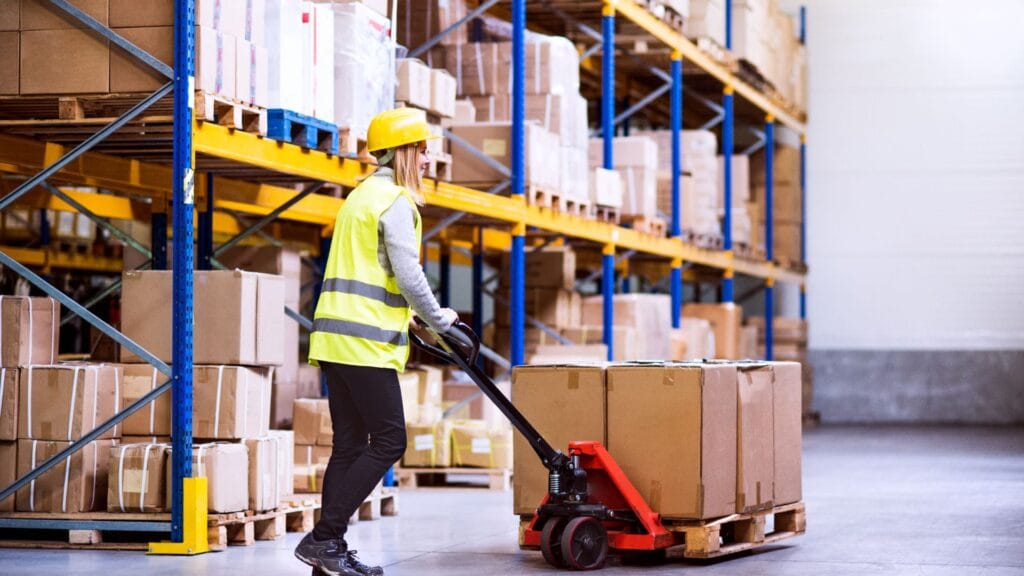
Beyond physical layout, consider implementing labeling systems for shelves, bins, and sections. Clearly marked signage and intuitive placement allow staff to locate and return items quickly, decreasing the likelihood of clutter reappearing. Evaluate vertical space for potential storage expansion, such as using pallet racks or shelving to maximize efficiency without encroaching on walking areas. Optimizing workflow and accessibility transforms a chaotic warehouse into an organized, navigable space where operations run smoother, and subsequent cleanouts become easier to manage.
Implement Safety Protocols
Safety is paramount during warehouse cleanouts. Start by ensuring that all staff have the necessary protective gear such as gloves, safety glasses, and steel-toed shoes. Identify hazards like unstable shelving, sharp objects, or heavy machinery, and address them before moving large volumes of materials. Establish clear communication channels so team members can signal emergencies or unsafe conditions. A focus on safety prevents accidents that could halt operations and ensures that every part of the cleanout proceeds efficiently without injury.
In addition to protective equipment, consider creating safety zones around heavy or high-risk items. Secure equipment and machinery to prevent tipping or falling. Maintain proper lighting to avoid accidents, particularly in corners or storage areas with low visibility. Safety protocols should be regularly reviewed and updated based on warehouse conditions and the nature of materials being handled. By prioritizing safety, teams can work more confidently and systematically, reducing downtime and making the entire cleanout process faster and less stressful.
Utilize Professional Junk Removal Services
Professional junk removal services can dramatically improve the efficiency of a warehouse cleanout. Specialized teams have the experience, equipment, and vehicles to quickly remove large or cumbersome items that might otherwise slow down your workflow. Outsourcing disposal allows your internal team to focus on organizing and optimizing the space rather than struggling with heavy lifting or complex logistics. This not only speeds up the process but ensures that items are disposed of responsibly and in compliance with local regulations.
Engaging a junk removal service also reduces the risk of damage to equipment and facilities. Professionals know how to handle bulky or delicate items safely, protecting your warehouse assets. They can manage recycling, donation, or disposal streams effectively, preventing clutter from reappearing. By integrating junk removal into the cleanout plan, warehouses gain a dual benefit of efficiency and environmental responsibility, streamlining the transition from chaos to a well-organized, operationally sound environment.
Maximize Vertical and Hidden Storage
Optimizing underutilized vertical and hidden storage spaces can make a significant difference in warehouse efficiency. Shelving units, lofted platforms, or mezzanines create additional storage without expanding the physical footprint. Using vertical space effectively allows bulkier items to be stored safely above ground, freeing floor space for everyday operations. Hidden spaces such as corners, under staircases, or behind equipment can be fitted with organized bins or racks, making use of every available inch.
Incorporating vertical storage solutions also improves inventory visibility. Items are easier to track and retrieve when they have designated spaces that are accessible but out of the way. Using stackable containers or modular shelving ensures flexibility for future needs and accommodates seasonal or irregular stock. This approach not only improves the immediate cleanout but establishes long-term operational efficiency. Maximizing vertical and hidden storage transforms cluttered, underused areas into functional assets that enhance overall warehouse productivity.
Implement Inventory Management Practices
Inventory management plays a crucial role in maintaining warehouse efficiency. During a cleanout, updating records to reflect actual stock levels helps prevent overstocking or misplaced items. Use digital tools or software to track inventory locations, quantities, and conditions. Proper record-keeping ensures that once the cleanout is complete, the warehouse remains organized and efficient. Clear inventory data also aids in planning future purchases and identifying slow-moving items that may need disposal or sale, keeping the warehouse lean and functional.
A clean warehouse combined with accurate inventory practices reduces time wasted searching for items and prevents unnecessary duplication of stock. Regular audits and periodic cleanouts integrated with inventory updates maintain order and prevent clutter accumulation. Incorporate barcoding, labeling, or QR code systems to streamline tracking and retrieval. Effective inventory management turns the warehouse into a predictable, manageable environment where resources are optimized, space is maximized, and overall operational efficiency is significantly improved.
Schedule Regular Maintenance Cleanouts
Routine maintenance cleanouts prevent clutter from reaccumulating and keep warehouse operations smooth. Establishing a schedule ensures that areas are consistently reviewed, unnecessary items are removed, and storage systems remain functional. Smaller, frequent cleanouts are often more manageable than waiting for large-scale purges. This proactive approach minimizes disruption to daily operations while promoting an organized and efficient workspace. Regular attention also helps identify emerging issues such as structural problems, broken equipment, or inefficient layouts before they escalate.
Maintenance cleanouts should include reviewing safety measures, reorganizing shelves, and updating inventory records. Encourage staff participation to maintain accountability and ensure that all areas are inspected. Tracking progress over time allows teams to measure improvements and refine procedures for maximum efficiency. By embedding cleanouts into routine operational practices, warehouses benefit from a consistently orderly environment, reduced stress, and enhanced productivity, making day-to-day operations smoother and more predictable.
Leverage Technology for Streamlined Operations
Technology can significantly enhance warehouse cleanout efficiency. Using inventory management software, barcode scanners, and mobile devices allows for real-time tracking of items and locations. These tools reduce human error and streamline the sorting process during cleanouts. Digital mapping of storage areas enables teams to plan layouts more effectively, identify underutilized space, and improve accessibility. By integrating technology into the cleanout process, warehouses become more agile, organized, and capable of responding quickly to operational demands.
Additionally, technology aids in communication and project management. Teams can share updates, assign tasks, and monitor progress through apps or cloud platforms, reducing confusion and increasing coordination. Automated alerts or reporting systems can flag overdue tasks, hazardous areas, or stock discrepancies. Leveraging technology ensures that cleanouts are not only faster but also smarter, providing insights for continuous improvement and maintaining efficiency long after the initial cleanout is complete.
Conclusion
A well-executed warehouse cleanout can transform operational efficiency and foster a safer, more organized environment. By assessing the space, creating a strategic plan, sorting items thoughtfully, optimizing workflow, and implementing safety measures, businesses set the stage for a productive and streamlined facility. Integrating professional junk removal services allows teams to handle large or unwieldy items efficiently, freeing staff to focus on organization and operational improvements.
For those seeking expert support with warehouse junk removal, Bee Gone Junk Removal in South Lyon, MI, offers reliable, professional services that handle large-scale cleanouts efficiently. Their team ensures safe disposal of items, maximizes space utilization, and works quickly to minimize disruption to daily operations. Businesses can contact Bee Gone Junk Removal at 734-355-9918 or via email at beegonejunkremoval@gmail.com for personalized junk removal solutions. Utilizing their expertise ensures your warehouse remains organized, productive, and prepared for future operational demands.