
A warehouse may be designed for storage, but over time it often turns into a maze of forgotten items, unused equipment, and materials no one really needs. When this happens, it can become harder to access what actually matters, and valuable square footage ends up wasted. A warehouse cleanout is more than simply tidying up; it is a strategic way to reclaim space, restore order, and improve overall efficiency.
Instead of allowing disorder to control how your space functions, a proper cleanout transforms the entire environment into a place of productivity. With more room, the layout becomes flexible and easier to manage. Workers spend less time searching for supplies, safety hazards are reduced, and operations flow more smoothly. When a warehouse feels lighter and more organized, it unlocks its true potential.
The Role of Cleanouts in Creating Usable Space
Warehouse cleanouts play a critical role in shaping how efficiently storage space is used. Over months or years, items tend to pile up—obsolete machinery, outdated supplies, or broken furniture often remain untouched in hidden corners. This clutter slowly steals valuable square footage that could otherwise be devoted to active operations or properly stored materials. A cleanout reverses this process, stripping away what is unnecessary and making space available again.
When the floor is cleared and aisles are organized, workers can move freely without constant obstacles. Shelves that were once buried under forgotten items suddenly become functional again. The process is not just about removing junk; it also sparks a reevaluation of how space is managed moving forward. By discarding what no longer serves the business, warehouses can redesign their layout for efficiency, ensuring the freed space is maximized. With everything streamlined, productivity grows and the building operates closer to its true capacity.
Improving Workflow with Better Organization
An unorganized warehouse can lead to frustrating delays and lost productivity. When tools, equipment, or supplies are scattered among piles of unused materials, workers waste valuable time searching for what they need. A thorough cleanout transforms that environment by reducing the clutter and establishing clear organizational systems. The simple act of creating open pathways and clearly defined storage zones makes every task smoother. Employees no longer have to dodge obstacles or sift through stacks of irrelevant items.
Cleanouts also encourage better labeling, shelving, and storage methods. Once the excess is removed, businesses can adopt systems that prioritize quick access and logical placement of inventory. This refined organization helps operations move in a consistent rhythm. Instead of running into confusion, staff can anticipate where everything belongs, which minimizes mistakes and reduces downtime. Over time, the efficiency gained through a cleanout has a lasting impact. It gives the warehouse a structure that keeps processes on track and keeps productivity at its peak.
Enhancing Safety through a Cleaner Environment
Safety in a warehouse is just as important as efficiency, and clutter directly affects it. Old equipment piled in walkways or boxes stacked haphazardly increase the risk of accidents. Workers can trip, forklifts may have limited maneuvering space, and blocked exits can create serious hazards. A cleanout directly addresses these problems by removing unnecessary obstacles and opening up safe, clear paths throughout the building.
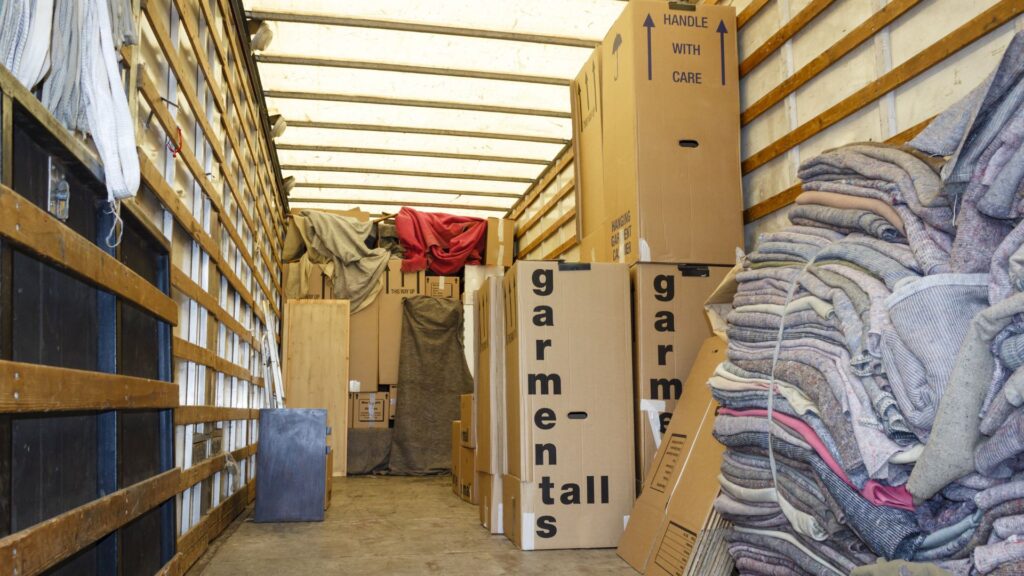
When the warehouse is cleared, safety protocols are easier to implement. Properly spaced aisles reduce collision risks, while well-organized shelving prevents items from falling. Fire hazards also decrease, as flammable materials or piles of debris no longer accumulate in neglected areas. In addition, the sense of order promotes a culture where employees naturally adopt safer habits. They see a clean environment and are encouraged to maintain it, ensuring hazards are kept under control. A warehouse that prioritizes safety through cleanouts becomes not only more efficient but also more secure for everyone inside.
Maximizing Storage Capacity without Expansion
Many warehouse owners assume the only solution to limited space is expansion. However, expansion is costly and time-consuming. Often, the real problem lies not in lack of space but in how the existing space is being used. A cleanout reveals this hidden capacity by removing what is no longer useful and reorganizing what remains. This process often creates more usable storage without any construction or added expenses.
Once the clutter is gone, shelving units can be rearranged to maximize vertical height. Clear labeling helps streamline placement, and inventory rotation becomes easier to manage. The newfound space makes it possible to store more items effectively, reducing the need for off-site storage or additional facilities. Cleanouts often reveal that the warehouse was capable of handling more than expected all along—it simply needed a reset. This realization can save significant costs and help businesses maximize every inch of their property without investing in expansion.
Boosting Efficiency in Daily Operations
Efficiency in a warehouse relies heavily on how easily staff can access and handle materials. When clutter piles up, even simple tasks like retrieving inventory become time-consuming. A cleanout resolves this by ensuring that everything is organized in logical locations. Employees spend less time searching, which directly translates to quicker workflows and reduced frustration.
With more open space, machinery such as forklifts or pallet jacks can move with greater ease. This reduces congestion and speeds up the pace of loading, unloading, and transporting goods. Efficiency also extends beyond physical movement. A cleaner space helps supervisors track inventory more accurately and makes it easier to spot when supplies are running low. The ripple effect is clear—cleanouts create an environment where everything functions more smoothly. Instead of constant bottlenecks, operations gain a rhythm that saves time, energy, and resources every single day.
The Psychological Impact of a Clean Warehouse
A clean environment does more than organize materials; it influences how people feel while working. A cluttered warehouse can create stress, frustration, and even a sense of chaos among employees. When workers are surrounded by piles of unused items, it becomes difficult to stay motivated. A cleanout changes that atmosphere by creating a space that feels open, structured, and purposeful.
Psychologically, employees working in a well-organized warehouse tend to feel more focused and confident. They no longer waste energy navigating through clutter or second-guessing where items belong. Instead, they engage in their tasks with clarity, which boosts overall morale. A clean space also signals that management values order and safety, which fosters respect and accountability. Over time, the positive environment created by cleanouts can improve job satisfaction, reduce turnover, and even increase productivity. The physical impact of removing junk directly translates into healthier workplace attitudes.
Reducing Hidden Costs from Clutter
Clutter in a warehouse is not just a visual problem; it has real financial consequences. Unused equipment and materials occupy space that could otherwise store valuable inventory. Misplaced items lead to unnecessary purchases when staff cannot find what they already have. In some cases, clutter can even damage valuable goods by exposing them to improper storage conditions. A cleanout prevents these hidden costs by clearing away what drains resources.
Once clutter is removed, the warehouse becomes easier to manage, and duplicate purchases decrease. Maintenance costs also drop because equipment is stored properly rather than left to deteriorate under piles of debris. Insurance risks are reduced, as clean warehouses pose fewer hazards and demonstrate better compliance with safety standards. By addressing these financial leaks, a cleanout provides savings that extend far beyond its immediate impact. Businesses discover that removing excess is not just practical; it is an investment that protects their bottom line.
Strengthening Inventory Control
Effective inventory control depends on accuracy and visibility. When a warehouse is crowded with unused or misplaced items, it becomes nearly impossible to track what is truly available. This confusion leads to overstocking, understocking, and errors that affect customer satisfaction. A cleanout strengthens inventory control by removing unnecessary obstacles and establishing a clearer system.
With more open space, staff can implement better categorization and labeling methods. Items are easier to count, organize, and rotate, which helps maintain accurate records. This improved control reduces errors in order fulfillment and minimizes waste from expired or overlooked stock. By resetting the environment through a cleanout, businesses gain a clearer picture of their inventory flow. The result is a system that supports efficiency, reliability, and better decision-making. A warehouse that undergoes regular cleanouts ultimately runs more smoothly and supports consistent supply chain operations.
Creating Room for Future Growth
Every warehouse must adapt to changing demands over time. As businesses grow, so does the need for more storage and better organization. If a warehouse is already packed with clutter, growth becomes difficult to manage. A cleanout creates the necessary breathing room for future expansion, whether it involves increased inventory, new equipment, or improved layouts.
By clearing unused items, businesses open opportunities to redesign storage systems with scalability in mind. Shelving can be restructured, pathways widened, and new organizational tools introduced. This forward-thinking approach ensures the warehouse can handle greater capacity when needed, without the pressure of last-minute adjustments. A cleanout is not only about the present; it sets the stage for long-term success. Businesses that take time to prepare their space today are better equipped to meet tomorrow’s demands with confidence and flexibility.
Conclusion
A warehouse cleanout is not just a project—it is a strategic step toward efficiency, safety, and growth. By clearing away clutter and reorganizing storage, businesses reveal space they never realized they had. This shift reduces costs, enhances workflow, and sets the stage for smoother operations. Instead of viewing cleanouts as occasional chores, they should be embraced as essential practices that sustain productivity and open doors for future expansion.
For those seeking reliable help, Bee Gone Junk Removal in South Lyon MI provides professional junk removal services designed to restore order and maximize warehouse potential. With a dedicated team and a focus on efficiency, they ensure each project is handled with care and precision. Reach out today at 734-355-9918 or send an email to beegonejunkremoval@gmail.com to schedule assistance. A cleaner warehouse means more storage, safer operations, and a stronger foundation for growth.