
Commercial spaces are busy hubs where productivity thrives, yet waste often piles up faster than anyone expects. From outdated office furniture to packaging materials and daily trash, every business faces the challenge of keeping operations running smoothly while handling unwanted clutter responsibly. Tossing everything into a dumpster may seem easy, but without proper planning, disposal can quickly become costly and harmful to the environment.
Smart companies are learning that organizing waste solutions not only keeps their work areas efficient but also ensures compliance with environmental standards. Waste management, when handled effectively, saves time, reduces hazards, and even supports sustainability goals. Thinking creatively about commercial disposal isn’t just about clearing out debris—it’s about setting up systems that benefit staff, customers, and the planet.
Understanding the Scope of Commercial Waste
Commercial waste covers more ground than many realize. Offices generate stacks of paper, cafeterias churn out food scraps, warehouses accumulate wooden pallets, and retail shops discard piles of packaging materials. Every business has its unique waste profile, and ignoring those differences can lead to inefficient handling. Recognizing the types of waste created allows owners and managers to decide whether materials should be recycled, reused, or safely disposed of. Once the categories are clear, building an organized plan becomes far less overwhelming.
Beyond the everyday clutter, businesses often deal with large-scale items like old equipment or broken furniture. These aren’t just inconvenient—they can take up valuable space that should be used for operations. Understanding the scope of commercial waste means recognizing both the big and small contributors that quietly pile up. By acknowledging the variety, companies can create systems that streamline disposal, reduce costs, and keep the environment healthier.
Why Proper Waste Disposal Matters
Treating commercial waste disposal as an afterthought can lead to big problems. Overflowing bins not only make a business look unprofessional but can also pose health risks for employees and customers. Food waste attracts pests, broken materials create safety hazards, and improper disposal can even bring hefty fines if regulations are ignored. A poorly managed disposal process ends up costing more in the long run, both financially and environmentally.
When waste is handled properly, the benefits go beyond cleanliness. Recycling reduces pressure on landfills, while thoughtful sorting ensures hazardous materials don’t slip into the wrong stream. Businesses that prioritize responsible disposal also signal to clients and staff that they value health, safety, and sustainability. These small daily decisions add up, creating a stronger reputation while protecting the environment. Proper waste management isn’t just housekeeping—it’s a business strategy that pays off in efficiency and trust.
Building a Waste Disposal Plan for Your Business
A structured plan can transform waste management from a constant hassle into a predictable routine. The first step is to analyze what kind of waste your business generates most often. For an office, it might be paper and outdated electronics. For restaurants, the focus could be food scraps and packaging. Once identified, managers can schedule removal services and place appropriate bins in convenient locations.
Consistency is the key. Without a plan, waste piles up haphazardly, leading to rushed decisions that are often inefficient. A strong disposal plan sets clear expectations for employees while ensuring materials are disposed of responsibly. It can also highlight opportunities to recycle or repurpose items that might otherwise go to waste. By treating waste disposal as an organized process instead of a last-minute chore, businesses reduce clutter, improve workflow, and keep compliance headaches to a minimum.
Recycling Opportunities in Commercial Settings
Commercial spaces often overlook recycling opportunities that could dramatically reduce waste. Offices generate massive amounts of paper and cardboard, while retailers toss out piles of plastic wrapping and hangers. Restaurants frequently throw away aluminum cans and glass bottles that could be recycled. When these materials are sorted and sent to the right facilities, businesses minimize landfill contributions and even cut disposal costs.
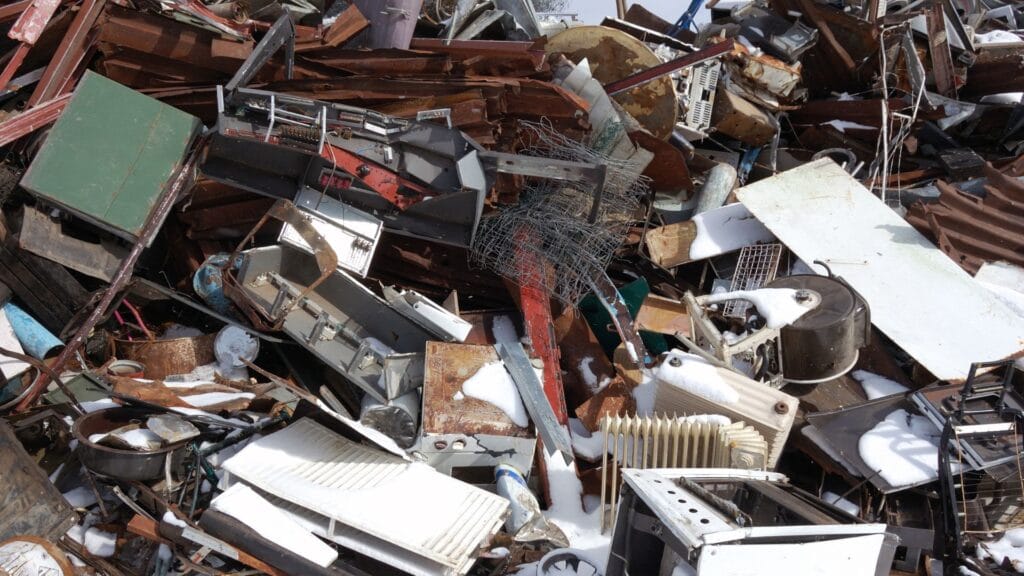
Recycling also provides a chance to show commitment to sustainability. Clients and customers notice when businesses put effort into eco-friendly practices. By setting up clear bins for different materials and educating employees on what goes where, recycling becomes second nature. It’s not about perfection—it’s about progress. Even small efforts, like recycling printer cartridges or old electronics, contribute to a healthier environment.
Handling Hazardous Commercial Waste
Hazardous materials demand extra caution. Businesses in industries like construction, healthcare, or manufacturing often generate items that can’t simply be tossed into regular dumpsters. Batteries, chemicals, medical waste, or certain cleaning products require specialized handling to prevent harm to people and the environment. Failing to dispose of these items correctly can lead to legal consequences and environmental damage.
Proper training and awareness are essential. Employees should know which materials qualify as hazardous and understand the safe methods for containment and removal. Partnering with professional services ensures hazardous waste is managed according to regulations, giving peace of mind to managers and staff. By taking hazards seriously, businesses not only avoid fines but also demonstrate responsibility toward the community. Careful handling of dangerous waste isn’t just compliance—it’s a commitment to safety and long-term sustainability.
Reducing Waste at the Source
The most effective way to handle commercial waste is to prevent it from piling up in the first place. Businesses that evaluate their purchasing habits often find opportunities to cut down on unnecessary packaging or choose products with reusable features. Simple changes, like switching to digital invoices instead of paper or encouraging bulk orders to reduce packaging, can significantly minimize waste.
Employees play an important role in reduction efforts. Encouraging a culture of mindfulness, where staff reuse office supplies or bring reusable containers, creates noticeable results over time. Reducing waste at the source not only lessens disposal needs but also lowers costs on supplies and removal services. It’s a forward-thinking approach that benefits both the environment and the bottom line. When businesses choose prevention over reaction, they keep workspaces cleaner and more efficient while promoting eco-friendly practices.
The Role of Professional Waste Removal Services
Managing waste on your own may seem manageable at first, but the workload grows quickly. Professional waste removal services bring expertise, equipment, and consistency that save businesses valuable time. They know how to sort, transport, and dispose of materials according to regulations, removing the guesswork that often frustrates managers. This level of efficiency allows staff to focus on their actual work instead of waste-related tasks.
Professional services also provide flexible solutions tailored to business needs. Whether scheduling routine pickups or handling a one-time cleanout, they adapt to the size and type of waste generated. Their involvement ensures businesses avoid fines, reduce clutter, and maintain a professional image. By outsourcing to specialists, companies gain a partner in keeping operations smooth and compliant, allowing them to concentrate on growth instead of garbage.
Cost Efficiency Through Organized Waste Disposal
Some businesses worry that structured waste management adds unnecessary expense, but in reality, the opposite is often true. Disorganized disposal can lead to higher costs through overfilled dumpsters, last-minute hauling, or fines for improper handling. By organizing disposal routines, businesses gain control over waste-related spending and prevent surprise costs from piling up.
Efficient disposal also saves money through recycling and reduced storage needs. Reclaimed materials, like metals or electronics, can sometimes offset costs, while decluttered spaces free up room for productive use. Businesses that schedule regular services avoid emergency cleanouts, which are often more expensive. A proactive approach to waste management is not only eco-friendly but also financially sound. By treating disposal as an organized system, businesses protect both their budgets and their reputations.
Creating a Culture of Responsibility in the Workplace
Waste management works best when everyone participates. Creating a culture of responsibility requires more than bins—it requires consistent communication. When employees understand the importance of proper disposal, they’re more likely to take part. Businesses can encourage involvement through training sessions, visual reminders, or even creative campaigns that make recycling and disposal more engaging.
This shared responsibility fosters pride and teamwork. When staff feel they’re contributing to a cleaner, safer workplace, morale improves. Customers also notice when businesses prioritize responsible practices, strengthening trust and reputation. A culture of responsibility transforms waste management from a burden into a shared achievement. By making sustainability part of daily operations, companies set themselves apart as forward-thinking and community-oriented, inspiring employees and customers alike.
Adapting to Changing Regulations and Standards
Commercial waste disposal isn’t static—it evolves as laws and environmental standards shift. What was acceptable a decade ago might now bring penalties if ignored. Businesses that stay updated with local regulations avoid fines and demonstrate commitment to responsible practices. Understanding these changes helps companies adapt their systems before problems arise.
Adaptation also highlights a business’s flexibility. Customers and clients appreciate when companies align with modern sustainability goals, showing they’re attentive and responsible. Partnering with professionals ensures compliance since they stay informed on the latest requirements. By adapting to new standards, businesses remain not only compliant but also competitive, showing they can evolve with changing times. Waste management, when responsive to regulations, becomes a source of stability rather than stress.
Conclusion
Commercial waste disposal is more than simply getting rid of trash—it’s about building systems that support efficiency, safety, and sustainability. Businesses that recognize the range of waste they produce and put thoughtful strategies in place gain cleaner work environments, lower risks, and stronger reputations. From recycling opportunities to handling hazardous items, every choice made in waste management carries ripple effects across the workplace and the community.
For businesses ready to take waste removal seriously, support is always available. Bee Gone Junk Removal in South Lyon, MI offers reliable junk removal services designed to keep commercial spaces clean and compliant. Their team can be reached at 734-355-9918 or through beegonejunkremoval@gmail.com for assistance with customized waste solutions. Partnering with experts ensures smoother operations and peace of mind, allowing businesses to focus on growth while leaving clutter behind. With thoughtful planning and professional help, waste disposal becomes an asset instead of an obstacle.