
Disposing of outdated or unused commercial appliances is not as simple as moving them out the door. These bulky items often contain materials that require careful handling and recycling. From old refrigerators humming in the back room to dishwashers or ovens that no longer meet efficiency standards, businesses face the challenge of figuring out how to clear space responsibly.
Simply leaving them for regular trash collection is rarely an option. Instead, safe removal and disposal help free up valuable square footage, reduce environmental risks, and keep operations running smoothly. With the right approach, companies can avoid unnecessary headaches while ensuring their equipment is dealt with in a way that benefits both the workplace and the planet.
Challenges of Disposing Commercial Appliances
Unused commercial appliances often bring more complications than expected. These items are heavy, awkward, and built to last, which makes them harder to move compared to household models. In addition, many appliances contain components like refrigerants, oils, or metals that must be separated before disposal. Simply tossing them aside could cause harm to the environment and violate local regulations. Businesses that underestimate these challenges often end up with cluttered storage spaces or risk fines for improper handling.
When approaching disposal, businesses must also consider logistics. Moving oversized appliances through tight hallways or loading them safely into transport vehicles takes skill and equipment. Beyond the physical demands, there are rules about recycling certain materials and preventing hazardous leaks. Each detail makes disposal more than just a clean-up task.
Why Proper Disposal Protects the Environment
Commercial appliances, especially refrigerators, freezers, and air conditioning units, often contain substances that can be harmful if not handled with care. Refrigerants and oils may leak into soil and water if left unattended. Metals and plastics, though recyclable, require proper sorting before they can be reused effectively. Dumping these machines irresponsibly means adding toxic waste to landfills that already struggle to handle the growing volume of discarded equipment.
Proper disposal takes the extra step of preserving the environment while also reclaiming materials that still have value. Recycling centers often dismantle appliances, salvaging metals, wires, and plastics for reuse in new products. By choosing responsible methods, businesses play a role in reducing the demand for raw materials while preventing contamination. This approach not only helps keep communities cleaner but also supports sustainability goals many companies now prioritize.
Creating More Space by Removing Old Appliances
Every unused appliance sitting in storage takes up space that could be put to better use. An outdated commercial refrigerator might occupy the same area where new equipment could be installed, or where additional workspace could be created. Businesses often hold on to these items longer than necessary, thinking they might serve a purpose later. However, unused appliances quickly become obstacles that make daily operations more difficult.
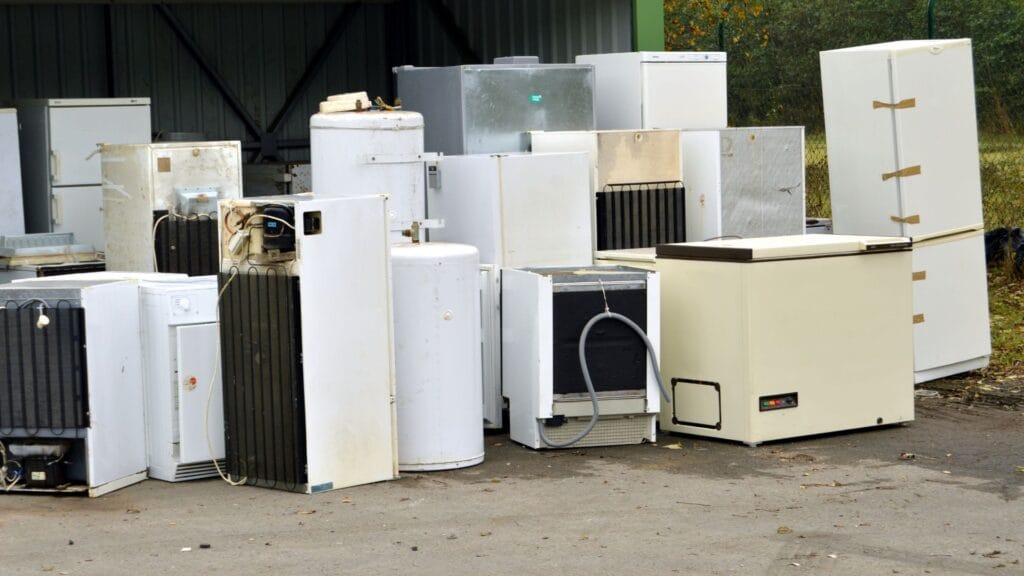
Removing them clears pathways, frees up storage areas, and improves efficiency in the workplace. Whether it is a restaurant, office break room, or warehouse, more usable space often translates into smoother operations. The absence of bulky appliances allows businesses to reorganize layouts, improve workflow, and reduce the cluttered feeling that slows productivity.
The Role of Recycling in Appliance Disposal
Recycling plays a vital role in managing unused commercial appliances responsibly. These machines are not just waste; they are made of steel, aluminum, copper, and plastics that can be reprocessed into new products. Recycling ensures that valuable materials are put back into circulation instead of wasted in landfills. This process also reduces the need for mining raw resources, which helps cut down on environmental damage associated with resource extraction.
In addition, recycling supports local industries and creates opportunities for businesses to demonstrate environmental responsibility. By partnering with the right recycling services, companies can ensure that every usable part of an appliance is separated and repurposed correctly. From wires to compressors, nearly every component can find a second life. Choosing recycling over disposal means businesses contribute to a circular economy while maintaining compliance with disposal laws.
Safe Handling of Hazardous Components
Many commercial appliances contain hazardous elements that require expert handling. For example, refrigeration units rely on coolants and refrigerants that can harm the ozone layer if released. Similarly, older appliances may contain oils, mercury switches, or other materials considered dangerous if mishandled. These components cannot simply be discarded with ordinary waste. They require careful extraction and treatment through specialized disposal methods.
When businesses ignore these risks, the consequences can extend beyond fines or penalties. Hazardous leaks can pose health dangers to employees and customers alike. Responsible disposal ensures that harmful materials are neutralized or recycled safely before they have the chance to cause damage. By relying on safe handling practices, companies reduce liabilities and reinforce their commitment to protecting both people and the environment.
How Appliance Disposal Supports Business Image
A business that prioritizes proper appliance disposal demonstrates responsibility beyond its immediate operations. Customers and employees alike notice when companies choose environmentally safe and efficient methods. Proper disposal sends a message that the business values sustainability and follows best practices, which can enhance reputation in competitive industries. In today’s market, being environmentally conscious is often viewed as a strength.
On the other hand, neglecting unused appliances or discarding them improperly risks damaging a company’s credibility. A cluttered property filled with old equipment conveys a lack of organization, while irresponsible disposal can create negative impressions. Taking the right approach to clearing out appliances not only keeps facilities clean but also strengthens the overall image of a business. This perception can improve trust with partners, clients, and the community, showing that responsibility is embedded in the company’s values.
Donation as an Alternative Disposal Method
Not every unused commercial appliance is destined for recycling or dismantling. In many cases, appliances that are still functional can be donated to organizations in need. Schools, shelters, community centers, or small businesses may benefit from equipment that no longer fits the needs of a larger operation. Donating extends the useful life of appliances while helping communities access resources they might not otherwise afford.
For businesses, donation provides a practical solution that combines responsibility with generosity. Instead of allowing appliances to gather dust in storage, companies can redirect them to organizations where they will be appreciated. This act also reduces waste, prevents unnecessary landfill contributions, and builds goodwill within the community. While not every appliance will qualify for donation, those that do can serve as meaningful contributions, proving that disposal does not always mean destruction. Donation becomes an alternative that benefits both giver and receiver.
Reducing Liability Through Proper Appliance Disposal
Keeping unused appliances on-site exposes businesses to potential risks. Large equipment left in storage can create safety hazards, such as blocked pathways, unstable stacks, or heavy items that could injure employees. In addition, failing to dispose of appliances containing hazardous materials may lead to regulatory violations, lawsuits, or costly fines. Liability becomes a serious concern when appliances are not handled responsibly.
By prioritizing proper disposal, businesses protect themselves from these risks. Removal of bulky or dangerous equipment eliminates safety threats while ensuring compliance with local and federal guidelines. This proactive approach reduces the chance of workplace accidents and shows that the company takes its responsibilities seriously. In many industries, safety and compliance directly affect profitability, making proper disposal a smart investment. Reducing liability is not just about avoiding trouble; it is about creating a secure environment where operations can continue without unnecessary complications.
Professional Help for Commercial Appliance Disposal
While some businesses attempt to handle disposal on their own, the process is often too complex to manage without assistance. Professional services bring the right tools, trucks, and expertise to remove large appliances safely. They also know how to handle hazardous components, navigate disposal regulations, and ensure that recyclables reach the appropriate facilities. This level of support saves businesses time, effort, and potential mistakes.
Hiring professionals also reduces the stress that comes with figuring out where appliances should go. Instead of guessing about recycling centers or local restrictions, businesses can rely on specialists who manage every step of the process. Professional assistance turns disposal into a seamless task rather than a frustrating challenge. By choosing expert help, companies can focus on their primary operations while knowing their unused appliances are being removed with precision and care.
Planning Ahead for Future Appliance Disposal
Disposal becomes easier when businesses plan ahead rather than waiting until storage areas are overflowing. Setting a clear strategy for when and how to remove outdated appliances can prevent unnecessary clutter. By monitoring the lifespan of commercial equipment, companies can schedule disposal at convenient times instead of scrambling when breakdowns occur. Planning also allows businesses to align disposal with upgrades or renovations, minimizing disruptions.
A forward-thinking approach also helps businesses stay compliant with regulations and avoid last-minute costs. With a disposal plan in place, companies can build relationships with recycling centers or professional removal services before the need becomes urgent. This proactive strategy streamlines operations and ensures unused appliances are never left forgotten in the corner of a warehouse. Planning ahead transforms disposal into an organized process that benefits both daily workflow and long-term business efficiency.
Conclusion
Disposing of unused commercial appliances is more than clearing out space; it is about responsibility, safety, and environmental care. Businesses that take disposal seriously not only reduce clutter but also protect their reputation and the planet. From recycling to donation, safe handling of hazardous materials to professional assistance, the best strategies ensure appliances are managed thoughtfully and effectively. By making the effort, companies avoid risks while improving efficiency in their workplaces.
For reliable junk removal solutions, Bee Gone Junk Removal in South Lyon MI provides the support businesses need. Whether it is a refrigerator, oven, or industrial equipment, their team understands how to handle appliances responsibly. Contact them at 734-355-9918 or send an email to beegonejunkremoval@gmail.com to arrange assistance. Clearing out unused appliances becomes a smoother, safer, and environmentally conscious process with the right help.