
Relocating an office can feel like balancing on a tightrope while juggling multiple responsibilities at once. Beyond coordinating logistics, managing employees, and ensuring a smooth transition into a new space, the task of handling a full office cleanout looms large. Piles of outdated equipment, unused furniture, and accumulated clutter often take up more space than you realize, and leaving them behind is rarely an option.
An organized cleanout doesn’t just free up physical space; it streamlines the entire relocation process and prevents unnecessary stress. By addressing what stays, what goes, and how to responsibly dispose of or recycle materials, businesses position themselves for a seamless move. With the right strategy, what seems like an overwhelming hurdle becomes an opportunity to reset, declutter, and start fresh in a new environment.
Planning Ahead for a Smooth Office Cleanout
Preparation is the backbone of any successful office cleanout, especially when relocation is involved. Without proper planning, small tasks can snowball into major setbacks. Begin by mapping out a timeline that allows enough breathing room for sorting, hauling, and unforeseen delays. The earlier you start, the less likely you are to find yourself overwhelmed when a moving day arrives. Creating checklists of essential items and categorizing them into keep, donate, recycle, or dispose piles can help simplify the process and eliminate last-minute chaos.
Communication also plays a critical role during this phase. Employees should be informed of expectations, deadlines, and their responsibilities regarding personal or departmental spaces. Delegating tasks strategically prevents bottlenecks and ensures no area is overlooked. Instead of rushing through the cleanout, a structured plan promotes efficiency and order.
Identifying Items That No Longer Serve a Purpose
Every office accumulates items that outlive their usefulness—whether it’s furniture, outdated computers, or stacks of obsolete paperwork. During a relocation, it’s the perfect time to evaluate what truly supports business operations and what only takes up valuable space. Start by examining each item objectively. Ask whether it contributes to productivity, aligns with the company’s goals, or is simply collecting dust.
Once non-essential items are identified, categorize them based on disposal methods. Furniture in good condition may be donated to local organizations, while electronics should be recycled responsibly to prevent environmental harm. Paper clutter can often be shredded and recycled. Approaching the process with clear criteria makes decisions easier and ensures the new office is free from unnecessary baggage.
Coordinating with Employees During the Transition
Relocating an office isn’t a one-person job—it requires the cooperation of the entire team. Employees should be active participants in the cleanout process, taking responsibility for their work areas and contributing to shared spaces. Encouraging each staff member to declutter their desk, files, and supplies ensures that personal belongings don’t add to the moving load. A cleanout becomes far more efficient when everyone plays their part.
Beyond physical responsibilities, employee input can help determine what equipment or furniture is still needed. Involving the team fosters a sense of ownership and prevents miscommunication. Setting aside time for group discussions or department-specific planning meetings can address concerns and provide clarity. When employees are engaged, the transition feels less disruptive and more collaborative.
Sorting and Labeling for Efficiency
A well-executed office cleanout hinges on effective sorting and labeling. Without it, items can get misplaced, lost, or mistakenly discarded. Start by setting up designated zones for different categories such as furniture, electronics, documents, and office supplies. Once everything is separated, clearly label boxes and containers to indicate their contents and final destination. This step not only streamlines the moving process but also prevents confusion once you arrive at the new location.
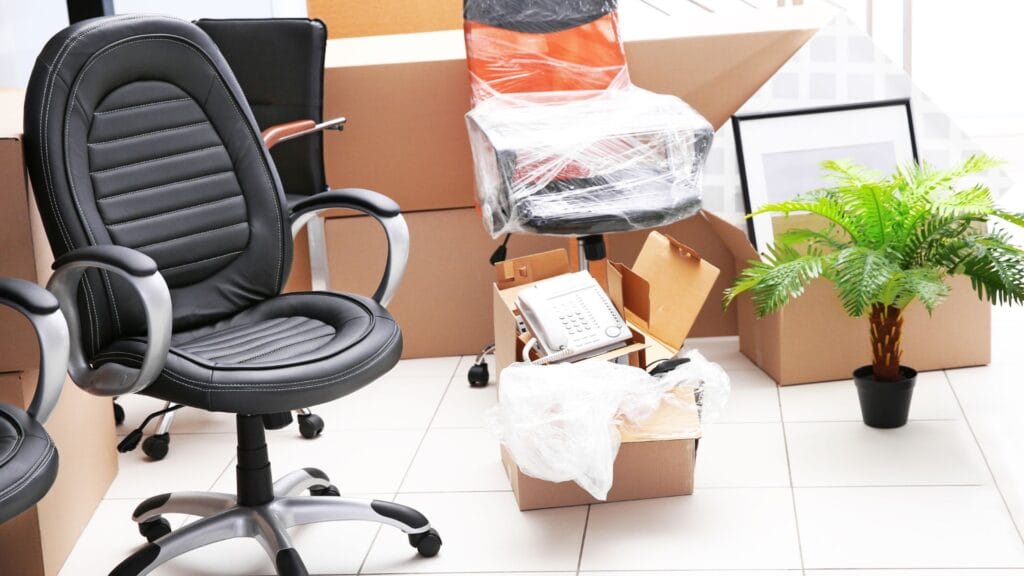
Color-coded labeling systems can add another layer of clarity, especially when multiple departments are involved. For example, one color might represent items destined for the new office, while another could indicate donations or recycling. Consistent labeling ensures that movers and staff can quickly identify what belongs where. Taking time to establish this structure saves countless hours during relocation and guarantees that the effort put into the cleanout translates into an organized move.
Handling Electronics and Sensitive Materials
Electronic equipment and confidential documents require special attention during an office cleanout. Computers, printers, and other devices often contain sensitive data that should never be discarded carelessly. Before recycling or donating electronics, ensure hard drives are wiped clean or destroyed to safeguard information. Partnering with certified e-waste recycling services can provide peace of mind while also ensuring compliance with environmental regulations.
For paper records, shredding is a reliable method of disposal. Not only does it protect confidential information, but it also allows for recycling in a responsible manner. In some cases, businesses may be legally obligated to retain certain files, so reviewing retention policies is critical before discarding anything. Addressing these details early avoids legal complications and maintains professional integrity. A thoughtful approach to sensitive materials ensures that the cleanout supports both efficiency and responsibility.
Coordinating Donations and Recycling Efforts
An office cleanout offers more than just an opportunity to discard unwanted items—it also creates a chance to give back to the community and support sustainability. Furniture, office supplies, and equipment in good condition can be donated to schools, charities, or community centers. Not only does this reduce waste, but it also allows businesses to make a positive impact while relocating.
Recycling should also be a central focus. Electronics, paper products, and plastics can often be processed responsibly instead of ending up in landfills. Establishing partnerships with local recycling facilities ensures that materials are disposed of in compliance with environmental guidelines. By coordinating donations and recycling, businesses turn a daunting task into a purposeful project. This mindset makes relocation more meaningful and demonstrates a commitment to both community and environmental stewardship.
Working with Professional Cleanout Services
While employees can handle some aspects of decluttering, larger projects often require professional support. Full-service cleanout providers bring expertise, equipment, and manpower to tackle everything from hauling heavy furniture to responsibly disposing of e-waste. Their experience in organizing and executing large-scale projects minimizes stress and ensures nothing is overlooked.
Hiring professionals can also save valuable time. Instead of diverting employee focus from core business operations, trained crews handle the physical labor and logistics. They understand how to navigate challenges such as bulky items, hazardous waste, or tight deadlines. With their assistance, the entire relocation process becomes more manageable, allowing businesses to focus on settling into the new workspace. Investing in professional services is not just about convenience; it’s about ensuring the move is completed safely, efficiently, and responsibly.
Managing Large Furniture and Equipment Removal
One of the biggest hurdles in an office cleanout is dealing with oversized furniture and heavy equipment. Desks, filing cabinets, and conference tables often require disassembly before they can be transported. Attempting to move these items without proper preparation can lead to damage, safety hazards, or wasted time. Planning ahead is key—determine which pieces can be dismantled and whether specialized tools or dollies are needed.
For equipment, consider whether it’s worth transporting or if replacement at the new office is more practical. Sometimes, older machines are more costly to move than to replace. Partnering with removal specialists can help streamline this process, as they have the skills and tools to handle bulky items efficiently. Proper management of furniture and equipment prevents delays and ensures that the cleanout progresses without unnecessary complications.
Reducing Downtime During the Cleanout Process
One of the greatest concerns during an office cleanout is minimizing downtime. Every hour spent managing clutter or hauling items is an hour lost from regular business operations. To reduce disruption, schedule the cleanout in stages rather than attempting to handle everything at once. This allows essential operations to continue while non-essential areas are cleared first.
Strategic scheduling, such as handling the bulk of the work after office hours or on weekends, can also help. Additionally, outsourcing to professional cleanout services accelerates the process and reduces the burden on employees. Clear communication with staff about timelines and expectations ensures everyone remains on the same page. By prioritizing efficiency and planning carefully, businesses can relocate without sacrificing productivity. A structured approach allows the company to remain focused on growth while still managing a significant transition.
Ensuring a Fresh Start in the New Office
An office relocation isn’t just about moving from one space to another—it’s about creating a fresh start. A thorough cleanout sets the stage for an organized and productive environment in the new location. By leaving behind clutter and unnecessary items, the new workspace becomes a place of focus, efficiency, and renewed energy. Employees are more likely to feel motivated when entering a space that is free from the baggage of the past.
This fresh start also provides an opportunity to implement new organizational systems. Updated storage solutions, ergonomic furniture, and modern equipment can transform how the office functions day-to-day. The transition becomes more than a physical move—it becomes a symbolic reset for the entire business. With thoughtful preparation and execution, the new office environment can enhance workflow, boost morale, and reflect the company’s vision for the future.
Conclusion
Successfully handling a full office cleanout before relocation requires more than simply tossing unwanted items into a dumpster. It involves careful planning, sorting, responsible disposal, and often professional assistance to manage the workload. When businesses take the time to prepare, involve employees, and prioritize efficiency, the process becomes smoother and less disruptive. Each step, from identifying what to keep to donating usable furniture, contributes to a relocation that feels purposeful and organized.
For companies ready to simplify the challenges of office relocation, Bee Gone Junk Removal offers dependable support. Located in South Lyon MI, the team provides efficient junk removal services designed to handle projects of any scale. With their help, offices can declutter responsibly and prepare for a seamless transition into a new space. To learn more or schedule assistance, contact them at 734-355-9918 or email beegonejunkremoval@gmail.com. A smoother move begins with a cleaner start.