
A Simple Guide to Yard Waste Disposal
When people think of yard waste, the first image that comes to mind is usually a pile of grass clippings or scattered leaves across the driveway. In reality, yard waste comes in many forms, each requiring a slightly different approach for disposal. You might be dealing with fallen branches after a summer storm, old mulch that has lost its color, or a garden bed overflowing with weeds that keep coming back. Even natural debris like pine needles, hedge trimmings, or soil displaced during landscaping projects can add up faster than expected.
The interesting thing about yard waste is how it reflects the rhythm of the seasons. Spring often means fresh cuttings and pulled weeds, while fall brings an avalanche of leaves that never seem to end. Understanding these categories helps you decide whether something can be composted, repurposed, or should be hauled away entirely. By separating yard debris into types, you avoid letting it accumulate in an overwhelming pile, making disposal easier, safer, and better for the environment.
Why Proper Yard Waste Disposal Matters
Many homeowners overlook the importance of handling yard debris correctly, assuming that piling it behind the shed or burning it will solve the problem. But improper disposal can create a ripple effect that impacts your lawn, local wildlife, and even community safety. Yard waste left unattended becomes a breeding ground for pests, molds, and other issues that compromise the health of outdoor spaces. On top of that, rotting vegetation often releases unpleasant odors and can become a fire hazard during dry months.
There is also the environmental angle to consider. Tossing everything into one pile for landfill disposal may be convenient, but it ignores the potential for recycling and composting. Local ordinances sometimes have strict rules about yard debris management, meaning improper disposal could lead to fines or penalties. Choosing to handle waste responsibly reduces strain on landfills and contributes to a cleaner neighborhood. When you take the time to dispose of yard waste the right way, you’re not just clearing space but actively participating in healthier and more sustainable living.
The Role of Seasonal Cleanups in Yard Waste Disposal
Every season brings its own outdoor challenges, and ignoring them can quickly lead to cluttered yards. In the spring, melted snow often reveals broken branches, leftover leaves, and debris blown in from winter storms. It’s tempting to let it sit until later, but tackling it right away makes it easier to prepare flower beds and lawns for fresh growth. Removing these remnants also prevents insects from finding a comfortable hiding place before the warmer months arrive.
During summer and fall, the story shifts toward grass clippings, trimmed shrubs, and the seemingly endless wave of fallen leaves. Seasonal cleanups aren’t only about visual appeal; they directly impact the health of your landscape. Too much organic buildup blocks sunlight, encourages fungal growth, and suffocates lawns. By planning cleanups around the natural cycles of each season, homeowners avoid overwhelming piles that feel impossible to manage. Keeping up with these tasks also means less stress when the next big yard project comes along, making seasonal cleanups a crucial step in the bigger picture of waste disposal.
Eco Friendly Options for Handling Yard Waste
One of the most rewarding parts of yard waste disposal is discovering how much of it can be reused in environmentally friendly ways. Composting, for instance, transforms what might look like useless scraps into nutrient rich soil that boosts garden growth. Grass clippings and leaves can break down into organic matter that enriches the earth instead of taking up landfill space. Mulching is another option, where chopped debris is used as a protective layer to keep soil moist and regulate temperature around plants.
Not everything can be composted, of course. Large branches or invasive weeds require different handling, but even those can be chipped into useful wood mulch. Some communities offer drop off sites where organic yard waste is turned into community compost, ensuring nothing goes to waste. By choosing eco friendly options, you reduce carbon footprint and give something back to the soil. What feels like a chore becomes an opportunity to practice sustainable living while still maintaining a tidy outdoor space. The process may require extra effort, but the environmental benefits last much longer.
Safe Removal of Large Yard Debris
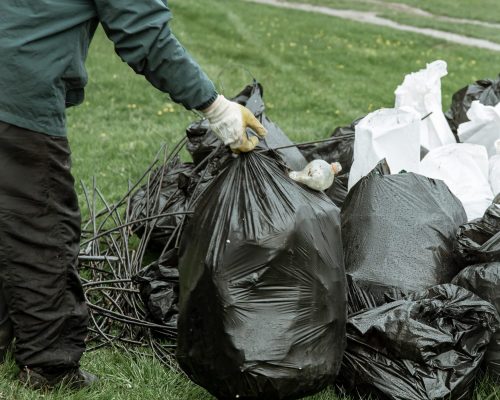
While bagging leaves or bundling small sticks is manageable, larger debris like tree trunks or heavy branches requires careful planning. These items are not only awkward to carry but also potentially dangerous if mishandled. Without the right tools or safety precautions, a simple cleanup job can turn into an injury. This is why understanding the scale of your yard waste matters before deciding how to approach removal.
The best solution for oversized debris is often professional help, especially if chainsaws, trucks, or heavy lifting are involved. Large materials may also require specific disposal sites that differ from everyday trash collection. Some municipalities allow curbside pickup for bulky organic materials, but others enforce strict regulations. Safe removal means avoiding shortcuts and respecting the risks involved with handling heavy or sharp debris. By treating large waste carefully, homeowners protect both themselves and their property while ensuring everything ends up in the proper disposal stream.
Composting Yard Waste at Home
Composting may sound intimidating at first, but it’s one of the simplest ways to handle yard waste while improving garden health. The key is balancing green materials like grass clippings with brown ones like dried leaves. This mixture creates the right conditions for decomposition, producing a nutrient rich compost pile over time. With a little patience, your waste turns into a powerful soil conditioner that promotes strong plant growth.
Starting a compost system doesn’t require fancy equipment either. Many people use simple bins or even designate a corner of their yard for the pile. Regularly turning the compost and monitoring moisture levels speeds up the process, preventing unpleasant odors. Composting does more than cut down on waste volume; it closes the natural cycle by giving organic material a second purpose. For homeowners who enjoy gardening, it’s one of the most satisfying approaches to yard waste disposal. It transforms clutter into a resource that directly benefits your outdoor space.
Curbside Yard Waste Collection Services
Municipalities often provide convenient yard waste collection, but it’s important to know exactly how the system works in your area. Some towns require biodegradable bags, while others prefer bins marked specifically for organic waste. Pickup schedules may vary by season, so staying informed avoids the frustration of missing a collection day. These services save time and effort, especially when handling piles of leaves or weekly grass clippings.
However, not all debris is accepted through curbside programs. Larger branches, tree trunks, or mixed soil often require alternative disposal methods. It’s wise to check local guidelines before leaving waste at the curb. The benefit of these programs is that much of the material collected gets recycled into mulch or compost by the city, reducing the environmental impact. For homeowners, it means less physical work while still ensuring their yard remains clean and compliant with community standards. Curbside collection is a practical option that blends convenience with responsible disposal.
Creative Ways to Repurpose Yard Waste
Not all yard waste has to leave your property. In fact, with some creativity, many items can be repurposed into functional or decorative elements for your outdoor space. Fallen branches can be trimmed and used for garden edging, while leaves can serve as natural insulation for flower beds during colder months. Even grass clippings have value when applied as a thin mulch layer to retain soil moisture.
Some homeowners turn yard debris into compost tea, a liquid fertilizer created from soaking organic matter. Others use chipped branches for pathways, giving a rustic look to their gardens while putting waste to use. Repurposing may take more time than simple disposal, but it adds character and sustainability to your property. It’s a reminder that waste doesn’t always have to be thrown away. With a little imagination, what once looked like clutter becomes an asset, adding beauty and function to your outdoor landscape.
The Challenges of Yard Waste Disposal in Urban Areas
Homeowners living in densely populated neighborhoods often face unique difficulties when it comes to yard waste. Limited space makes it harder to store debris until collection day, and smaller yards mean even modest amounts of clippings can feel overwhelming. On top of that, some urban areas have stricter regulations about disposal methods, limiting the options for burning, composting, or piling debris.
The challenge isn’t just physical space but also community expectations. Nobody wants to see a neighbor’s front yard buried under bags of leaves or logs waiting for removal. In these cases, efficiency becomes crucial. Coordinating with municipal services, scheduling pickups promptly, or finding local drop off points helps prevent buildup. For those living in cities, proper planning ensures that even limited outdoor space remains pleasant and functional.
Conclusion
Yard waste may seem like a never ending cycle of cutting, bagging, and hauling, but approaching it with a plan makes the work far more manageable. From composting at home to taking advantage of curbside pickup, every option has its place depending on the type of debris and the resources available. Each season brings different challenges, yet with the right strategies, the process becomes less about stress and more about creating a healthy, organized outdoor space. Even in urban areas where space is limited, creativity and consistency make disposal much easier.
For those who want the process handled quickly and responsibly, professional help is often the best solution. If you live in South Lyon, MI, you can count on Bee Gone Junk Removal for reliable junk removal services that cover everything from yard debris to larger cleanup projects. Reach out today at 734-355-9918 or email beegonejunkremoval@gmail.com to make your yard waste worries a thing of the past.