
How to Handle Bulky Items During Your Junk Removal
When it comes to bulky items, the process starts long before you begin lifting or hauling anything out the door. Oversized couches, refrigerators, and even worn-out exercise equipment require more than just strength. They call for preparation. Before tackling these items, measure doorways, hallways, and stairwells to ensure there is a clear path. This simple step prevents frustrating moments where something gets stuck mid-move. Having a strategy in place makes the process far smoother.
Bulky junk removal often feels overwhelming because the pieces dominate both space and effort. Thinking ahead allows you to anticipate challenges and avoid unnecessary stress. A clear plan also helps you decide whether disassembly is needed. Sometimes removing doors or breaking items down into smaller sections can make all the difference. With foresight, you minimize risks and conserve energy. Planning may not sound exciting, but it is the backbone of successful junk removal, especially when oversized and unwieldy pieces are involved.
Safely Lifting and Moving Oversized Objects
Lifting heavy objects incorrectly can turn a junk removal project into a painful ordeal. Strain on your back, shoulders, or knees is common when proper techniques are ignored. Always lift with your legs, keeping your back straight and shoulders aligned. This reduces pressure on sensitive areas of the body. For particularly heavy items, two people should always be involved. Coordinated lifting helps prevent injury and ensures stability during the move.
Tools like lifting straps or dollies are not just convenient, they are lifesavers. They reduce the amount of force you need to apply, making oversized objects easier to guide through tight corners. Take breaks when needed and never rush the process. Safety should always outweigh speed. Protecting yourself is just as important as clearing space in your home. When handled properly, even the most challenging items can be removed without harm to you or your property.
Disassembling Furniture Before Removal
Large furniture pieces are rarely manageable in one piece. Sectionals, wardrobes, or heavy entertainment centers often prove too unwieldy to move intact. Disassembling furniture before removal makes the task easier and safer. By separating these items into smaller components, you lessen both weight and awkwardness. Screws, bolts, and hinges should be kept in labeled bags if you plan to reuse or donate the piece.
Breaking down furniture also helps reduce damage to walls and flooring during the process. Attempting to maneuver oversized pieces through narrow doorways risks leaving dents or scratches behind. A simple removal of legs, doors, or shelves can prevent unnecessary repair costs later. The effort invested in disassembly pays off in smoother transport and cleaner results. While it may feel time-consuming, the payoff is a far more manageable junk removal experience that spares both effort and frustration.
Choosing the Right Tools for Bulky Items
The right tools can make an oversized job feel much more manageable. Heavy-duty dollies, sliders, and lifting straps transform the way you handle bulky junk removal. Instead of straining muscles, you allow equipment to take on the weight. This not only saves energy but also protects you from potential injury. Investing in the right gear is a smart decision if you frequently deal with large household items.
In addition to moving equipment, protective gloves and sturdy footwear are essential. Gloves provide a secure grip and protect your hands from splinters or sharp edges. Solid footwear shields your feet in case of accidents. The goal is to move bulky objects with confidence, not hesitation. Having the right equipment nearby before you begin ensures a smoother process from start to finish. With proper preparation, tools serve as the silent helpers that make difficult work manageable.
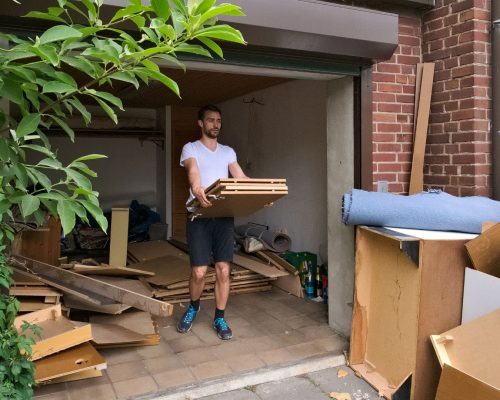
Protecting Your Property During Junk Removal
Bulky items often scrape walls, scratch floors, and bump into door frames during removal. Taking steps to protect your property beforehand prevents costly damage. Laying down protective coverings such as cardboard sheets or blankets shields floors from dents and marks. Doorway protectors or simple towels draped over edges reduce the risk of chipped paint or broken trim. These small measures can save hours of repair work later.
Preparation also extends to the path leading outside. Clear the way of obstacles like rugs, clutter, or fragile items. The fewer hazards in the way, the easier it becomes to guide oversized objects out safely. Thinking of property protection as part of the process is not about being overly cautious, it is about being practical. Bulky junk removal should end with your home looking better, not worse, than when you started.
Deciding What to Donate or Recycle
Not every bulky item has to head straight for disposal. Many pieces can be donated, repurposed, or recycled depending on their condition. A gently used couch or sturdy dining table might find new life in another home. Appliances, even if outdated, can sometimes be refurbished for continued use. Before deciding to discard everything, evaluate which items still hold value.
Recycling is also an environmentally friendly option. Metals, plastics, and wood components can often be salvaged rather than sent to landfills. Some local recycling centers accept large furniture or appliances, helping reduce waste. The decision to donate or recycle benefits both your community and the planet. It transforms junk removal into an opportunity for sustainable action. Handling bulky items with this mindset turns an overwhelming chore into a chance to make a positive impact beyond your own household.
Working with Tight Spaces and Narrow Exits
Navigating bulky items through small spaces requires patience and creative problem-solving. It is rarely a straightforward process. Angling furniture, tilting appliances, or temporarily removing doors can help make exits possible. Sometimes what seems impossible becomes manageable with small adjustments. The key lies in staying calm and avoiding rushed movements that could cause damage.
For multi-level homes, staircases present another challenge. Carrying large items up or down requires teamwork and careful coordination. Using straps or specialized harnesses adds stability and makes the task safer. Never attempt to force an oversized object through a space that clearly does not fit. Instead, reassess and find alternative ways to maneuver. With the right mindset, even the most stubborn pieces can be guided through tight spaces successfully.
Timing Your Bulky Item Removal
The time of day or season can influence how smooth your junk removal project becomes. Attempting to move heavy furniture in the heat of summer or during icy winter conditions adds unnecessary complications. Choosing mild weather when possible ensures comfort and safety. Additionally, working earlier in the day provides better energy levels, making it easier to tackle strenuous tasks.
Timing also affects disposal options. Local facilities may have set schedules for receiving large items, so coordinating with those hours prevents wasted trips. Planning your bulky junk removal around these factors saves both time and stress. With thoughtful timing, the process becomes less about rushing and more about efficiency. Approaching the task at the right moment transforms what could be overwhelming into something much more manageable.
Getting Help from Others When Needed
Bulky junk removal is rarely a one-person job. Large objects require multiple hands to move safely and efficiently. Enlisting friends or family members helps balance weight and reduces risks. The extra support also makes maneuvering through tight spaces easier. Teamwork turns what might feel like an impossible task into something achievable.
It is important, however, to coordinate clearly with helpers. Communication about lifting techniques, directions, and timing prevents accidents. Everyone should know their role before the heavy lifting begins. While it may feel tempting to take on the project alone, the potential for injury is far greater. Sharing the workload is not just about making it easier, it is about making it safer. The right help ensures oversized items are removed without unnecessary strain.
When to Call in Professional Assistance
There are times when bulky junk removal exceeds what you can safely manage on your own. Extremely heavy items, hazardous materials, or pieces requiring specialized equipment may call for professional intervention. Experienced teams have the tools and training to handle these situations without risk. Knowing when to step back and seek assistance is a sign of responsibility, not weakness.
Hiring professionals also saves time. What could take you hours or even days may be handled efficiently in a fraction of that time. Professionals not only remove items quickly but also ensure proper disposal, recycling, or donation when appropriate. Their expertise transforms a daunting process into a seamless experience. Sometimes the smartest move is recognizing that help is needed and letting those with the right skills handle it.
Conclusion
Bulky junk removal often seems like an uphill battle, yet with planning, the right tools, and a thoughtful approach, it becomes much less intimidating. Every oversized item, whether it is furniture, appliances, or construction debris, can be managed safely when you combine preparation with practical strategies. Protecting yourself and your property, while considering eco-friendly disposal methods, ensures the process is effective and responsible.
For those times when the task feels beyond your reach, turning to trusted professionals can make all the difference. If you are in South Lyon, MI, Bee Gone Junk Removal offers dependable junk removal services to help you reclaim your space with ease. Call 734-355-9918 or email beegonejunkremoval@gmail.com to schedule assistance with bulky items and more. With the right help, clearing your home of oversized clutter becomes a task you can handle confidently and safely.