
How to Clear Out a Home After an Estate Sale
Once the estate sale ends, the house often feels strangely quiet, filled with pieces that no one selected. These leftover items can range from old furniture to half-used cleaning products in the pantry. Beginning the clearing process means walking room by room with patience, identifying what still has value and what no longer serves a purpose. A systematic approach prevents feeling overwhelmed, especially when emotions run high during such transitions. Items with sentimental value may need to be set aside temporarily, allowing decisions to come with clarity rather than haste.
When everything is spread across tables and corners, the key is to categorize quickly yet thoughtfully. Furniture that is sturdy can be considered for donation, while broken or dated pieces can be prepared for junk removal. Household items, even if small, should be grouped by type to make sorting manageable. The process becomes less intimidating when viewed as a series of smaller tasks rather than one daunting project.
Deciding What Should Be Donated
Not every unsold piece needs to be discarded. Some items carry value that might brighten someone else’s life. Charitable organizations often accept gently used furniture, clothing, and household goods, making the donation route an important step in clearing a home after an estate sale. It also eases the weight of letting go because knowing something will serve another family can transform the process into an act of generosity rather than loss.
However, deciding what to donate requires thought. Worn-out mattresses or damaged chairs might not be accepted, so separating usable from unusable is essential. When evaluating each item, consider its condition and usefulness to someone starting fresh. A sturdy dining table can help a young family, while functional kitchenware can assist a student setting up an apartment. Through donation, the home not only empties but also extends its history outward, giving once-loved possessions a new chapter beyond the walls they once filled.
Recycling Items That Cannot Be Resold
After the estate sale, plenty of items remain that hold little monetary value yet should not end up in a landfill. Recycling offers a practical path, ensuring materials like metal, glass, or electronics are redirected into new uses rather than wasted. Sorting recyclables might feel tedious at first, but once the flow begins, the process becomes surprisingly efficient. Old appliances, for instance, often contain parts worth reclaiming, and outdated electronics may still hold valuable metals.
Recycling centers in most communities make the task straightforward, though some items require special drop-off points. Bundling newspapers, cardboard, or plastic containers saves space and makes the trip manageable. For larger items, such as broken shelving or rusted tools, contacting a local recycling program ensures safe and environmentally friendly disposal. This extra step may take time, but it lightens the environmental footprint of the cleanup. A house cleared responsibly feels different—it carries a sense of renewal not just for the family but for the community and the planet.
Handling Large Furniture and Bulky Items
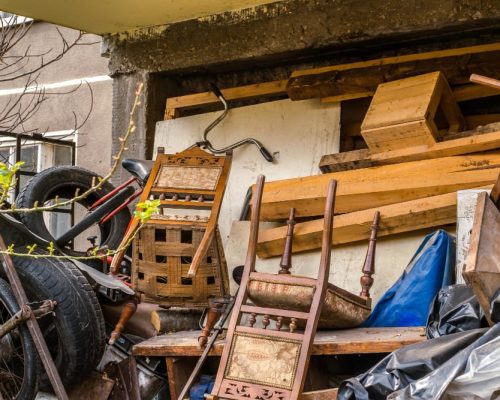
When faced with oversized furniture, the challenge becomes more physical than emotional. Heavy couches, bookcases, and wardrobes often linger after an estate sale because they are difficult for buyers to transport. Clearing them from the house requires both planning and strength, sometimes with additional hands to help. Moving such pieces without strategy risks damage to floors and walls or even personal injury. Proper lifting techniques, dollies, and furniture sliders are often necessary to ensure safety.
For items beyond repair, arranging for junk removal is often the most efficient solution. Instead of spending days searching for buyers or struggling to fit bulky pieces into vehicles, professionals can manage removal quickly. This eliminates clutter while allowing focus to shift toward the more meaningful aspects of closure. Whether repurposed, donated, or discarded, addressing large furniture swiftly opens the home and makes the remainder of the cleanup process easier. It transforms what initially feels immovable into a manageable task.
Dealing With Hazardous Materials Safely
Not all leftovers from an estate sale are safe to simply discard. Paint cans, cleaning supplies, automotive fluids, and even old batteries may still be tucked away in basements or garages. These items require careful handling, as improper disposal can harm the environment and create hazards for others. Identifying these materials is the first step, followed by researching local guidelines for safe removal. Many municipalities offer special collection days for such items.
Handling hazardous materials demands caution. Containers should remain sealed and upright, never mixed or poured down drains. Labeling each box of hazardous waste before transport prevents confusion and ensures safety. This part of the process might not be glamorous, but it is crucial. Once safely out of the home, peace of mind follows. With these risks eliminated, attention can return to clearing out the remaining spaces, confident that the cleanup has been both thorough and responsible.
Organizing What Goes to Storage
Sometimes not every item is ready to leave the family. Estate sales often involve heirlooms or personal objects that need time before a final decision is made. Storage becomes a bridge in such cases, providing space while emotions settle. Renting a storage unit can create breathing room, ensuring that choices are made thoughtfully rather than rushed. Boxes labeled clearly help make the future retrieval easier and prevent confusion down the line.
When organizing items for storage, focus on protection and accessibility. Fragile pieces need bubble wrap or padding, while furniture may require covers to prevent dust accumulation. Grouping similar belongings together, such as photo albums with keepsakes, ensures the storage experience remains manageable. While it adds an extra step, having a secure place to hold what cannot yet be parted with provides relief. Instead of forcing finality, storage offers flexibility, balancing the urgency of clearing the home with the sensitivity of preserving its history.
Managing Leftover Paperwork and Documents
Beyond furniture and household goods, paperwork often hides in drawers and cabinets long after an estate sale concludes. Important documents—such as wills, tax forms, or financial records—must be handled carefully, not swept away in haste. Sorting these papers ensures nothing essential is lost during the clearing process. Setting aside time to review folders and boxes allows for separating critical files from everyday clutter.
Shredding outdated documents protects against identity theft and clears unnecessary stacks of paper. However, documents with legal or financial value should be filed and stored securely, perhaps in a fireproof safe or safety deposit box. Photographs and personal letters may deserve their own special preservation methods. While paperwork seems less visible than a large sofa or appliance, its impact on the cleanup is significant. By giving attention to these details, the estate cleanup gains completeness, with no lingering worries about what might have been accidentally discarded.
Creating a Timeline for Efficient Cleanup
A successful estate cleanout requires more than effort—it requires a plan. Establishing a timeline prevents chaos and ensures every step of the process is addressed. Breaking down tasks into phases, such as donation, recycling, and junk removal, creates manageable goals that keep momentum steady. Without structure, days can pass with little progress, leaving the home feeling stuck in limbo.
Creating deadlines for each stage builds accountability. For example, assigning one weekend to handle donations and another for clearing large furniture avoids overwhelming the family. A written plan, posted where everyone involved can see it, helps coordinate efforts. This timeline does not need to be rigid but should provide enough guidance to keep the project moving forward. By organizing cleanup with time-bound steps, the estate cleanout shifts from overwhelming to achievable, ensuring the home is cleared with both efficiency and care.
Restoring the Home to a Fresh State
Once belongings are sorted, donated, recycled, or removed, the final step becomes restoring the home itself. Empty rooms often reveal scuffs on walls, dust on baseboards, or carpets needing a deep clean. This stage transforms the space from simply cleared to refreshed, making it ready for new beginnings. A clean, restored house carries a different feeling—it signals closure while also opening opportunities for the next chapter.
Wiping down surfaces, vacuuming floors, and repainting where needed brings vibrancy back to a space that may have felt heavy during the clearing process. Simple touches, like airing out rooms and washing windows, can brighten the entire atmosphere. Restoring the home ensures that what remains after the estate sale is not just emptiness but readiness. This renewal underscores the effort put into clearing, leaving behind a sense of accomplishment. At this point, the estate is truly settled, and the home feels complete again.
Conclusion
Clearing out a home after an estate sale is never a single-step process. It demands patience, organization, and sometimes professional guidance to ensure that everything from bulky furniture to sentimental keepsakes is handled with care. Each decision contributes to closure, creating room for both physical and emotional renewal. By blending donation, recycling, storage, and junk removal, families can transition smoothly through what otherwise feels overwhelming.
For residents seeking dependable support, Bee Gone Junk Removal in South Lyon, MI, provides reliable junk removal services that simplify the experience. Their team can handle the heavy lifting while ensuring that belongings are managed responsibly. Whether it involves discarding large furniture or safely clearing leftover clutter, their expertise lightens the burden. Reach out at 734-355-9918 or email beegonejunkremoval@gmail.com for assistance. With help available, clearing a home after an estate sale becomes less about stress and more about moving forward with peace of mind.