
The Best Practices for Safe and Efficient Furniture Removal
Before tackling the challenge of furniture removal, the environment itself must be properly prepared. Walking paths should be cleared of obstacles, cords tucked away, and fragile décor safely relocated. Preparation is often overlooked, yet it becomes the difference between a smooth transition and an accident waiting to happen. Every corner, doorway, and staircase needs attention so that the process feels less like chaos and more like a well-orchestrated routine. By creating space for movement, each heavy item can be maneuvered without unnecessary risk.
Planning extends beyond simply shoving objects aside. Measuring door frames, noting ceiling heights, and evaluating floor stability prevents unpleasant surprises mid-move. Furniture that fits comfortably in one room may stubbornly resist at an exit, causing damage or injury if handled hastily. When a space is properly staged, the focus shifts from scrambling to strategizing. This forethought ensures that no time is wasted wrestling with avoidable issues. Effective preparation transforms removal from stressful exertion into a process managed with confidence and clarity.
Choosing the Right Tools for the Job
Furniture removal is not only about strength but also about using the correct tools that lighten the burden. Items like dollies, sliders, lifting straps, and sturdy gloves create efficiency while protecting the body from strain. A well-equipped move relies less on brute force and more on leveraging simple mechanics. By using these aids, even awkwardly shaped or oversized pieces become easier to navigate through tight hallways and sharp turns. Proper gear saves energy while reducing the likelihood of injury.
Investing in the right tools also safeguards the furniture itself. Sliders prevent scratches on flooring, straps distribute weight evenly, and dollies ensure heavy loads stay balanced. Without them, the process feels like dragging a puzzle piece through a maze. With them, it becomes closer to a careful dance. Tools not only provide convenience but extend the life of items being transported. Choosing wisely and preparing in advance keeps both belongings and people safe throughout the journey of removal.
Protecting Your Body During Heavy Lifting
Safe furniture removal depends heavily on protecting the body from unnecessary stress. Lifting without care leads quickly to injuries that can linger long after the move ends. Proper lifting technique begins with bending the knees rather than the back, keeping the weight close, and avoiding sudden twists. Strong posture and steady breathing allow even challenging pieces to be handled with greater control. Every lift should feel deliberate, not rushed.
Equally important is pacing. People often attempt to move quickly to finish sooner, but fatigue increases the risk of accidents. Short breaks between lifts allow muscles to recover and ensure sharper focus. Wearing supportive shoes with grip and using gloves for stability also play crucial roles. Protecting the body is not about avoiding effort but managing it intelligently. When strength is paired with patience and correct form, removal becomes safe, efficient, and less physically demanding over time.
Planning the Route Before You Begin
One of the most overlooked aspects of furniture removal is deciding the exact path each item will take before it leaves the room. Without a planned route, movers may end up stuck at narrow corners or forced to backtrack repeatedly. This wastes time and raises frustration levels. Mapping out doorways, staircases, and entry points provides clarity and prevents awkward maneuvers that could cause injury or property damage. A mapped strategy ensures momentum is maintained.
Planning ahead also helps identify potential hazards. Loose rugs, uneven surfaces, or tight hallways can be addressed before moving begins. Furniture often requires tilting or rotating in unexpected ways, and these maneuvers are far easier when obstacles are already removed. The mental picture of the journey guides each step, reducing the chance of miscommunication among helpers. Thoughtful route planning saves energy and avoids the mess of trial and error during the move itself.
Protecting Floors and Walls During Removal
During furniture removal, the home itself can become vulnerable. Walls are at risk of dents, while hardwood floors may bear scratches that linger long after the furniture is gone. Protecting these areas is not only about preserving value but also about maintaining peace of mind. Furniture pads, blankets, and corner guards act as silent safeguards during transport. By cushioning contact points, they allow for smoother navigation in cramped areas.
Even seemingly small details like placing cardboard along hallways or rugs on high-traffic paths make a substantial difference. Sliders under chair legs or couch bases reduce friction and prevent gouging. A protective layer between furniture and surfaces creates freedom of movement without worry. With these measures, removal becomes less about damage control and more about transition. The effort spent preparing protections often prevents costly repairs, leaving the space intact and ready for its next chapter.
Working With a Partner for Better Efficiency
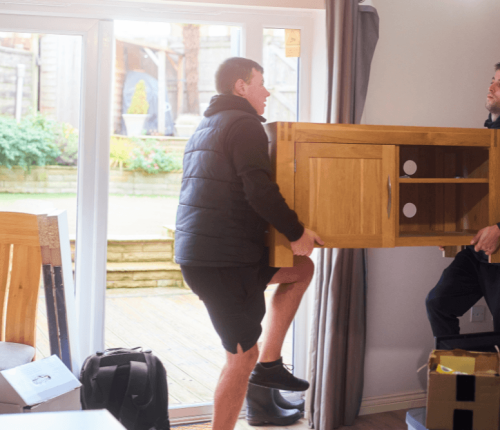
Furniture removal rarely works best as a solo endeavor. Large, awkward pieces often require coordination between two or more people. Having a partner not only reduces the weight each person must carry but also adds a layer of safety. Communication becomes essential in these moments. Calling out steps, adjusting timing, and moving in unison keep the process fluid rather than chaotic. With shared effort, the workload feels lighter and accidents become less likely.
The presence of a partner also makes decision-making easier. One person can guide while the other provides muscle, ensuring both awareness and balance. Even navigating tight doorways becomes less stressful with someone observing angles from the opposite side. Working together eliminates the guesswork that often leads to mishaps. Cooperation turns what could be overwhelming into something achievable. When tasks are divided effectively, energy is conserved, and the process becomes significantly more efficient.
Disassembling Furniture for Easier Transport
Large furniture pieces often resist movement until they are broken down into manageable sections. Disassembling beds, tables, and shelving units simplifies transport, reduces the chance of damage, and makes navigation through doorways effortless. While it may feel like an extra step, dismantling pieces saves energy in the long run. Smaller parts can be carried more easily and reassembled once they reach their destination.
Proper organization during disassembly is crucial. Screws, bolts, and small components should be kept in labeled bags or containers to prevent loss. Each piece should be moved carefully to avoid scratches or dents. By breaking furniture down, the process shifts from overwhelming to controlled. Suddenly, moving a bulky wardrobe feels less like lifting a mountain and more like carrying puzzle pieces. Taking the time to disassemble proves to be one of the most efficient practices in safe furniture removal.
Keeping Safety Equipment Within Reach
In the rush of furniture removal, safety equipment can easily be forgotten, yet it plays a vital role. Items such as gloves, back supports, and sturdy footwear offer more than comfort—they provide protection from common mishaps. Gloves reduce the chance of cuts from sharp edges, while supportive shoes prevent slips on smooth flooring. Back supports remind movers to maintain proper posture even when lifting heavy loads. These seemingly minor details often make the biggest difference.
Equally important is ensuring safety gear remains accessible. Placing gloves or straps in a separate room adds unnecessary steps and may discourage their use. By keeping everything within arm’s reach, safety becomes part of the workflow rather than an afterthought. The removal process is demanding enough without preventable injuries slowing progress. Having the right gear on hand transforms a potentially hazardous situation into one managed with foresight and care.
Considering Timing and Weather Conditions
Timing has a surprising influence on the ease of furniture removal. Attempting a move during high traffic hours or extreme temperatures can make an already challenging task far more complicated. Early mornings or cooler times of day are often better suited for heavy lifting, as energy levels are higher and heat is less oppressive. Planning around timing ensures fewer interruptions and a smoother overall process.
Weather also deserves consideration. Rain, snow, or ice can turn a move into a dangerous ordeal. Wet conditions make floors slippery, while extreme cold stiffens muscles, increasing the likelihood of injury. Monitoring forecasts and choosing a safe window prevents unnecessary stress. If bad weather cannot be avoided, protective coverings for furniture and extra precautions for footing become vital. Considering timing and weather elevates removal from a rushed task into a carefully thought-out operation.
Disposing and Recycling Furniture Responsibly
The final stage of furniture removal involves deciding where the items will go once they leave the home. Simply discarding furniture without thought contributes to waste and environmental strain. Instead, responsible disposal and recycling offer more sustainable outcomes. Many materials—wood, metal, fabrics—can be repurposed or reused when handled correctly. Donating gently used furniture also provides value to others, extending the life of items that still serve a purpose.
Responsible disposal reduces clutter without guilt. Recycling centers, charities, and specialized facilities help ensure that furniture avoids unnecessary landfill accumulation. Taking the time to research local options before the move creates a smoother process. The extra effort invested in responsible disposal shows care not only for the immediate environment but for the larger community as well. Furniture removal does not end at the curb; it carries the responsibility of thoughtful decision-making.
Conclusion
Furniture removal becomes safer and more efficient when approached with planning, preparation, and respect for both belongings and personal well-being. From clearing spaces and using the right tools to disassembling pieces and protecting walls, every step matters. Small adjustments, such as monitoring weather or enlisting a partner, often carry the greatest impact. Removal is never about rushing but about pacing wisely and reducing risks. Each choice adds to a smoother process, transforming a demanding task into one that feels purposeful.
For reliable support with junk removal, Bee Gone Junk Removal offers dependable services tailored to meet household and business needs. Located in South Lyon, MI, the team provides safe, efficient solutions designed with customer care at the forefront. Whether it is clearing out furniture or managing larger cleanouts, the experience remains stress-free. To schedule assistance, call 734-355-9918 or email beegonejunkremoval@gmail.com today. Professional help ensures the work is done swiftly, responsibly, and without unnecessary strain.