
What Happens to Your Junk After It’s Removed?
When your unwanted items are picked up, the process doesn’t end at your doorstep. Professional junk removal teams ensure each item is handled with care, separating objects based on usability, recyclability, and safety. Large furniture, appliances, and electronics are lifted carefully to prevent damage to your property, while bagged waste is consolidated for easier transport. Each action is designed to maintain a smooth, safe, and efficient removal experience that minimizes stress for homeowners and businesses alike. This meticulous approach ensures your junk leaves your space without leaving behind a mess or hazards.
After collection, items are transported to sorting facilities or transfer stations where they are categorized. This initial sorting is crucial, as it determines whether an object can be repurposed, recycled, or requires safe disposal. Many companies follow eco-conscious practices, actively seeking to divert as much material as possible from landfills. Metals, plastics, and cardboard are separated, while larger appliances are carefully dismantled for parts that can be reused. This step ensures that even after leaving your property, your junk has the potential to serve a new purpose, contributing to environmental sustainability.
Sorting for Maximum Impact
Once your items reach the sorting facility, each object undergoes a thorough examination to determine its next destination. Reusable items such as furniture, appliances, and electronics are carefully evaluated for potential donation or resale. Items in good condition often find a second home through charitable organizations or thrift stores, extending their life cycle and reducing waste. This method ensures that perfectly usable products don’t end up in landfills, giving them a chance to benefit others and support communities in need.
Non-reusable items are organized based on material type for recycling. Cardboard, plastics, metals, and other recyclables are separated and processed accordingly. Electronics are handled with special care to remove hazardous components safely. This sorting stage not only maximizes the impact of recycling efforts but also aligns with environmentally responsible junk removal practices. By thoughtfully categorizing materials, companies reduce landfill waste, conserve natural resources, and promote a circular economy where old items are transformed into valuable new products.
Donation: Giving Your Items a Second Life
Some of your unwanted items may have more life left than you think. Donatable objects like gently used furniture, working appliances, or clothing often find their way to local charities and community programs. These donations provide much-needed support to families, schools, and organizations while keeping usable goods out of landfills. Professional junk removal services typically partner with trusted donation centers, ensuring that your items are distributed responsibly and efficiently.
Donating not only benefits recipients but also fosters a sense of community responsibility. Knowing that your old belongings are helping others can transform the experience of letting go from a chore into a meaningful act. By choosing donation options during junk removal, you actively contribute to social and environmental welfare. Items that once occupied space in your home become valuable resources elsewhere, demonstrating the extended influence of thoughtful waste management practices on both local communities and the planet.
Recycling: Transforming Waste into Resources
Items that are no longer usable often have recyclable components that can be extracted and reprocessed. Metals are melted down, plastics are remolded, and paper products are pulped and reformed. Electronics are particularly valuable, containing rare metals and materials that can be recovered through specialized recycling processes. By diverting these materials from landfills, recycling transforms discarded items into new resources, reducing the need for raw material extraction and minimizing environmental impact.
Recycling also requires careful handling to prevent contamination and ensure materials are processed efficiently. Professionals follow strict guidelines for sorting and transporting recyclables, making the process both safe and effective. Even seemingly ordinary household junk can be converted into something beneficial when managed correctly. The end result is a system where discarded goods are given another chance, helping to sustain natural resources and reduce the ecological footprint of everyday consumption.
Safe Disposal: Managing the Unusable
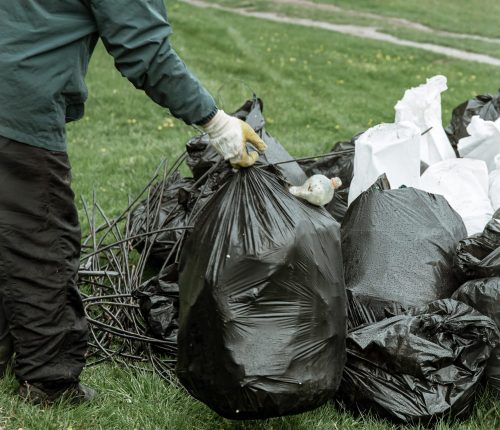
Not all items can be donated or recycled. Hazardous materials, worn-out mattresses, or irreparable appliances often require specialized disposal methods. Licensed junk removal services ensure these items are safely transported to appropriate facilities that comply with local environmental regulations. This step prevents hazardous substances from contaminating soil, water, or air, protecting both the environment and public health.
Safe disposal also involves documentation and adherence to strict protocols, particularly for items like electronics or chemicals. Professionals understand the risks and take preventive measures to mitigate them, ensuring that your junk is removed responsibly. This conscientious approach guarantees that even the most challenging items are handled correctly, giving homeowners peace of mind that their discarded belongings will not harm the community or ecosystem once removed from their property.
Repurposing: Creativity in Waste Management
Some items might be unsuitable for donation or standard recycling but can still serve a new purpose through repurposing. Wood, metal, and certain plastics can be transformed into art, furniture, or construction materials. Creative repurposing reduces waste while generating unique, functional products. By thinking beyond conventional disposal methods, junk removal services expand the lifecycle of materials and contribute to a more sustainable approach to waste management.
Repurposing also encourages innovation within communities, offering opportunities for small businesses, artisans, and DIY enthusiasts to acquire materials at low cost. Junk that once seemed worthless gains a new lease on life, providing both practical and aesthetic value. This alternative path illustrates the diverse possibilities for waste management, demonstrating that discarded objects can be transformed into resources that enrich lives and reduce environmental impact simultaneously.
Electronics and Appliance Recycling
Large electronic devices and appliances contain both valuable and hazardous components. Responsible junk removal ensures these items are carefully dismantled, with parts like copper, aluminum, and rare earth metals extracted for reuse. Hazardous elements such as refrigerants or lead are handled following strict safety protocols, preventing environmental contamination. This dual approach maximizes resource recovery while minimizing potential harm, demonstrating the importance of professional handling.
Appliances and electronics often hold unexpected value even after they cease to function. Salvaging usable parts supports recycling industries, lowers the demand for new raw materials, and contributes to a sustainable supply chain. Through this process, old refrigerators, washers, and televisions are transformed into resources for new manufacturing or safe disposal, highlighting how proper junk removal extends the life cycle of materials and mitigates environmental impact.
Yard Waste and Outdoor Debris Management
Outdoor junk, including yard waste, broken garden equipment, and construction debris, follows a slightly different path after removal. Organic matter is typically sent to composting facilities, turning leaves, branches, and grass clippings into nutrient-rich soil. Construction materials are separated for recycling or repurposing where possible. This structured approach ensures that outdoor waste contributes positively to the environment rather than burdening landfills unnecessarily.
Handling yard waste also prevents pest infestations and reduces fire hazards, promoting a safer and cleaner outdoor space. Professional junk removal teams bring both expertise and specialized equipment to manage bulk debris efficiently. By processing outdoor materials responsibly, they create opportunities for recycling, composting, and repurposing, demonstrating that even garden refuse has potential value when managed thoughtfully.
Construction and Renovation Debris
Renovation projects generate a wide array of debris, from lumber and drywall to concrete and metal scraps. After removal, these materials are sorted based on recyclability and potential for reuse. Metal, wood, and masonry can often be repurposed in future projects, while non-recyclable items are disposed of safely. This approach reduces landfill contributions and promotes sustainable construction practices, turning waste into opportunity rather than burden.
Professional junk removal ensures heavy, cumbersome, or hazardous materials are handled safely, protecting workers and property. Efficient transport and sorting processes streamline disposal, allowing homeowners and contractors to focus on ongoing projects without added stress. By integrating thoughtful waste management into renovation cleanouts, every piece of material is given a chance to contribute to new construction or environmental sustainability.
Commercial Junk Management
Businesses generate a variety of waste, from office furniture to electronics and packaging materials. After removal, commercial junk undergoes a structured sorting process to maximize reuse, recycling, and safe disposal. Companies benefit from reduced storage clutter, compliance with local disposal regulations, and environmentally responsible practices. Professional services tailor solutions to meet commercial needs, ensuring efficiency while maintaining sustainability.
Commercial junk management often includes secure data destruction for electronics, ensuring sensitive information is protected. Items like desks, chairs, and shelving units can be donated to charities or resold, extending their usefulness. By systematically handling business-related waste, junk removal services support operational efficiency while promoting environmental stewardship, illustrating how commercial spaces can adopt eco-friendly practices without compromising productivity or safety.
Conclusion
After your junk is removed, it enters a carefully managed journey that prioritizes reuse, recycling, and responsible disposal. From initial collection to sorting, donation, repurposing, and final disposal, each step is designed to maximize environmental benefits while reducing landfill contributions. Professionals ensure hazardous or non-recyclable items are safely handled, giving you peace of mind that your discarded belongings are managed responsibly and effectively. This holistic process underscores the importance of choosing reliable junk removal services for both residential and commercial needs.
Choosing Bee Gone Junk Removal in South Lyon, MI ensures your unwanted items are treated with care and environmental responsibility. Their team offers comprehensive junk removal solutions, including donation, recycling, and safe disposal, while maintaining efficiency and professionalism. You can reach them at 734-355-9918 or via email at beegonejunkremoval@gmail.com. By trusting experts, your junk not only leaves your property but embarks on a journey that benefits communities, supports sustainability, and minimizes ecological impact, turning what was once clutter into valuable resources for others and the environment.