
Removing large appliances starts with preparation, and skipping this step can turn the process into a chaotic ordeal. Kitchens and laundry rooms are often tight spaces filled with cabinets, walls, and flooring that you want to avoid damaging. The first move is to clear the surrounding area, making sure nothing blocks the path. Furniture, rugs, and even small décor should be taken out of the way so you have a wide, clear exit route. This helps prevent accidents and ensures that when it is time to move the appliance, you are not trying to shuffle sideways with heavy equipment in your hands.
Another element of preparation involves protecting your home. Place cardboard, blankets, or even old towels on the floor to avoid scratches or dents. Corners of walls can be shielded with padding or thick cloth. Taking a few minutes for these precautions can save you from costly repairs later. When the space is properly set up, the removal process moves more smoothly and gives you more confidence in handling the task safely.
Disconnecting Appliances with Safety in Mind
The biggest mistake homeowners make when removing appliances is rushing to unplug or unhook without checking the details. Dishwashers, ovens, refrigerators, and washing machines are all tied into water, electrical, or gas connections. Each one requires a different level of care, and skipping a step can be dangerous. For example, with gas-powered stoves, you must ensure the gas line is shut off tightly before moving anything, while refrigerators often need time to defrost before being unplugged to prevent leaks.
Once everything is shut down, take your time detaching cords and hoses. Wrap them neatly with tape or string so they do not dangle while moving. If you are disconnecting a water line, have towels or a bucket nearby since residual water will spill. Electrical plugs should be removed carefully without pulling at the cord. This deliberate approach eliminates hazards such as water damage, electrical sparks, or even unexpected gas leaks. Safety should always outweigh speed when handling connections.
Using the Right Tools for Appliance Removal
Appliances can be deceptively heavy, and trying to muscle them out of a room without assistance is where most people get injured. Tools make the job easier and safer. A dolly or hand truck is one of the most valuable pieces of equipment you can use. It provides stability and allows you to wheel an appliance across the floor rather than dragging it. Furniture sliders can also be placed under heavy machines to protect your flooring while reducing strain on your body.
Straps and lifting harnesses are also useful, especially if stairs are involved. They distribute the weight evenly and minimize the chance of dropping the item. Even something as simple as a sturdy screwdriver or wrench helps in disconnecting parts without forcing them loose. Investing in or renting the proper equipment can mean the difference between a smooth removal and a dangerous one. Trying to move an oven or refrigerator with nothing but bare hands often leads to accidents that could have been prevented.
Protecting Yourself During the Process
Heavy appliances are not just bulky, they can be hazardous if not handled with proper care. The risk of back injury is high when lifting awkward items without correct form. The golden rule is to bend your knees and keep your back straight when lifting, never stooping over to drag or pull. Wearing gloves is also wise, as many appliances have sharp edges around panels or underneath. A good pair of work gloves provides both grip and protection.
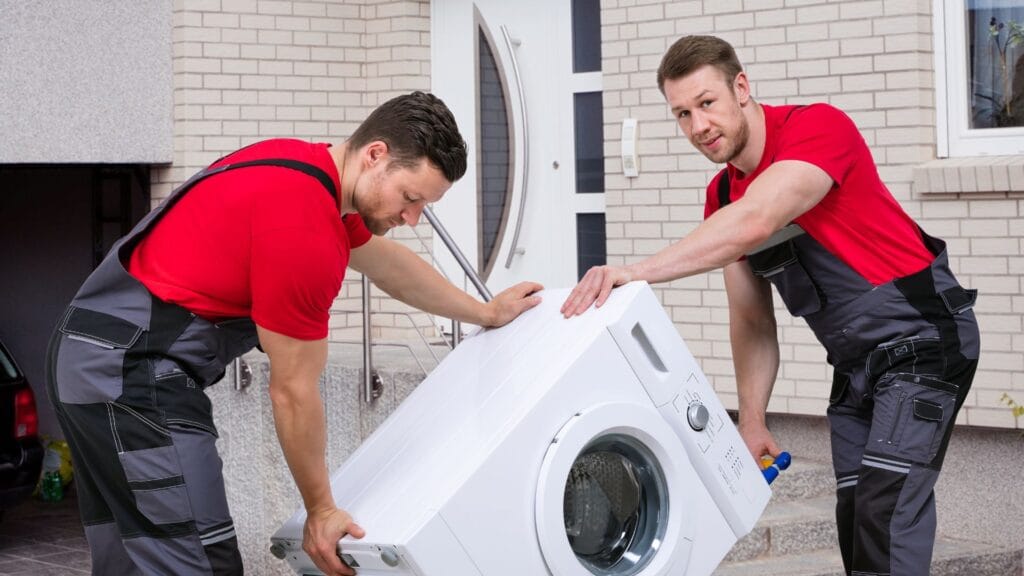
Footwear matters more than most people realize. Sneakers or slippers will not protect your feet if something slips, but heavy-duty shoes or boots will. Safety goggles may seem excessive, but when dealing with older appliances, there can be dust, rust, or debris that easily irritates your eyes. Taking a few extra steps to shield yourself ensures that you stay safe from cuts, bruises, or worse injuries while managing these bulky items.
Safely Navigating Doorways and Stairs
One of the trickiest parts of appliance removal is maneuvering through doorways or staircases. The dimensions of refrigerators or washers often exceed standard door widths, which means you may need to plan carefully before lifting. Measuring both the appliance and the doorway ensures you will not end up stuck midway. Sometimes, doors can be removed from their hinges temporarily to provide extra clearance, and this small effort makes passage much smoother.
When dealing with stairs, teamwork becomes critical. One person cannot safely guide a heavy dryer or oven down steps without risk of tipping or falling. Use straps and communicate every move with your partner so there are no sudden surprises. Move slowly and deliberately, keeping the weight balanced. The goal is not speed but stability, and that steady approach protects both your home and your health while completing the task successfully.
Handling Refrigerators and Freezers with Care
Refrigerators and freezers present unique challenges because of their size, weight, and contents. Before removal, they must be emptied completely and unplugged at least twenty-four hours in advance. This gives them time to defrost and prevents leaks of water on your floors. Food left inside can create unpleasant odors and extra weight, so clearing everything out is an important step.
Another critical point involves refrigerants inside older units. These chemicals are not safe to release into the environment and require proper disposal through recycling centers or junk removal specialists. Tipping a refrigerator on its side can also damage internal components, so keep it upright whenever possible. By treating these appliances with added caution, you ensure both environmental safety and easier handling during the removal process.
Managing Washers and Dryers Efficiently
Washers and dryers may look straightforward, but they come with their own set of complications. A washing machine holds water in its hoses and drum, so disconnecting and draining are necessary before moving. Leaving water inside can cause spills that make floors slippery and hazardous. With dryers, the vent hose should be carefully detached and checked for lint buildup, which can be messy if not handled properly.
Both machines are heavy and awkward to move, so using a dolly is highly recommended. The shape of washers and dryers makes them top-heavy, increasing the risk of tipping during removal. Wrapping cords and securing doors with tape keeps everything compact while being transported. These extra minutes of preparation make it far less stressful when maneuvering such bulky machines through narrow hallways or stairwells.
Knowing When to Seek Professional Help
Not every appliance should be handled without assistance. Some are simply too heavy or complicated to move safely, especially when gas lines, tight staircases, or multiple floors are involved. Attempting to manage everything on your own can lead to serious injury or property damage. Recognizing your limits is an important part of the process, and there is no shame in calling for professional support when the situation demands it.
Specialists have the training and equipment to manage even the most challenging removals with ease. They know how to disconnect safely, transport appliances without damaging your property, and dispose of them responsibly. Whether you are clearing out one item or handling several at once, bringing in experts can reduce stress and save you time. Sometimes the safest choice is to step back and let professionals handle the heavy lifting.
Responsible Disposal of Old Appliances
Getting an appliance out of your home is only part of the job. What happens next is equally important. Dumping an old refrigerator or washer at the curb is rarely the right solution, and in many areas, it may not even be allowed. Many appliances contain metals, chemicals, or components that should be recycled rather than sent to landfills. Recycling facilities can break down these machines into reusable parts, keeping hazardous materials out of the environment.
Donation is also an option if the appliance still works. Charities, shelters, or families in need often welcome gently used machines. If the item is beyond repair, professional junk removal services can ensure that it goes to the right facility for safe processing. Responsible disposal is a key part of removal, as it protects both the community and the planet.
Reducing Stress with Proper Planning
Appliance removal is rarely something people look forward to, but with a plan in place, it does not have to be overwhelming. Mapping out each step in advance—from clearing space and disconnecting lines to arranging transportation and disposal—keeps you in control of the situation. A checklist may help ensure no detail is overlooked, and having tools ready beforehand reduces last-minute scrambling.
By breaking down the task into manageable steps, the entire experience becomes less stressful. Rather than rushing and risking injury or damage, you approach the process with confidence. Planning ahead also allows you to anticipate challenges, like tight corners or stairs, and create solutions before they become obstacles. With careful preparation, the heavy work of appliance removal feels more like a controlled project and less like an exhausting chore.
Conclusion
Safely removing appliances from your home takes preparation, patience, and an awareness of potential risks. From disconnecting connections carefully to using the right tools, every step plays a role in protecting both you and your home. Equally important is what happens after the appliance leaves your doorway, ensuring it is disposed of or recycled responsibly. Approaching the process with caution and planning helps turn what could be stressful into something manageable and even satisfying.
For those who would rather not take on the task alone, help is available. Bee Gone Junk Removal in South Lyon, MI, offers reliable junk removal services that take the burden off your shoulders. With just a quick call to 734-355-9918 or an email to beegonejunkremoval@gmail.com, you can arrange safe and efficient removal without the hassle. By trusting experienced professionals, you keep your home safe, protect the environment, and save yourself valuable time.