
Construction sites can quickly become cluttered with materials that are no longer needed, from wood scraps to broken concrete. Recognizing the types of debris present is essential before starting any cleanup. Each material requires specific handling procedures to prevent injuries and ensure efficient disposal. By assessing the debris in advance, you can plan the resources needed, such as dumpsters, hauling equipment, and protective gear. Ignoring this step can lead to delays and unnecessary hazards that slow down progress.
Organizing debris by material type also facilitates recycling or proper disposal. Metal, wood, and concrete have different recycling pathways, and sorting them early can reduce landfill waste and save costs. This stage often sets the tone for the entire removal process, influencing how smoothly the cleanup proceeds. Planning with precision ensures that labor, time, and equipment are used effectively, preventing backtracking or redundant work that can frustrate workers and delay project completion.
Preparing Your Site for Safe Debris Removal
Before removing any construction debris, securing the site is crucial. Safety barriers, warning signs, and protective equipment for workers are vital to prevent accidents. Removing obstacles that could interfere with hauling equipment or vehicles ensures that operations proceed without unnecessary interruptions. Planning the route for debris transport, both within the site and to the disposal location, reduces risks of injuries or property damage.
Additionally, preparing the site involves evaluating the amount of debris expected and arranging suitable containers or dumpsters. Properly labeling areas for specific waste types can streamline collection and make recycling more efficient. Preparation also includes identifying hazardous materials and handling them according to legal and environmental regulations. Taking time to prepare the site carefully not only protects workers but also enhances the overall speed and efficiency of debris removal, leading to a cleaner, safer, and more organized construction environment.
Selecting the Right Tools and Equipment
Effective construction debris removal depends on having the right tools and equipment. Large debris may require heavy machinery like skid steers or loaders, while smaller items can be handled with shovels, wheelbarrows, and industrial brooms. Protective gear including gloves, steel-toed boots, and eye protection is equally essential. Choosing the correct equipment for each type of debris reduces the risk of injury and accelerates the removal process. Additionally, using the right machinery prevents damage to the site, surrounding structures, and landscaping.
For debris transportation, dumpsters, trucks, and containers of varying sizes are necessary. Some sites may benefit from temporary storage bins or chute systems for vertical debris removal in multi-story buildings. Renting or acquiring specialized equipment can initially seem costly but often results in faster completion times and fewer safety issues. By investing in proper equipment upfront, workers can handle materials more ergonomically, reducing fatigue and improving overall productivity.
Sorting and Segregating Debris Efficiently
Segregating construction debris into categories such as wood, metal, concrete, and hazardous materials simplifies disposal and recycling. Sorting onsite reduces contamination, prevents fines, and often allows some materials to be repurposed or recycled, cutting disposal costs. Workers can use color-coded bins or labeled piles to distinguish debris types and maintain organization. Segregation also helps comply with local environmental regulations and waste management standards, ensuring debris is handled legally and responsibly.
Efficient sorting can be achieved by integrating a systematic workflow into daily cleanup routines. Workers should be trained to recognize materials and know which containers they belong in. Keeping sorted debris separate from construction activities reduces tripping hazards and enhances safety. Additionally, organized piles speed up loading into trucks or dumpsters when removal begins.
Hauling and Transporting Debris Safely
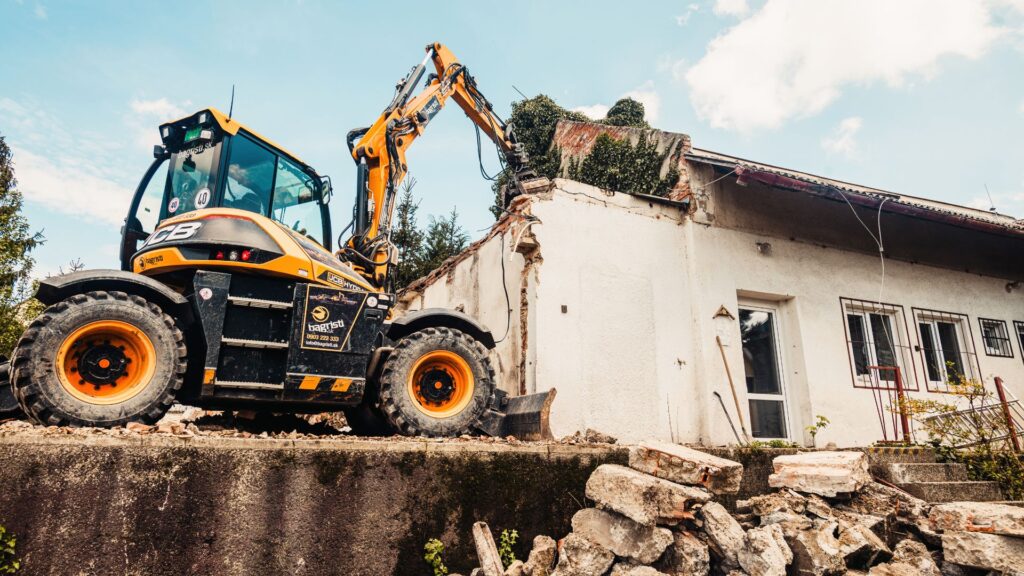
Once debris is sorted, the next step is safe transport to appropriate disposal or recycling facilities. Heavy materials require careful lifting techniques or mechanical assistance to prevent injuries. Planning transport routes avoids congestion on the site and minimizes the risk of damage to existing structures. Vehicles used for hauling should be properly maintained and equipped with restraints or tarps to secure materials during transit.
Additionally, consider the timing of debris removal to reduce conflicts with ongoing construction activities. Scheduling transport during low-traffic periods or coordinating with waste facilities ensures timely disposal. Maintaining clear communication between drivers and onsite teams prevents mishaps and improves efficiency. Safe transport practices not only protect workers but also ensure that debris reaches recycling centers or landfills in compliance with regulations.
Choosing a Disposal or Recycling Method
Selecting the appropriate disposal or recycling pathway is essential for responsible construction debris removal. Different materials have distinct recycling opportunities: metals can be melted down and reused, wood can be repurposed or chipped, and concrete can be crushed for aggregate. Hazardous materials like asbestos or treated chemicals require licensed handling and specialized disposal. Choosing the right method ensures compliance with environmental regulations and minimizes the ecological footprint of your project.
Efficient debris disposal also contributes to cost savings. Recycling valuable materials reduces landfill fees and can sometimes generate revenue if scrap metals or reusable materials are sold. Planning the disposal route in advance ensures debris is delivered to the correct facility promptly. Combining disposal with recycling strategies aligns with sustainable construction practices and enhances the reputation of your project for environmental responsibility.
Scheduling and Coordinating Debris Removal
Effective scheduling ensures that construction debris removal does not interfere with ongoing work. Establishing a debris removal timeline helps coordinate labor, equipment, and transport efficiently. Communication between contractors, project managers, and cleanup crews is essential to align debris removal with construction milestones. Flexible scheduling allows for adaptation to unexpected events such as weather delays or delivery changes. Planning in advance ensures that debris removal integrates seamlessly into the overall project timeline, preventing bottlenecks or extended downtime.
Coordination also involves selecting the optimal frequency for debris removal. Some sites benefit from daily cleanups to maintain safety and organization, while others may schedule larger removals at milestone completions. Early planning helps secure necessary resources like dumpsters or trucks and avoids last-minute logistical challenges. Aligning removal schedules with project timelines ensures workers can operate in safe, clear environments and maintain productivity.
Managing Hazardous and Special Materials
Handling hazardous materials requires careful attention to safety and legal compliance. Items like asbestos, chemicals, or treated wood pose unique risks and must be managed by trained personnel following strict protocols. Using personal protective equipment, labeling hazardous items, and separating them from general debris prevents accidents. Understanding local and federal regulations ensures that hazardous materials are disposed of correctly, avoiding fines or environmental contamination. Risk assessment is crucial before attempting to move or store dangerous substances.
Special materials, such as large appliances or bulky equipment, may require specialized tools or vehicles for removal. Planning for these items ensures that no site activity is disrupted and that safety remains a priority. Training workers to identify and manage these materials effectively mitigates accidents. Partnering with licensed disposal or recycling facilities guarantees proper handling and reduces liability.
Monitoring Progress and Maintaining Cleanliness
Regular monitoring of debris removal ensures that the site remains safe and organized. Supervisors should check that debris is removed promptly, materials are sorted correctly, and safety protocols are followed. Continuous oversight allows for adjustments in workflow, equipment usage, or labor allocation. Monitoring also helps identify areas where debris accumulation could pose risks or delay progress. Keeping detailed records of removal activities aids in evaluating efficiency and improving future project management strategies.
Maintaining cleanliness during construction is equally important. Sweeping, dust control, and proper disposal of smaller debris enhance safety and reduce environmental hazards. A clean worksite fosters morale, productivity, and compliance with safety regulations. Integrating routine checks and cleanups into the construction schedule ensures that debris does not accumulate excessively.
Evaluating Costs and Optimizing Resources
Assessing the cost of debris removal is crucial for budget management. Expenses include labor, equipment rental, transport, and disposal fees. Evaluating options for recycling or repurposing materials can offset costs. Planning resource allocation efficiently ensures that funds are used effectively without compromising safety or quality. Understanding the financial impact of debris management helps project managers make informed decisions about labor distribution, scheduling, and equipment selection.
Optimizing resources involves careful coordination of personnel, vehicles, and tools to maximize efficiency. Combining tasks, scheduling removals during low-activity periods, and using the right equipment reduces wasted time and labor. Strategic planning ensures that all materials are handled effectively, minimizing downtime and enhancing productivity.
Leveraging Professional Junk Removal Services
Hiring professional junk removal services streamlines construction debris management. Experts bring experience, equipment, and trained personnel to handle debris efficiently and safely. They can manage large volumes, hazardous materials, and diverse waste types, allowing construction teams to focus on building rather than cleanup. Professional services also ensure compliance with local disposal regulations and recycling initiatives.
Professional services provide scalable solutions tailored to the needs of each construction site. They can coordinate scheduled pickups, offer on-demand removal, and manage recycling processes, reducing the logistical burden on contractors. Partnering with reliable junk removal professionals ensures that sites remain organized, clean, and hazard-free. This approach saves time, reduces stress, and enhances productivity, making professional assistance a practical and strategic choice for managing construction debris efficiently and responsibly.
Conclusion
Construction debris removal is an essential component of any building project, impacting safety, efficiency, and environmental responsibility. A well-planned approach encompasses site assessment, preparation, sorting, hauling, and disposal. Proper handling of hazardous and bulky materials ensures compliance with legal standards while safeguarding workers. Maintaining cleanliness, monitoring progress, and evaluating costs enhance productivity and contribute to smoother project completion.
For comprehensive and professional assistance with construction debris removal, Bee Gone Junk Removal in South Lyon, MI offers expert junk removal services tailored to your needs. Their team provides safe, efficient, and eco-friendly solutions for residential and commercial projects, handling all types of debris with precision. Contact them at 734-355-9918 to schedule a service or consultation and experience a clutter-free construction environment managed by experienced professionals. Their commitment to quality and sustainability ensures that your debris removal process is handled responsibly and efficiently.