
When tackling an office cleanout, the first step is understanding the condition of your existing furniture. Chairs with broken wheels, desks with chipped edges, and filing cabinets that no longer close properly can quickly become obstacles in the workspace rather than assets. Taking a critical inventory helps identify what can be salvaged, what can be refurbished, and what is best removed entirely. Not every piece needs to meet perfection; sometimes a simple repair can extend the life of a chair or table, keeping costs down while clearing unnecessary clutter.
Beyond assessing functionality, consider aesthetic relevance and brand identity. Office furniture often communicates a company’s image to clients and employees alike. Outdated or mismatched pieces can send unintended signals. By evaluating both usability and visual appeal, you can make informed decisions on which items to keep, donate, or recycle.
Repurposing Furniture Creatively
Office furniture doesn’t always have to be discarded when it’s no longer suitable for its original purpose. With some creativity, old desks, chairs, and cabinets can be repurposed into new functional pieces. For instance, file cabinets can become storage units for break rooms or art supplies, while sturdy desks can be transformed into collaborative workstations or reception tables. This approach reduces waste and can save money while providing functional solutions for alternative needs within the office.
Repurposing also fosters a sense of sustainability within the workplace. Employees may feel a deeper connection to an office that values resourcefulness, and clients can appreciate a business that actively seeks eco-friendly solutions. In addition, repurposed furniture can create unique focal points that enhance the office aesthetic. Instead of viewing old furniture as a problem, approaching it as an opportunity for innovation and efficiency can shift the mindset from simple disposal to imaginative reuse, making the cleanout process feel productive and responsible.
Donating Items to Local Organizations
Donating old office furniture is a viable option for extending the lifecycle of items that are still in usable condition. Schools, nonprofit organizations, and community centers often welcome desks, chairs, and storage units that might otherwise be discarded. Contacting these organizations to determine their needs and delivery preferences ensures that your donations are beneficial rather than burdensome. Beyond helping others, donations can also provide potential tax benefits and enhance your company’s reputation within the community.
It is important to ensure that the donated items are clean, functional, and safe for use. Broken chairs or sharp-edged desks should be repaired or avoided to prevent accidents. By coordinating donations carefully, the office cleanout process not only reduces waste but also supports local initiatives. This method promotes a cycle of reusing resources while showcasing corporate responsibility. It allows businesses to clear space efficiently while making a tangible difference in the community, turning unwanted office furniture into an asset for others.
Selling Furniture to Secondary Markets
Selling office furniture is another practical strategy when considering cleanout options. Many businesses prefer to recoup some of their investment by selling items that are still functional. Online marketplaces, auction sites, and consignment shops provide avenues to reach buyers interested in quality, affordable office solutions. Properly photographing and describing items can attract more attention and increase the likelihood of a successful sale.
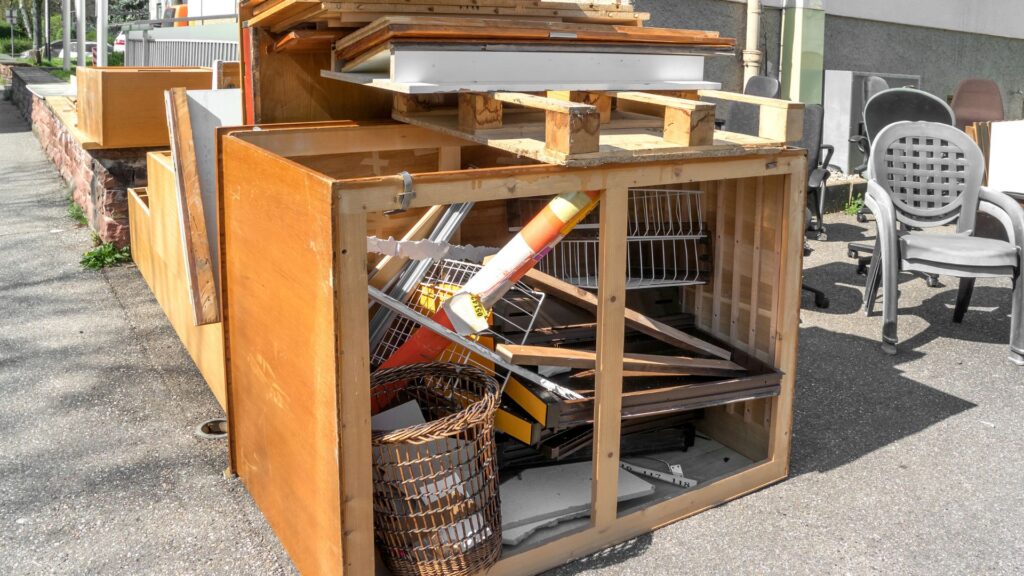
When preparing items for sale, consider the timing and presentation. Well-maintained furniture sells faster and often commands higher prices. Clear communication regarding dimensions, condition, and delivery options reduces misunderstandings and expedites the transaction. Selling also requires patience and organization, as coordinating with potential buyers can extend the timeline compared to immediate removal.
Recycling for Sustainable Disposal
Recycling is a crucial consideration during office cleanouts, particularly for items that are damaged beyond repair or no longer functional. Metal desks, steel filing cabinets, and electronic components from chairs can often be recycled, reducing environmental impact. Identifying materials suitable for recycling requires attention to local recycling regulations and facilities. Separating recyclable materials from general waste ensures a smoother disposal process and aligns with corporate sustainability goals.
In addition, collaborating with professional junk removal services can simplify the recycling process. Experts can handle heavy lifting, transportation, and sorting, ensuring that items are directed to appropriate recycling channels. This approach saves time and effort for employees while maximizing eco-friendly outcomes. Recycling not only complies with environmental standards but also enhances corporate social responsibility.
Utilizing Professional Junk Removal Services
Professional junk removal services provide comprehensive solutions for office cleanouts, especially when dealing with large volumes of furniture or bulky items. These services handle lifting, transport, and disposal, reducing strain on employees and preventing potential injuries. Scheduling a professional service ensures timely removal and efficient organization of unwanted items, allowing staff to focus on core business operations. Professionals are equipped to manage both standard furniture and specialized equipment, ensuring that the entire cleanout process is thorough and safe.
Engaging professionals also offers environmental benefits. Many reputable services prioritize recycling and donation, ensuring that furniture is disposed of responsibly rather than ending up in landfills. Their experience in navigating disposal regulations minimizes legal complications and ensures compliance with local laws. Additionally, using a professional service demonstrates a commitment to workplace safety and efficiency. By outsourcing the physical labor and logistical challenges, businesses can achieve a streamlined cleanout that maximizes productivity while maintaining a sustainable approach to junk removal.
Preparing Furniture for Transport
Properly preparing furniture for transport is an essential step in a successful cleanout. Items should be cleaned, disassembled if necessary, and labeled for easier identification upon arrival at donation centers, recycling facilities, or resale locations. Wrapping delicate surfaces and securing loose components prevents damage during transit. Planning the logistics of how items will be loaded, including weight distribution and access paths, ensures safety for those handling the furniture. Adequate preparation reduces delays and protects the integrity of the furniture during the removal process.
Beyond physical protection, preparation involves thoughtful categorization. Grouping similar items together, such as chairs, desks, and cabinets, facilitates efficient unloading and placement at their destination. Proper planning also allows removal teams to anticipate challenges like narrow hallways or staircases. Taking the time to prepare furniture thoughtfully minimizes accidents, enhances workflow, and ensures that the cleanout proceeds smoothly. This organized approach contributes to a more productive and less stressful experience for both employees and professional removal teams, enhancing overall office efficiency.
Scheduling Regular Cleanouts
Maintaining an organized office requires periodic cleanouts rather than sporadic, reactive measures. Scheduling regular removal of outdated or damaged furniture prevents accumulation and creates a workspace conducive to productivity. Consistent cleanouts allow businesses to stay ahead of clutter, reduce the risk of accidents, and maintain a professional appearance. Integrating cleanouts into operational planning also ensures minimal disruption to daily activities, allowing employees to adjust schedules and prepare for removal days efficiently.
Regular cleanouts also support long-term strategic planning. Businesses can monitor furniture wear and tear, plan for future upgrades, and budget for replacements more effectively. By creating a predictable rhythm of assessment, donation, recycling, or disposal, companies foster a proactive culture of organization. This reduces stress, promotes employee satisfaction, and maintains an office environment that reflects professionalism and care. In the long run, regular cleanouts maximize both space efficiency and resource utilization, creating a healthier, more productive workplace.
Documenting and Tracking Removed Items
Documenting furniture removal is an often-overlooked step that can greatly improve accountability and workflow during office cleanouts. Maintaining records of which items are sold, donated, recycled, or discarded allows management to monitor costs, benefits, and environmental impact. Photos, spreadsheets, or digital logs provide transparency and assist in future planning for furniture replacement or office upgrades. Proper documentation ensures that nothing is lost or misplaced, and helps businesses maintain a clear understanding of their assets and disposal practices.
Tracking removed items also supports sustainability and compliance initiatives. Accurate records of donation and recycling efforts provide proof of responsible disposal, which can be valuable for reporting to stakeholders or regulatory agencies. This step also allows for performance assessment of the cleanout process itself, highlighting areas for improvement and streamlining future removals. A thorough documentation system contributes to an organized, efficient, and responsible office cleanout, reinforcing both operational excellence and environmental stewardship.
Creating a Comfortable Transition Environment
During an office cleanout, the human element is as important as furniture management. Providing a comfortable transition environment helps employees adapt to the temporary disruption, reducing stress and maintaining morale. Clear communication regarding schedules, expected disruptions, and new furniture arrangements fosters understanding and cooperation. Offering spaces for breaks, personal belongings, and temporary seating ensures that productivity continues despite ongoing removal activities, balancing operational needs with employee comfort.
Additionally, involving staff in the transition process can promote engagement and a sense of ownership. Allowing employees to participate in decisions regarding which items are kept, donated, or repurposed fosters a collaborative atmosphere. This participatory approach reduces resistance to change, encourages creativity in repurposing old furniture, and strengthens workplace culture. By focusing on a smooth, considerate transition, businesses can complete office cleanouts effectively while preserving employee well-being and sustaining a positive work environment.
Conclusion
Office cleanouts present a unique opportunity to streamline workspaces while responsibly managing old furniture. By evaluating item condition, creatively repurposing, donating, selling, recycling, and employing professional junk removal services, businesses can optimize both efficiency and sustainability. Careful preparation, electronic component management, scheduling regular cleanouts, and documenting removals ensure that the process is organized, safe, and productive. Moreover, focusing on a comfortable transition environment preserves employee morale and enhances workplace culture.
For businesses in South Lyon, MI, Bee Gone Junk Removal offers professional junk removal solutions tailored to office cleanouts. Their team handles everything from heavy lifting to responsible disposal, ensuring furniture is recycled, donated, or removed efficiently. Contacting Bee Gone Junk Removal at 734-355-9918 allows companies to schedule services that minimize disruption, maximize safety, and support eco-friendly practices. Their expertise turns cluttered spaces into organized, functional environments, promoting productivity and sustainability while alleviating the stress of managing old office furniture.