
Maintaining a warehouse that is free from clutter is not merely a matter of aesthetics but a crucial aspect of safety. Piles of outdated materials, broken pallets, or misplaced equipment can create tripping hazards, obstruct emergency exits, and even contribute to fire risks. By implementing regular cleanouts, businesses can systematically remove items that no longer serve a functional purpose, ensuring pathways remain clear and work zones are secure. This proactive approach minimizes accidents and helps staff feel confident moving through their workspace without fear of injury.
Furthermore, routine cleanouts encourage a culture of vigilance and responsibility. Employees become more aware of potential hazards, and management can identify safety issues before they escalate. Regularly scheduled cleanouts provide opportunities for equipment inspections, enabling timely repairs and maintenance. In essence, a clean warehouse is a safer warehouse, where efficiency and security coexist, and risks are mitigated through simple, organized actions.
Boosting Operational Efficiency
A cluttered warehouse slows down every aspect of operations, from locating inventory to managing shipments. When every item has a designated place and unnecessary materials are removed, employees spend less time searching for what they need and more time completing their tasks. Efficient storage solutions combined with regular cleanouts streamline workflow, allowing goods to move quickly and reducing bottlenecks that can disrupt daily operations.
Regular cleanouts also make inventory management more accurate. Items that are obsolete, damaged, or expired can be promptly removed, reducing the chance of errors during stock counts. Streamlined operations foster a more productive environment, saving both time and labor costs. The act of clearing out and reorganizing stimulates a mindset of continuous improvement, reinforcing efficiency as a core value in warehouse management.
Preserving Equipment and Inventory
Warehouses often house expensive machinery and valuable inventory. Accumulated debris, dust, and unorganized storage can damage these assets over time. Routine cleanouts help preserve equipment by preventing unnecessary wear and tear and ensuring that machinery is accessible for maintenance. This preventative measure extends the life of forklifts, pallet jacks, and other operational tools.
Similarly, organized and clutter-free storage protects inventory from damage. Stacks of products are less likely to topple, and fragile items can be properly stored. Cleanouts encourage the rotation of stock, reducing spoilage and obsolescence. By taking care of both equipment and inventory, businesses safeguard their investments and avoid unnecessary financial losses caused by preventable deterioration.
Promoting a Positive Workplace Environment
A clean and organized warehouse has a psychological impact on employees. When the workspace is orderly, staff tend to feel more motivated, focused, and satisfied with their work environment. Cluttered areas can induce stress and distract from productivity, whereas a tidy setting fosters clarity and efficiency in task execution.
Regular cleanouts also communicate respect for employees’ working conditions. Management demonstrates that the well-being of their team is a priority, which can enhance morale and loyalty. An environment that balances cleanliness with functionality encourages collaboration and pride in the workplace, ultimately contributing to overall business performance and a harmonious work culture.
Facilitating Compliance with Regulations
Warehouses are subject to numerous safety, health, and environmental regulations. Failing to maintain cleanliness can lead to violations, fines, or even shutdowns. Routine cleanouts ensure that businesses remain compliant with OSHA standards and other relevant guidelines. Proper storage of hazardous materials, removal of debris, and clear access to fire safety equipment are essential components of regulatory adherence.
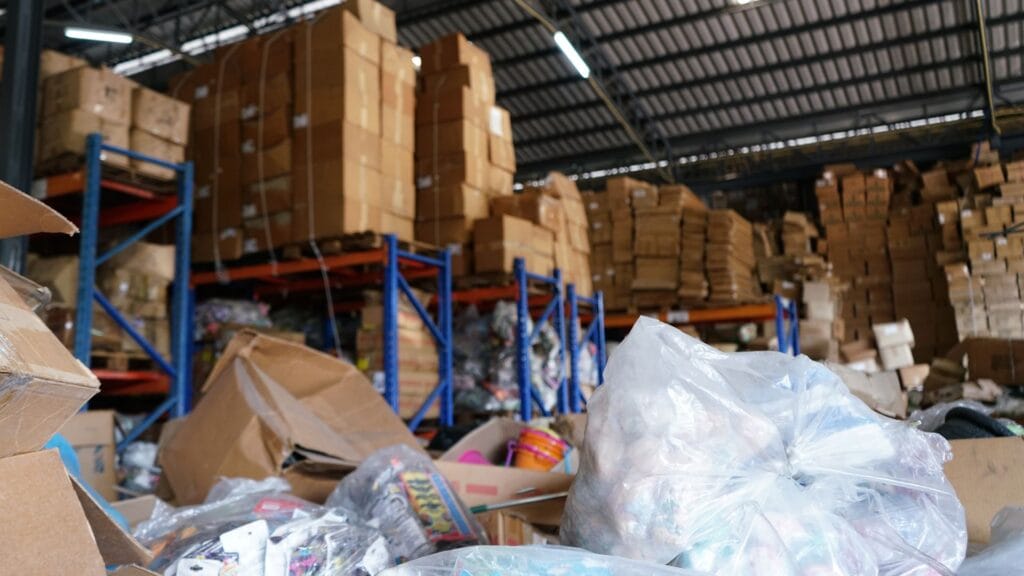
Beyond legal compliance, cleanouts demonstrate a commitment to best practices. Auditors and inspectors are more likely to view a well-maintained warehouse positively, reducing scrutiny and potential penalties. Regular attention to compliance not only protects the business legally but also strengthens its reputation among clients and partners, signaling professionalism and reliability.
Reducing Pest Infestations
Pests thrive in cluttered, neglected environments where food sources and hiding spots are abundant. Regular warehouse cleanouts minimize the risk of infestations by eliminating accumulated debris, cardboard boxes, and waste that attract rodents and insects. Preventing infestations protects both products and staff from health hazards associated with pest activity.
Cleanouts also make it easier to detect early signs of pest problems. Small infestations can be addressed before they escalate into costly, large-scale issues. By maintaining a clean and orderly warehouse, businesses create an inhospitable environment for pests, safeguarding inventory and reinforcing hygiene standards across all operations.
Optimizing Space Utilization
Warehouses are valuable real estate, and every square foot counts. Excess clutter occupies space that could otherwise be used for additional inventory, equipment, or operational flexibility. Regular cleanouts free up areas that are underutilized or obstructed, allowing businesses to optimize their layout and maximize storage efficiency.
Proper organization achieved through consistent cleanouts also enables smarter shelving and storage solutions. Space can be allocated according to item size, frequency of use, or seasonal demand, improving accessibility and minimizing wasted effort. Optimizing space utilization ensures that a warehouse functions at peak capacity, making every inch contribute meaningfully to the overall workflow.
Supporting Sustainable Practices
Regular cleanouts provide opportunities to recycle, repurpose, and donate materials, promoting eco-friendly practices. Removing old pallets, cardboard, and obsolete equipment from the warehouse can prevent these items from ending up in landfills. Businesses that prioritize sustainability not only reduce environmental impact but also strengthen their corporate responsibility profile.
Eco-conscious cleanouts often involve sorting materials according to recyclability and safely disposing of hazardous waste. Implementing these practices consistently reinforces a culture of environmental stewardship, demonstrating that efficiency and sustainability can go hand in hand. Through thoughtful junk removal, warehouses can operate more responsibly while maintaining productivity and organization.
Preparing for Growth and Expansion
A well-maintained warehouse is better positioned to accommodate growth and expansion. Businesses planning to increase inventory, hire additional staff, or introduce new product lines benefit from a space that is already organized and adaptable. Regular cleanouts prevent bottlenecks and ensure that the facility can handle increased operational demands without disruption.
Clean and organized warehouses also facilitate strategic planning. Clear visibility of existing inventory and equipment allows for better decision-making regarding procurement, layout adjustments, and workflow improvements. Preparing the warehouse in advance through routine cleanouts minimizes stress and logistical challenges during periods of growth, providing a strong foundation for sustainable business expansion.
Minimizing Fire Hazards
Accumulated clutter and improperly stored materials contribute significantly to fire risks in warehouses. Paper, cardboard, and flammable liquids can easily ignite, while obstructed fire exits and blocked sprinkler systems hinder emergency response. Regular cleanouts remove combustible materials and ensure that fire safety measures remain accessible and effective.
Beyond removing potential fuel for fires, cleanouts support emergency preparedness. Clearly marked exits, unobstructed aisles, and organized storage reduce the likelihood of injury in the event of a fire. Prioritizing fire safety through systematic warehouse cleanouts safeguards employees, inventory, and assets, highlighting the critical importance of maintaining a well-ordered environment.
Improving Overall Efficiency and Morale
The cumulative benefits of regular warehouse cleanouts extend to overall operational efficiency and employee morale. When the environment is safe, organized, and visually appealing, tasks are completed more quickly and accurately. Employees can focus on their responsibilities rather than navigating around clutter, fostering a more productive and harmonious workplace.
Regular cleanouts also encourage a proactive mindset, inspiring staff to take ownership of their surroundings. This attention to detail enhances collaboration, reduces stress, and promotes a sense of pride in the workspace. By prioritizing routine maintenance and organization, businesses not only streamline operations but also cultivate a motivated workforce committed to excellence and efficiency.
Conclusion
Maintaining a clean and organized warehouse is far more than an aesthetic choice; it is a strategic business practice with profound implications for safety, efficiency, and growth. By implementing regular cleanouts, companies safeguard employees, protect inventory, and streamline operations, all while fostering a productive and harmonious environment. Moreover, systematic cleanouts prepare warehouses for expansion, ensure regulatory compliance, and support sustainable practices, making the facility safer, more efficient, and environmentally responsible.
For businesses in South Lyon, MI seeking professional assistance with junk removal, Bee Gone Junk Removal offers expert, eco-friendly solutions. Their experienced team ensures that unwanted materials are removed efficiently, recycling or repurposing items whenever possible. To schedule a warehouse cleanout or consult about commercial junk removal, contact Bee Gone Junk Removal at 734-355-9918 or email beegonejunkremoval@gmail.com. By partnering with dedicated professionals, businesses can maintain a clutter-free, organized, and productive warehouse environment.