
Before making any decisions about unwanted office furniture, the first step is taking inventory of what truly needs to go. Many business spaces accumulate more items than initially expected. Old desks shoved into corners, broken chairs stacked in storage rooms, and filing cabinets that have not been opened in years can add up quickly. A careful assessment can help separate what is functional from what is simply taking up valuable square footage. Walking through each department and asking employees about what they no longer use will create a clear picture of what needs to be removed.
This step is also about recognizing how much space could be gained once unused items are gone. For example, an overcrowded meeting area might transform into a modern collaboration hub once bulky tables are removed. A thoughtful evaluation ensures that only items that truly serve the business remain. It is not just about removing junk but also about shaping an environment that allows the workplace to function at its best.
Planning the Timing of Furniture Removal
Timing plays a much larger role than many realize when dealing with commercial furniture removal. Offices and retail environments function on tight schedules, and any disruption can affect productivity. Planning removal during non-peak hours or slow business days minimizes interference. A restaurant may benefit from scheduling furniture removal between lunch and dinner shifts, while an office might opt for early mornings or weekends when staff are not present. Choosing the right window ensures employees can keep working without being inconvenienced.
Beyond simply picking a day, timing also matters for logistical reasons. Some municipalities may only offer bulk pickup services on certain dates. Coordinating removal with these schedules can save both time and effort. For businesses operating in leased spaces, removal might need to align with lease-end deadlines. This makes planning ahead critical. Waiting until the last minute often leads to rushed decisions, unnecessary costs, or incomplete clear-outs.
Exploring Eco-Friendly Disposal Methods
Unwanted furniture does not automatically mean garbage. Many items can be diverted from landfills with a little creativity and research. For example, wood desks might be broken down and recycled, while metal shelving can be melted and repurposed. Upholstered chairs may be stripped for parts. These environmentally conscious methods help reduce waste while contributing to sustainable business practices. Offices that prioritize eco-friendly disposal send a message to staff and clients that they care about their community and planet.
In some cases, specialized recycling centers accept commercial furniture, providing businesses with a responsible outlet for items that no longer fit their needs. Donating usable pieces to nonprofit organizations can also make a meaningful difference, extending the life of items that still have value. These eco-friendly approaches not only benefit the environment but also strengthen a company’s reputation.
Considering Furniture Donation Options
Not every piece of furniture needs to head for disposal. Many commercial environments replace furniture simply because of rebranding, design upgrades, or expansion, not because items are broken. This opens the door for donation. Schools, local charities, community centers, and small nonprofits often welcome gently used desks, chairs, or shelving. What may no longer match the aesthetic of a modern office could still bring tremendous value elsewhere.
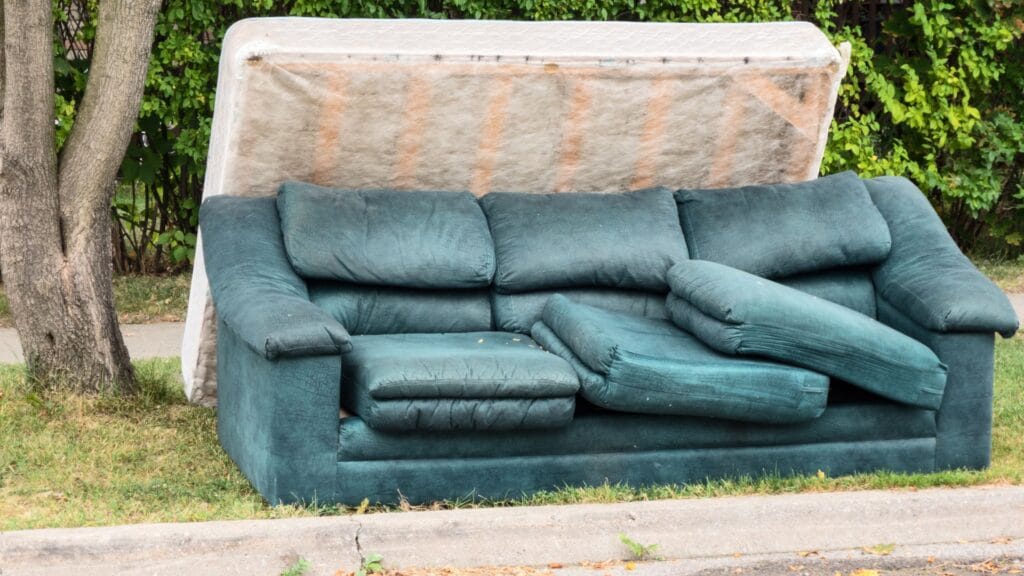
Donation carries another subtle benefit—it creates goodwill. Companies that share resources within their community establish stronger ties with the people around them. Employees also tend to feel proud working for a business that gives back. Coordinating donation requires effort, such as arranging transportation and verifying what organizations accept specific items, but the result is a mutually beneficial solution.
Utilizing Professional Junk Removal Services
There comes a point when handling unwanted furniture in-house is no longer practical. Heavy desks, conference tables, and filing cabinets can be awkward to move without the right equipment. This is where professional junk removal services become essential. Experienced crews know how to safely lift, transport, and dispose of large commercial items quickly. Businesses save time and avoid workplace injuries that might occur when employees attempt to move bulky furniture themselves.
Hiring professionals also streamlines the process. Instead of coordinating multiple disposal methods or struggling with transportation, a removal team manages everything from start to finish. Many services sort items for recycling, disposal, or donation, reducing the environmental impact. For companies focused on efficiency, this is often the most cost-effective and stress-free choice. By outsourcing the labor, businesses can focus on their operations while knowing their space will soon be clutter-free.
Preparing Furniture for Efficient Pickup
Preparation makes removal far easier for both the business and the team handling the process. Disassembling large pieces ahead of time can save hours. Desks with detachable legs, conference tables that break into sections, or modular shelving units can be made manageable with just a few simple tools. Clearing walkways is also important. Narrow halls and cluttered corners make moving furniture dangerous and time-consuming. A clear path ensures items can be carried out without damage to walls or flooring.
It is also smart to label items clearly so that removal teams know exactly what needs to go. Businesses sometimes have employees working in the same space during removal, and clear labeling helps avoid confusion. Preparing furniture for pickup is not only about speed—it is about safety and accuracy. The more organized the business is before removal day, the smoother the process unfolds.
Understanding Local Disposal Regulations
Every city or county has its own set of rules regarding how unwanted furniture should be disposed of. Some locations may restrict certain materials from being placed at curbside. Others might require permits for large-scale pickups. Ignoring these regulations can lead to fines or delays, both of which cause unnecessary stress for businesses already trying to manage a transition. Doing a little research in advance prevents headaches later on.
Some municipalities partner with recycling facilities or bulk waste centers, creating official drop-off points. In other cases, only licensed haulers are allowed to handle large commercial disposals. Understanding these rules is particularly important for businesses planning a move. Regulations often vary between jurisdictions, and what is acceptable in one area might be prohibited in another. Staying informed ensures compliance and keeps the process professional. By respecting local disposal requirements, businesses protect themselves while maintaining a responsible image in the community.
Maximizing Office Space After Removal
Clearing out unused furniture is not the end of the process—it is the beginning of opportunity. Once large desks, filing cabinets, and outdated chairs are gone, the office floor opens up. Suddenly, there is room for collaborative workstations, lounge areas, or upgraded technology hubs. With less clutter, employees experience more freedom of movement, and the workspace feels lighter and more productive. Space that once served as a storage zone can become a new meeting room or break area.
Maximizing office space after removal requires vision. It is not just about filling the empty square footage but about designing a layout that supports modern work styles. Flexible furniture arrangements, open seating plans, and creative storage solutions can transform a previously overcrowded office into a vibrant environment. Removal of old furniture is the first step, but reimagining the possibilities brings long-term value to the business. An uncluttered office becomes a foundation for growth, creativity, and innovation.
Reducing Costs Through Strategic Removal Choices
Furniture removal might seem like a straightforward cost, but strategy can lower expenses. Coordinating with local recycling programs or donation centers can eliminate disposal fees. Selling gently used items through online marketplaces or liquidation channels can also generate unexpected returns. Businesses willing to put in a little extra planning often discover that unwanted furniture carries hidden value.
Another way to reduce costs is by combining multiple removal tasks into one scheduled pickup. Instead of arranging separate services for furniture, electronics, and general clutter, bundling everything together cuts down on fees and labor charges. Strategic decision-making transforms removal from a burden into a manageable investment. When done carefully, the process not only clears space but also saves money. For businesses trying to balance efficiency and cost, thoughtful planning makes all the difference. Smart choices during removal keep budgets intact while delivering the clean slate every workspace needs.
Creating a Long-Term Furniture Management Plan
Getting rid of unwanted furniture once solves an immediate problem, but planning for the future prevents clutter from returning. Establishing guidelines for how furniture is purchased, maintained, and eventually retired ensures the cycle stays under control. For instance, adopting modular or lightweight furniture makes future removal easier. Scheduling regular evaluations of office furnishings can prevent buildup before it becomes overwhelming.
A long-term plan also benefits budgeting. Instead of facing large, unexpected expenses every few years, businesses can spread costs evenly over time. This proactive approach allows companies to maintain a modern and organized workspace without the sudden stress of massive cleanouts. The most successful workplaces think beyond today’s removal and look toward sustainable management. By setting policies now, businesses can enjoy a consistently functional environment that avoids the pitfalls of excess furniture in the years ahead.
Conclusion
Clearing out old furniture from a commercial space is more than just a cleanup—it is a chance to refresh the workplace and unlock hidden potential. With careful planning, eco-friendly practices, and smart timing, the process can be smooth and beneficial. Donation options and professional junk removal services offer reliable paths to declutter without unnecessary stress. Once furniture is gone, businesses often discover valuable opportunities to reimagine their office layouts and create a more functional atmosphere for employees and clients alike.
For businesses ready to make that transition, support is available. Bee Gone Junk Removal in South Lyon MI provides dependable junk removal services designed to handle the heavy lifting while respecting both time and budget. To get started, contact them directly at 734-355-9918 or send an email to beegonejunkremoval@gmail.com. A clutter-free commercial space is within reach, and with the right help, the process becomes less about stress and more about building a fresh future.