
When preparing for a warehouse cleanout, the first thing to recognize is the sheer scale of the task. Unlike smaller spaces, warehouses often contain decades’ worth of accumulated equipment, unused furniture, outdated inventory, and even forgotten machinery tucked into corners. Before any actual removal takes place, a detailed walkthrough is essential. This helps in mapping out problem areas, identifying potential hazards, and prioritizing which sections to tackle first. It also clarifies the difference between what needs to be disposed of and what can be salvaged, recycled, or donated.
Another important element in understanding the scope is accounting for the physical layout. High shelving, large pallets, or industrial equipment can create unexpected obstacles. Knowing this early ensures the team arrives with proper tools and equipment to handle oversized or heavy objects safely. A realistic picture of the workload sets expectations from the beginning and prevents delays once the cleanout is underway.
Preparing the Warehouse for the Cleanout Process
Before hauling begins, preparation plays a key role in the smooth execution of a warehouse cleanout. This stage involves organizing staff, clearing pathways, and labeling items to differentiate between what stays and what leaves. Often, businesses underestimate the time it takes just to prepare for removal, but the groundwork can make all the difference in efficiency. Simple steps like taping off restricted zones, moving essential operations to another section, and staging items for collection cut down on confusion.
Preparation also means addressing safety concerns in advance. Loose wires, leaking containers, or unstable shelving can create risks for both workers and removal crews. Fixing these issues ahead of time minimizes accidents. Having a clear preparation plan saves both time and money, ensuring the cleanout team can move quickly without pausing for preventable setbacks. With preparation handled properly, the process begins on solid footing.
Identifying Items for Disposal and Recycling
A major aspect of any warehouse cleanout lies in carefully deciding what to dispose of and what can be recycled or repurposed. Warehouses often hold materials that still have value if handled correctly, from scrap metal and wooden pallets to electronics and outdated office furniture. Sorting through these items with an eye for recycling helps reduce landfill waste while ensuring that useful resources do not go to waste.
The identification stage is also crucial for handling regulated materials. Certain chemicals, paints, or electronics must be processed according to environmental guidelines. Recognizing these items upfront avoids costly mistakes later. A clear division between recyclables, hazardous waste, and general junk guarantees that everything ends up in the right place. When managed properly, the cleanout becomes more than just disposal—it turns into a responsible, sustainable process that benefits both the business and the environment.
Managing Large Equipment and Heavy Materials
One of the biggest challenges during a warehouse cleanout is figuring out how to deal with oversized machinery, shelving units, or heavy pallets stacked with materials. These are not items that can simply be lifted and carried out by hand. Specialized equipment such as forklifts, pallet jacks, or industrial dollies is often required. Knowing in advance what equipment is needed prevents slowdowns once the cleanout team is in motion.
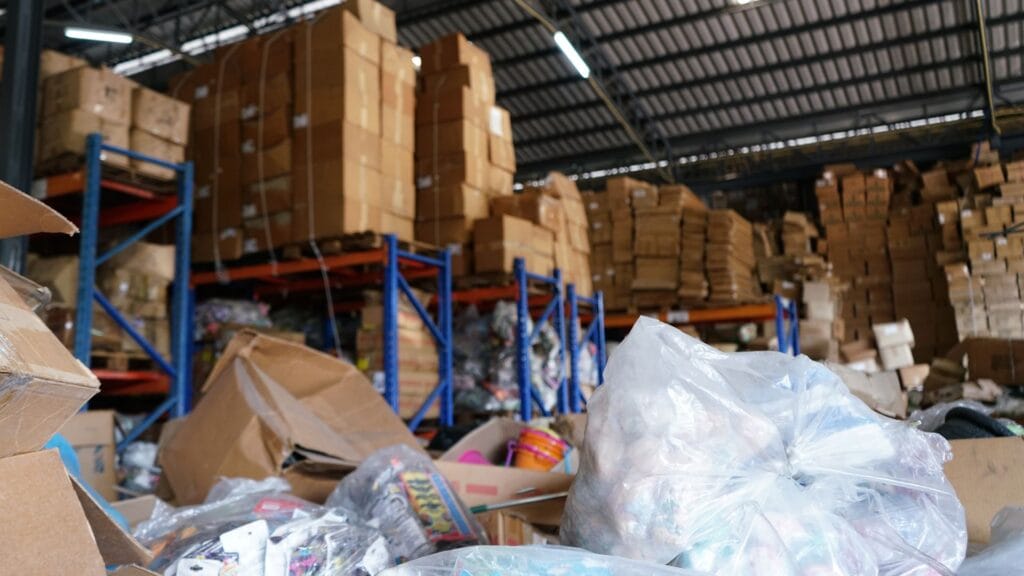
Safety becomes even more important when handling these heavy items. Workers must be trained on proper lifting techniques and machinery operation to avoid injuries. In many cases, large equipment needs to be disassembled before it can be removed from the building. Taking this step saves time and prevents damage to walls, doors, or floors. Proper planning for heavy equipment removal is what separates a smooth cleanout from a chaotic one.
Coordinating with Cleanout Professionals
While some warehouse managers may be tempted to handle the cleanout with in-house staff, professional crews bring unmatched expertise. Their experience allows them to anticipate challenges, from navigating tight spaces with oversized items to disposing of regulated waste properly. By coordinating closely with these specialists, businesses can avoid mistakes that could slow down the project or create safety risks.
Coordination is also about communication. Outlining timelines, setting clear goals, and providing access instructions ensures everyone works toward the same objective. A strong partnership between the business and the cleanout professionals keeps the process moving without unnecessary interruptions. With both parties aligned, even the most daunting warehouse cleanout becomes manageable and efficient.
Ensuring Safety During the Cleanout Process
Warehouse environments pose unique safety challenges, making careful planning essential. Dust, uneven flooring, sharp debris, and unstable shelving can all create hazards. Cleanout crews often arrive with protective gear such as gloves, masks, and helmets to safeguard against these risks. Identifying problem areas in advance reduces the chance of injury.
Another important safety measure involves keeping the worksite organized throughout the cleanout. Piles of debris or narrow passageways can quickly become accident zones. Regularly clearing out sections as the work progresses creates a safer environment. Safety meetings at the start of each day keep teams aware of risks and reinforce best practices. Protecting both workers and the property ensures the project is completed without incident.
Handling Hazardous and Regulated Materials
Warehouses often store more than just basic inventory—they may contain chemicals, batteries, paints, or electronics that require careful handling. These materials cannot be discarded alongside ordinary waste. Regulations exist for a reason, and failing to comply can result in penalties or environmental harm. Recognizing hazardous items early is the key to handling them safely.
Special disposal channels are often necessary, whether it involves recycling electronics through certified facilities or neutralizing chemicals before disposal. Professional teams bring knowledge and resources for dealing with these items responsibly. When hazardous materials are handled correctly, the cleanout process remains compliant, efficient, and environmentally safe. This is one stage of the process where expertise is not optional but absolutely essential.
Minimizing Downtime for Business Operations
One concern many businesses have about warehouse cleanouts is how the process will affect daily operations. After all, warehouses often serve as the central hub of distribution or storage. Prolonged downtime can disrupt business flow and create unnecessary stress. Planning the cleanout in phases helps reduce disruption by keeping certain sections operational while others are being cleared.
Scheduling also plays a huge role in minimizing downtime. Choosing weekends, evenings, or slower business periods for major removal tasks can significantly cut the impact. Clear communication with staff and coordinated planning between managers and cleanout teams ensures operations continue smoothly, even while large portions of the space are being cleared out.
The Timeline of a Typical Warehouse Cleanout
Understanding the timeline of a warehouse cleanout can help set realistic expectations. The process usually begins with an assessment, followed by sorting, preparation, and then actual removal. Each stage requires careful attention, and depending on the warehouse size, the timeline can stretch from a couple of days to several weeks. The larger the facility, the more complex the project becomes.
Delays often occur when items are not pre-sorted, or when unexpected hazards arise. Having a flexible but well-structured timeline avoids frustration and ensures the project stays on track. Knowing the steps in advance allows managers to coordinate their schedules accordingly and ensures all necessary resources are available at the right time.
The Benefits of a Thorough Cleanout
Completing a warehouse cleanout provides benefits beyond just having a tidier space. Removing clutter opens up room for better organization, improved safety, and more efficient operations. It also helps businesses identify what resources they truly need, eliminating wasted storage costs on unnecessary items. A clean and organized warehouse can improve employee morale by creating a safer and more manageable work environment.
In addition, a thorough cleanout lays the groundwork for growth. Whether preparing for new equipment, reorganizing workflows, or creating extra storage capacity, the cleared space becomes a foundation for future efficiency. The benefits extend far beyond aesthetics, directly impacting how effectively a business can operate moving forward.
Conclusion
A warehouse cleanout is more than just clearing out junk. It is a carefully managed process that involves planning, safety considerations, and efficient execution. From dealing with large machinery to ensuring compliance with regulations for hazardous materials, every detail matters. With a proper strategy, businesses can minimize downtime, reduce risks, and make the most of the newly cleared space.
For those seeking professional assistance, Bee Gone Junk Removal in South Lyon MI offers dependable support. Their team brings the right tools, knowledge, and expertise to handle projects of all sizes. Whether it’s recycling, disposal, or simply making space for future growth, their services ensure a stress-free experience. Contact them today at 734-355-9918 or by email at beegonejunkremoval@gmail.com to schedule your warehouse junk removal and reclaim valuable space with confidence.