
Closing a business is a complex endeavor that extends far beyond signing papers and turning off the lights. One critical yet often overlooked aspect is managing the accumulation of junk and leftover materials that inevitably gather over years of operations. Efficiently removing these items is not just about reclaiming space; it’s about ensuring safety, maintaining compliance, and presenting the property in a condition that facilitates potential sales or leases.
The process of junk removal during a business closure demands a careful balance between speed and responsibility. Environmental considerations, donation opportunities, and recycling options must all be weighed alongside cost and convenience. Improper disposal can lead to legal complications, safety hazards, or missed opportunities to repurpose valuable materials.
Understanding the Scope of Your Business Closure
Before embarking on the physical process of removing accumulated items, it’s crucial to conduct a thorough assessment of your business space. Walking through every area, from offices to storage rooms, helps identify items that require disposal, donation, or recycling. This initial evaluation allows you to categorize materials, determine the level of effort needed, and allocate resources effectively. Ignoring this step may result in overlooked junk that can create logistical headaches or even safety hazards later.
A well-documented inventory is another key component in understanding the scope of your closure. Categorizing furniture, electronics, documents, and miscellaneous items ensures nothing is mistakenly discarded or left behind. Labeling items for recycling, donation, or disposal streamlines subsequent steps and provides clarity for staff or contractors involved in the removal.
Creating a Strategic Junk Removal Plan
An effective junk removal strategy begins with a clear timeline and structured plan. Establishing deadlines for each stage of removal keeps operations on track and prevents last-minute scrambling. It’s important to prioritize high-traffic areas and spaces that must be cleared first for inspections, maintenance, or new tenants. This approach not only organizes the process but also reduces the risk of items being overlooked or improperly disposed of during a hectic business closure.
Strategic planning also involves logistical considerations, such as transportation, waste management regulations, and safety protocols. Scheduling pickups with licensed junk removal companies, arranging temporary storage for items that require sorting, and understanding local disposal regulations help avoid fines or delays. Incorporating flexibility in your plan allows adjustments in case of unexpected challenges, such as oversized equipment or hazardous materials.
Prioritizing Safety and Compliance
Safety is paramount during any large-scale junk removal effort, especially in a business closure scenario where spaces may contain heavy equipment, sharp objects, or outdated electronics. Ensuring that all personnel wear appropriate protective gear and follow proper lifting techniques prevents injuries and maintains a safe working environment. Designating specific areas for sorting and temporarily storing hazardous materials further reduces the risk of accidents.
Compliance with local, state, and federal regulations is equally important. Certain materials, such as electronics, chemicals, and confidential documents, must be disposed of according to legal guidelines. Ignoring these requirements can result in fines or legal complications, which can prolong the closure process and damage the business’s reputation. Partnering with professionals who understand disposal regulations ensures that hazardous or sensitive items are managed correctly.
Identifying Items for Donation and Recycling
Not every item in your business closure pile needs to end up in a landfill. Many materials can find new life through donations or recycling programs. Furniture, office supplies, and electronics in good condition can be given to charities, non-profits, or schools. This approach not only reduces disposal costs but also contributes positively to the community and extends the useful life of functional items. Identifying these opportunities early in the process allows for smoother logistics and minimizes wasted time during the final stages of business shutdown.
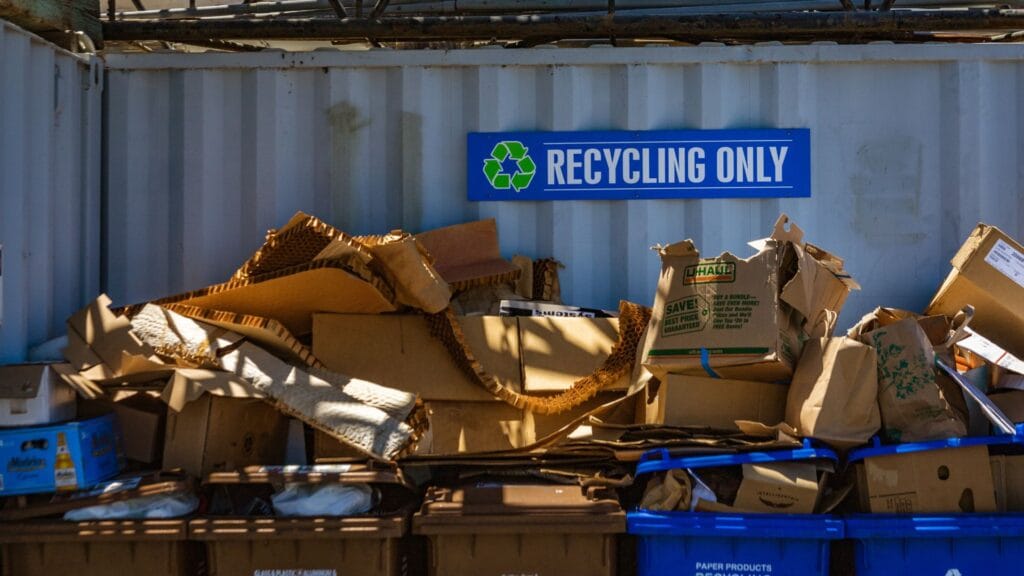
Recycling is another essential consideration for sustainable junk removal. Items such as paper, cardboard, metal, and plastics should be separated and directed to appropriate recycling facilities. Electronics, in particular, often contain components that can be hazardous if improperly disposed of but are valuable for recycling. Creating clearly marked collection points and partnering with certified recycling services ensures materials are handled responsibly.
Handling Hazardous and Sensitive Materials
During a business closure, hazardous and sensitive materials present unique challenges that require special attention. Chemicals, cleaning agents, and certain electronic components must be managed in compliance with safety and environmental regulations. Improper handling can cause serious harm to employees, contractors, and the environment, and may result in legal penalties. Identifying these items early and designating a secure area for storage before disposal or recycling ensures that these materials are not accidentally mixed with general waste or overlooked in the rush to clear space.
Sensitive data and confidential documents are another critical category. Shredding, secure disposal, or professional document destruction services are essential for protecting company and client information. Failure to properly manage sensitive materials can result in breaches of privacy laws and damage the business’s credibility. Coordinating with certified disposal services ensures that hazardous and sensitive items are addressed responsibly and safely.
Efficiently Managing Large Furniture and Equipment
Large furniture and office equipment often represent some of the most cumbersome challenges during a business closure. Cumbersome desks, shelving units, and heavy machinery require careful planning for safe transport and removal. Attempting to move these items without proper preparation can lead to injury or property damage, making professional assistance a worthwhile investment. Understanding the weight, dimensions, and potential hazards of large items enables business owners to schedule the right equipment, personnel, and removal vehicles to handle them efficiently and safely.
Disassembling large items when possible can also streamline the removal process. Labeling parts, storing hardware, and grouping components helps prevent loss and confusion during transport. Coordinating timing with removal services ensures that items are moved out in a logical sequence, avoiding bottlenecks or cluttered pathways. By approaching large furniture and equipment strategically, businesses can accelerate the closure process, reduce labor costs, and ensure that all materials are handled responsibly, paving the way for a cleaner, safer, and more organized space.
Documenting the Removal Process
Keeping detailed records of the junk removal process can simplify legal compliance, accounting, and future planning. Photographing spaces before and after cleanup, maintaining inventories of items removed, and documenting disposal or donation transactions provides transparency and accountability. These records can serve as proof for tax deductions related to donations, evidence for environmental compliance, and reference material for any disputes that might arise during or after the closure.
Digital tools and project management software can further enhance documentation. Assigning responsibilities, tracking timelines, and logging completed tasks helps maintain order and provides clarity to everyone involved. Clear documentation also supports communication with professional removal services, ensuring expectations are aligned and minimizing misunderstandings.
Collaborating with Professional Junk Removal Services
Professional junk removal services bring expertise, equipment, and efficiency that can dramatically reduce the burden of a business closure. These companies are trained to handle everything from heavy furniture to sensitive documents, ensuring that items are removed safely and disposed of responsibly. By leveraging professional assistance, business owners can save time, reduce stress, and avoid potential injuries or regulatory issues associated with do-it-yourself removal.
Choosing the right removal partner requires assessing experience, certifications, and commitment to environmental responsibility. A professional service that offers recycling, donation coordination, and safe disposal of hazardous materials ensures a comprehensive approach. Clear communication regarding timelines, responsibilities, and pricing allows business owners to plan with confidence.
Optimizing Time and Resources
Time is a critical factor during a business closure, and efficient junk removal plays a major role in optimizing the overall process. Coordinating schedules for pickups, disposal, and donation deliveries ensures that each stage of removal proceeds without delays. Allocating human resources strategically, assigning tasks based on strengths, and incorporating professional help when necessary maximizes productivity. Efficient use of time prevents the last-minute rush that can lead to mistakes, overlooked items, or unsafe practices, ensuring that the closure proceeds smoothly.
Resource optimization also involves cost management and environmental responsibility. Consolidating items, minimizing trips, and choosing removal methods that reduce waste contribute to both financial savings and sustainability. By planning removal sequences, utilizing professional services when beneficial, and leveraging donation and recycling opportunities, businesses can complete closures efficiently and responsibly.
Preparing the Space for Final Inspection or Sale
Once the bulk of junk has been removed, attention must turn to the condition of the space itself. Cleaning, minor repairs, and organization are essential to present the property professionally for inspections, potential buyers, or new tenants. Ensuring that floors are clear, walls are free of obstructions, and hazardous areas are addressed enhances the perceived value of the property. Completing these final touches helps create a seamless handover, reinforcing the professionalism of the departing business.
Final inspections may also require documentation, such as before-and-after photos, disposal records, or certifications of hazardous material handling. Preparing the space carefully ensures compliance with lease agreements or sale contracts and reduces the likelihood of disputes. A thorough, organized, and well-documented approach to the final stages of closure instills confidence in all parties involved.
Conclusion
Effectively managing junk removal during a business closure requires planning, foresight, and the right partnerships. From assessing the scope of accumulated items to coordinating donations, recycling, and safe disposal of hazardous materials, each step is integral to a smooth and responsible transition. Employing strategic scheduling, proper documentation, and professional removal services ensures efficiency, safety, and compliance throughout the closure process.
Partnering with a trusted service like Bee Gone Junk Removal in South Lyon, MI, can transform a daunting task into a seamless operation. With expertise in handling large-scale removals, environmentally responsible disposal, and meticulous attention to detail, they provide reliable support throughout every stage of a business closure. To schedule efficient junk removal services or learn more, contact Bee Gone Junk Removal at 734-355-9918 or via email at beegonejunkremoval@gmail.com. By leveraging professional assistance, businesses can close responsibly, safely, and with peace of mind, ensuring that every item is handled appropriately and the property is left in optimal condition.