
Electronic devices have become part of nearly every aspect of life. Phones, laptops, and televisions hold not only convenience but also hidden hazards. When these items reach the end of their life, they cannot simply be tossed into the trash without consequence. Inside them are metals, chemicals, and plastics that can seep into soil and water if left to rot in landfills. The damage extends beyond clutter, becoming a hidden risk to ecosystems and communities alike.
Choosing a safe path for electronics disposal means more than keeping a tidy space. It is a step toward reducing toxic waste and recovering useful materials that can be repurposed. The right choice benefits both households and the environment. A small decision about where your old devices end up has the potential to influence future generations. Awareness is the first spark that leads to meaningful change.
The Environmental Risks of Improper Electronic Disposal
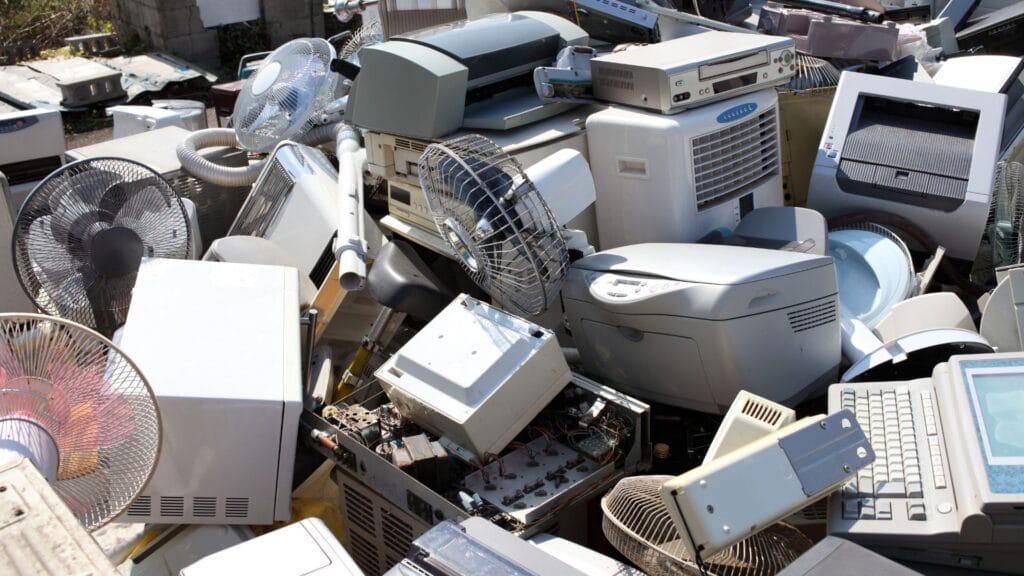
When an old device is abandoned in the trash, its journey does not end there. Landfills fill with countless discarded gadgets, each carrying substances that quietly spread into surrounding areas. Lead, mercury, and cadmium are only a few examples of materials that can seep out, poisoning soil and waterways. Over time, these elements disrupt natural balances, harming plants, animals, and human health. The unseen consequences multiply, creating an urgent reason to rethink careless disposal.
Improper disposal also wastes valuable materials. Inside those devices lie copper, gold, and other reusable metals that are lost forever when buried. Recycling and responsible removal give those resources a second life instead of allowing them to vanish into the ground. By understanding these risks, individuals begin to recognize that throwing away electronics is not a simple act but one with far-reaching impacts.
Recycling Programs as a Safe Option for Electronics
Many communities now offer specialized recycling programs designed for electronic waste. These programs collect devices, separate components, and process them in safe facilities that prevent toxins from leaking into the environment. Through this approach, metals and plastics are recovered and reintroduced into manufacturing. The cycle reduces the need for mining and conserves resources while protecting the environment from hazardous exposure.
Bringing electronics to an approved recycling center is straightforward and often free. The act turns disposal into a conscious decision that keeps homes uncluttered and ecosystems unharmed. Participation in such programs sends a clear message about responsibility. It demonstrates an understanding that waste should not be hidden but managed carefully for the good of the planet. Safe recycling ensures that the story of your old device does not end with pollution but continues with renewal.
Donation as a Meaningful Path for Old Devices
Sometimes the end of use for one person is only the beginning for someone else. Old electronics in working order can find new purpose through donation. Schools, community centers, and nonprofits often welcome devices that can still perform basic tasks. For them, what you no longer need can serve as a valuable tool that supports education and access to technology.
Donating not only extends the life of a device but also prevents unnecessary waste. It gives families or organizations a chance to benefit while sparing the environment the burden of additional disposal. Choosing donation means looking beyond your own needs and considering the broader community. It transforms an old phone or laptop from clutter into opportunity, creating ripple effects that stretch beyond your own household.
Professional Services for Safe Electronics Disposal
For many homeowners, the challenge lies not in deciding to dispose but in managing how to do it. Electronics are often bulky, heavy, or awkward to transport. Professional services provide a solution by offering safe collection and removal. Trained teams understand how to handle sensitive materials without risking damage or contamination, ensuring that every item is dealt with responsibly.
Using a professional service also provides peace of mind. Instead of worrying about where your old television or computer monitor will end up, you know it is being directed to appropriate recycling or disposal channels. These services eliminate the stress of guesswork and guarantee compliance with environmental standards. Professional help turns a potentially frustrating task into a smooth, responsible process.
Preparing Your Electronics Before Disposal
Before parting with any electronic device, preparation is essential. Data stored on computers, phones, and tablets can linger long after you think it is gone. Clearing personal files and performing factory resets protects privacy and prevents information from falling into the wrong hands. This simple step ensures that recycling or donation does not compromise security.
Beyond data, preparation includes organizing cords, removing batteries, and separating accessories. Many disposal programs require batteries to be handled separately due to their potential fire risks. Taking time to prepare devices properly makes the disposal process smoother for both you and the professionals who will handle them. Preparation is not only about safety but about respect for those who manage the next stage of a device’s journey.
Understanding Hazardous Components in Electronics
Electronics may appear harmless on the outside, but within them lie substances that can cause serious harm. Circuit boards often contain lead solder, and older monitors may hide mercury-filled components. Even rechargeable batteries can become dangerous if punctured or exposed to heat. Recognizing that these elements are hazardous changes how one views disposal. It is not simply throwing something away but handling potential risks.
Awareness of these hidden dangers reinforces the need for safe disposal methods. Recycling centers are equipped to dismantle and neutralize hazardous parts safely. Without such care, these materials can escape into the environment where they remain for decades. Knowledge about these risks empowers individuals to act responsibly. Safe handling is not optional but essential when dealing with the complex makeup of electronics.
The Role of Technology Manufacturers in Disposal
Manufacturers play a significant role in shaping how electronics are disposed of. Many companies now offer take-back programs, inviting customers to return old devices when purchasing new ones. These programs ensure that products are recycled through safe, controlled processes, closing the loop between consumer use and responsible disposal. This responsibility reflects a growing awareness within the industry that waste cannot be ignored.
When customers choose manufacturers that prioritize sustainable practices, they support a culture of accountability. These programs encourage businesses to design products with recycling in mind, further reducing long-term environmental impacts. By participating, consumers make a powerful statement about their values. The relationship between buyers and manufacturers extends beyond purchase into shared responsibility for a cleaner future.
Creative Ways to Repurpose Old Electronics
Not all electronics need to be discarded immediately. Some can be repurposed in creative ways that extend their usefulness. An old smartphone, for example, can be transformed into a dedicated music player or security camera. Tablets can serve as digital picture frames or be repurposed as e-readers. These small reinventions keep devices out of landfills while providing continued utility.
Repurposing sparks imagination and encourages sustainability. It shows that not every outdated item must become waste. Sometimes, with a bit of creativity, old gadgets find surprising new roles that add value to daily life. While not a substitute for safe recycling when devices truly fail, repurposing offers a temporary and practical solution. It reminds us that resourcefulness can complement responsibility in meaningful ways.
Building Habits for Responsible Electronics Disposal
Safe electronics disposal becomes easier when approached as a habit rather than a one-time event. Setting aside a place in the home for unused gadgets prevents clutter and creates a reminder to dispose of them responsibly. Regularly reviewing what is no longer needed keeps small piles from becoming overwhelming stacks. Habits built around organization lead naturally to thoughtful disposal.
Communities also benefit when responsible disposal becomes a shared practice. Awareness spreads when people talk about where they recycle or donate, influencing neighbors and friends. What begins as one household’s effort can inspire many others to follow. Building habits around safe disposal is more than personal discipline; it is a contribution to collective change. Responsibility grows when individuals treat safe disposal as part of everyday life.
Conclusion
Disposing of old electronics safely is both a responsibility and an opportunity. It prevents harmful toxins from leaking into the environment, preserves valuable resources, and supports a cleaner, healthier future. Whether through recycling programs, donation, professional services, or creative repurposing, every method chosen with care makes a difference. The impact of each decision extends far beyond the household, contributing to a broader culture of responsibility.
For those seeking reliable help, Bee Gone Junk Removal in South Lyon, MI provides trusted solutions for electronics and other junk removal needs. Their expertise ensures that items are handled with care, protecting both personal security and environmental well-being. Reach them at 734-355-9918 or email beegonejunkremoval@gmail.com to take the next step toward safe and responsible disposal. Choosing the right partner makes the process easier while ensuring your choices leave a positive mark.