
Hot tubs, though designed for relaxation, can pose serious environmental challenges when discarded improperly. The materials used in hot tubs, including acrylic, fiberglass, and various metals, do not break down easily in landfills. Simply abandoning or tossing a hot tub without proper disposal leads to the accumulation of non-biodegradable waste, which contaminates soil and water. Chemicals used in hot tub maintenance, such as chlorine and bromine, can leach into surrounding environments if the tub is left exposed, creating hazards for wildlife and plants.
Proper disposal also involves understanding local regulations and recycling programs. Many municipalities have specific rules about bulk waste removal, particularly for items containing chemicals or electronics, like heated tubs. Engaging a professional disposal service ensures compliance with these regulations, avoiding fines and unnecessary environmental strain. It also maximizes the recovery of recyclable materials such as steel, copper, and plastics.
Avoiding Safety Hazards During Hot Tub Removal
Hot tubs are bulky, heavy, and often awkward to maneuver, making them a potential source of injury if not handled properly. Lifting or transporting a hot tub without the correct equipment or knowledge can lead to muscle strains, back injuries, and accidents. Additionally, leftover water can cause slips, while electrical components present a risk of shock if not properly disconnected. Awareness of these dangers underscores the importance of proper removal practices. Safe disposal requires planning, teamwork, and sometimes specialized tools to safely dismantle the tub, drain water, and remove all electrical connections.
Professional services not only address the physical risks but also handle chemical residues safely. Water treatment agents and sanitizers, if mishandled, may irritate skin or eyes and can damage surfaces during removal. A careful, systematic approach reduces these hazards while ensuring that materials are sorted for recycling or disposal correctly. Moreover, proper lifting techniques, protective gear, and suitable transportation equipment prevent strain injuries.
Maximizing Space Through Responsible Disposal
An unused or broken hot tub occupies a substantial footprint in a backyard or garage area. Allowing it to linger limits space for other outdoor activities, gardening, or home improvements. By disposing of the hot tub properly, homeowners reclaim valuable real estate and enhance the usability of their property. This newfound space can be repurposed for leisure, landscaping, or even constructing new features such as patios or sheds. Moreover, a clutter-free environment contributes to mental clarity and a sense of order, transforming a once-bulky eyesore into a functional extension of living space.
Beyond reclaiming space, responsible disposal ensures that large items do not obstruct pathways or create hazards for family members and pets. Properly dismantled and removed hot tubs eliminate obstacles, improve accessibility, and reduce stress associated with cluttered environments. This is particularly crucial in urban or suburban settings where outdoor space is limited. The process may also inspire further organization, encouraging homeowners to evaluate other seldom-used items.
Recycling Opportunities and Material Recovery
Hot tubs are composed of a variety of materials, many of which are recyclable. Metals such as copper wiring and steel frames can be repurposed, while plastics and acrylic surfaces can be processed for reuse in other products. By engaging a professional removal service, homeowners can ensure these materials are sorted correctly and diverted from landfills. Recycling reduces environmental stress and supports a circular economy, where discarded items are given a second life rather than contributing to waste accumulation. This approach exemplifies sustainable living, where conscious choices minimize ecological impact while preserving valuable resources.
Furthermore, certain components, like jets, pumps, and heaters, can be refurbished or sold, extending their lifecycle beyond the original installation. This not only reduces waste but can provide modest financial returns or benefits to secondary markets. Recovering these materials requires careful dismantling and knowledge of local recycling regulations, which professional services provide. Homeowners who attempt DIY disposal may inadvertently mix recyclable and non-recyclable components, undermining environmental efforts.
Preventing Legal and Financial Consequences
Improper disposal of hot tubs can result in legal repercussions and financial penalties. Municipalities often impose strict rules governing the removal of large, chemical-laden items, and violations can incur fines or additional fees. Abandoning a hot tub on private or public property is considered illegal dumping, exposing homeowners to liability and enforcement actions. Proper disposal ensures compliance with local ordinances and avoids these unnecessary costs. By understanding regulations and using licensed disposal services, individuals mitigate risk while achieving safe and efficient removal.
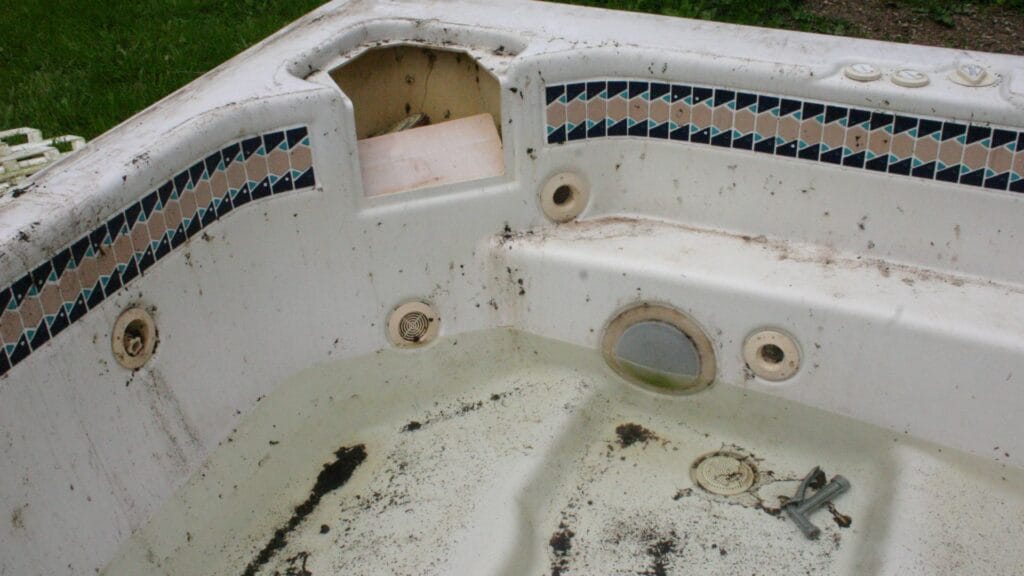
Engaging professional services is a proactive step to protect both property and finances. Licensed removal companies handle permits, transport, and documentation as needed, providing peace of mind and minimizing exposure to fines. This compliance-focused approach underscores the value of expertise in managing bulky, regulated items. Homeowners can avoid the hidden costs of fines, damage, or environmental cleanup that arise from improper disposal.
Minimizing Stress and Physical Strain
Disassembling and disposing of a hot tub is physically demanding and logistically complex. Heavy lifting, navigating narrow spaces, and managing water and electrical systems place a significant burden on homeowners. Attempting this alone can lead to fatigue, frustration, and potential injury. Proper disposal strategies, including professional support, alleviate these stressors by providing structured, efficient processes. With trained teams handling the heavy lifting and safe transport, homeowners experience less physical strain and enjoy a smoother removal process.
Additionally, organized removal reduces time commitment, allowing homeowners to focus on other responsibilities or enjoy the reclaimed space sooner. The mental load of planning, dismantling, and hauling a bulky item is eased through professional intervention. This approach also mitigates unexpected challenges, such as navigating tight driveways or disposing of leftover water and chemicals.
Enhancing Property Value Through Clean Removal
A neglected hot tub can detract from the visual appeal of a home, especially when selling or hosting visitors. Proper disposal enhances property aesthetics by removing worn or unsightly equipment, creating a cleaner, more appealing environment. Prospective buyers often appreciate open, functional outdoor spaces, and removing old structures like hot tubs can significantly boost perceived value. Clean, responsible removal signals care and attention to property maintenance, reflecting positively on homeowners.
The benefits extend to neighborhood perception and community standards. A properly disposed hot tub contributes to a tidy, well-maintained outdoor space, preventing potential hazards and unsightly clutter. Homeowners may also find that removal frees up areas for gardens, patios, or recreation, further enhancing desirability. By investing in professional disposal, residents not only protect their property value but also contribute to a more pleasant and organized community environment.
Protecting Local Ecosystems from Chemical Exposure
Hot tubs often contain residual chemicals that, if improperly disposed of, can seep into soil and waterways. Chlorine, bromine, and other treatment agents are toxic to plants, aquatic life, and soil organisms. Neglecting these chemicals during disposal can create long-lasting ecological harm, including water contamination and disruption of local habitats. Safe disposal involves draining water responsibly, neutralizing chemicals when necessary, and ensuring no harmful substances reach the environment.
Professional disposal services prioritize environmental protection by following protocols for chemical handling and water disposal. They ensure that any remaining sanitizers or additives are neutralized, preventing accidental contamination. This process is critical in areas with sensitive ecosystems or dense populations where environmental hazards are magnified. Homeowners who ignore chemical management risk long-term damage and potential legal consequences.
Efficient Scheduling and Logistics for Hot Tub Removal
Coordinating the removal of a hot tub involves logistical planning, from arranging transport to navigating access points. Attempting to schedule this task independently can be time-consuming and inefficient, particularly if the tub is large or situated in difficult-to-access locations. Proper disposal emphasizes the importance of planning, whether through hiring professionals or adhering to municipal bulk waste schedules. Efficient scheduling ensures that the hot tub is removed safely, legally, and without unnecessary delays.
Logistics also include proper dismantling, sorting of components, and appropriate disposal channels for metals, plastics, and chemicals. Ignoring these aspects can result in delays, damage to property, or missed recycling opportunities. A strategic approach guarantees that removal is handled comprehensively, reducing environmental impact and simplifying the task for homeowners.
Cost-Effective Benefits of Professional Disposal
While some homeowners may perceive DIY hot tub disposal as a way to save money, the hidden costs often outweigh the apparent savings. Renting equipment, purchasing protective gear, managing transportation, and handling disposal fees can quickly accumulate. Engaging professional services, on the other hand, consolidates these expenses into a predictable, all-inclusive cost. The value lies not only in convenience but in avoiding unexpected financial burdens associated with damage, fines, or failed attempts to transport the tub.
Moreover, professionals can identify opportunities to recover value from the tub’s components, whether through recycling or resale, potentially offsetting costs. They provide a structured process that minimizes risk while maximizing efficiency, protecting both financial and personal resources. By considering the full scope of effort, risk, and potential savings, homeowners often find that professional disposal is not merely an expense but a prudent choice that delivers tangible benefits.
Conclusion
Proper hot tub disposal is essential for environmental safety, personal well-being, and legal compliance. The challenges of removing bulky, chemical-laden tubs encompass physical strain, chemical hazards, logistical complexities, and environmental considerations. By addressing these issues through professional services, homeowners ensure safe, efficient, and eco-conscious removal, reclaiming space, reducing stress, and protecting local ecosystems. Ignoring proper disposal not only risks injury and property damage but also exposes individuals to legal and financial consequences while contributing to environmental degradation.
For residents of South Lyon, MI, Bee Gone Junk Removal provides comprehensive solutions for junk removal, including hot tub disposal. Their team handles all aspects of the process, from safe dismantling to eco-friendly recycling, ensuring compliance with regulations while minimizing stress and labor for homeowners. With services designed to protect the environment and maximize convenience, Bee Gone Junk Removal stands as a trusted partner for responsible property management. Contact them today at 734-355-9918 or via email at beegonejunkremoval@gmail.com to schedule professional, efficient hot tub disposal and experience the benefits of expert service for all your junk removal needs.