
A restaurant’s kitchen thrives on organization and hygiene. Without regular junk removal, leftover packaging, broken equipment, and outdated supplies can accumulate, creating spaces where bacteria and pests flourish. Cluttered kitchens increase the risk of cross-contamination, which directly impacts the safety of the food served. Staff navigating crowded spaces may inadvertently mix raw ingredients with cooked meals, amplifying contamination risks. By committing to consistent junk removal, restaurants minimize hidden hazards that could compromise both health regulations and customer trust.
A tidy workspace extends beyond visible cleanliness. Equipment that has seen better days can harbor bacteria in cracks or crevices, while forgotten packaging may absorb moisture, fostering mold growth. Effective junk removal prevents these unseen threats from reaching diners. Regularly removing obsolete items and broken tools ensures only safe, functional materials remain in the kitchen.
Reducing Fire Hazards Through Proper Waste Management
Restaurants generate significant waste, including cardboard, paper, and grease-soaked materials. When left unmanaged, these items can become fire hazards. Junk piled near stoves, ovens, or heating equipment can ignite, leading to potentially catastrophic incidents. Implementing a regular junk removal schedule minimizes fire risks, ensuring combustible materials are promptly discarded. Beyond safety, reducing clutter improves mobility for staff during emergencies, allowing quicker responses to hazards and reducing the likelihood of accidents.
Grease accumulation, often overlooked, intensifies the danger of kitchen fires. Cardboard boxes used for storing ingredients or equipment, when saturated with oil, are extremely flammable. Removing outdated packaging, broken furniture, and worn-out equipment reduces the chances of spontaneous ignition. Regular junk removal also provides a routine check on safety systems, ensuring fire extinguishers are accessible and exits remain unobstructed.
Preventing Pest Infestations with Timely Junk Disposal
Leftover food, spilled ingredients, and discarded containers attract pests like rodents, flies, and cockroaches. These unwelcome guests pose serious health risks and can lead to regulatory violations. Junk removal reduces hiding places and food sources for pests, creating a cleaner, more hygienic environment. By consistently removing clutter and trash, restaurants prevent infestations before they start, ensuring compliance with health codes and maintaining a strong reputation for cleanliness. A pest-free establishment also boosts staff morale and guest confidence, demonstrating a commitment to health and safety standards.
Regular junk removal addresses both visible and hidden areas where pests may thrive. Behind old equipment, under counters, and inside storage rooms, debris and forgotten items can become breeding grounds. Cleaning out these spaces removes shelter and access to food, effectively reducing pest activity. Beyond immediate cleanliness, proper disposal of expired or unused materials prevents the growth of bacteria and molds that attract insects. A proactive approach to junk removal is an essential strategy in maintaining a safe, sanitary restaurant, minimizing health risks and reinforcing the integrity of daily operations.
Enhancing Employee Productivity with Organized Spaces
Cluttered kitchens and storage areas slow down operations, forcing staff to navigate around obstacles or search for necessary equipment. Regular junk removal frees up valuable workspace, allowing employees to move efficiently and complete tasks without unnecessary interruptions. An organized environment fosters focus, reducing stress and increasing morale. When team members have quick access to clean utensils, functioning appliances, and uncluttered surfaces, meal preparation becomes smoother, helping restaurants maintain consistent service quality and speed.
Beyond convenience, organized spaces reduce accidents and injuries. Staff working around debris or broken equipment face a higher risk of cuts, slips, or trips. Junk removal minimizes these hazards by removing non-essential items and maintaining clear walkways. Additionally, an orderly environment encourages proper cleaning routines and reinforces a culture of safety and responsibility. Employees feel valued when their workspace is well-maintained, which translates to better engagement and performance. Investing in junk removal ultimately strengthens both operational efficiency and employee satisfaction.
Compliance with Health Regulations Through Waste Control
Health inspections require restaurants to meet strict standards for cleanliness and waste management. Accumulated junk can quickly result in violations, fines, or even temporary closures. By implementing routine junk removal, restaurants ensure that waste is properly managed, storage areas are organized, and potential health hazards are minimized. This proactive approach not only prevents penalties but demonstrates a commitment to public safety, reassuring both staff and patrons that the establishment prioritizes hygiene and regulatory compliance.
Effective junk removal goes beyond superficial tidiness. It encompasses the careful disposal of expired ingredients, broken appliances, and packaging that may compromise sanitation. Regular audits of storage and preparation areas ensure that potential risks are identified and addressed promptly. By maintaining clear and clutter-free spaces, restaurants simplify the inspection process, reducing stress during evaluations and fostering confidence in health officials. Consistent waste control is both a legal requirement and a cornerstone of operational excellence, reinforcing a restaurant’s reputation as a safe and trustworthy dining destination.
Reducing Liability Risks in Restaurant Operations
Neglected junk not only creates health risks but also exposes restaurants to legal liability. Customers or staff may be injured by tripping over debris, coming into contact with unsanitary surfaces, or handling faulty equipment. By prioritizing junk removal, restaurants limit these hazards, demonstrating diligence in maintaining a safe environment. Proper disposal practices show that management takes employee and patron safety seriously, mitigating the risk of lawsuits and insurance claims. A safer environment benefits everyone, reducing disruptions and associated costs.
Legal compliance extends to fire safety, waste disposal, and sanitation standards. A restaurant that fails to manage clutter effectively risks regulatory penalties and potential civil claims if accidents occur. Routine junk removal acts as a preventative measure, minimizing hazards that could trigger investigations or lawsuits. Establishing clear protocols for waste management and removing obsolete materials ensures accountability and transparency. Protecting both staff and customers through diligent junk removal not only preserves financial stability but strengthens the establishment’s credibility and public trust.
Promoting a Positive Customer Experience
Dining environments convey subtle messages to patrons. Visible clutter, overflowing trash, or broken equipment can negatively impact perceptions of hygiene and professionalism. Regular junk removal enhances the visual appeal of a restaurant, reinforcing the impression of cleanliness and care. A well-maintained space signals to customers that health and safety are prioritized, making them more likely to return and recommend the establishment. Beyond aesthetics, organized areas improve service efficiency, ensuring meals are prepared and served promptly without disruption.
Customers also perceive a safe and sanitary environment as an indicator of overall quality. Cluttered or poorly maintained kitchens may suggest negligence, whereas consistently clean spaces demonstrate dedication and attention to detail. Junk removal contributes directly to these perceptions, enhancing trust and satisfaction. Patrons notice the difference when areas are orderly and well-kept, which can translate into positive reviews, repeat visits, and stronger community reputation. Maintaining a pristine environment becomes an integral part of delivering exceptional customer experiences.
Supporting Eco-Friendly Practices Through Responsible Disposal
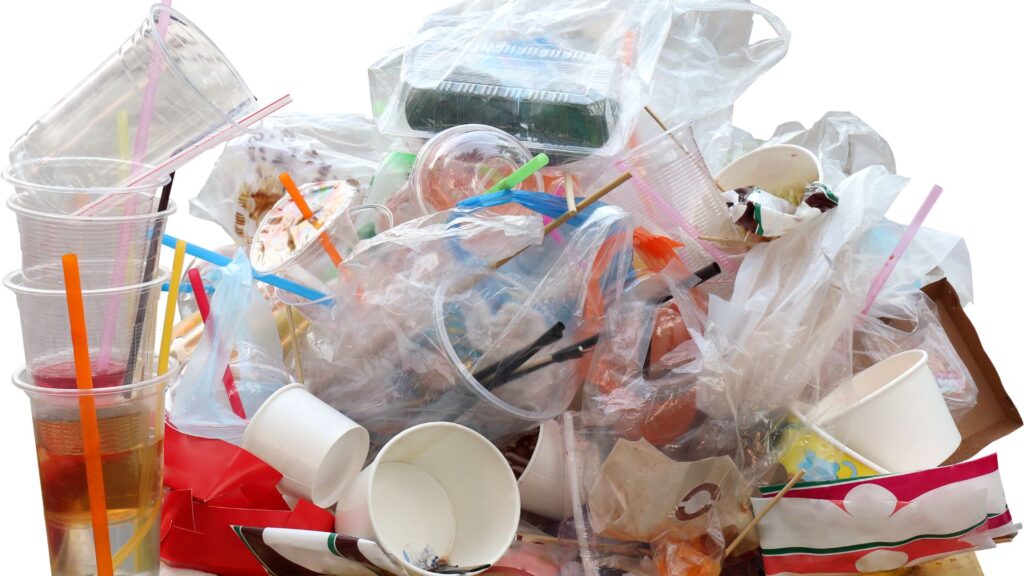
Restaurants generate significant waste, from packaging materials to outdated equipment. Proper junk removal allows for responsible recycling and repurposing of items, reducing environmental impact. Choosing eco-conscious disposal practices helps restaurants align with sustainability initiatives, demonstrating corporate responsibility to the community and environmentally minded customers. Removing and sorting junk ensures that recyclable materials do not end up in landfills unnecessarily, contributing to broader environmental preservation efforts.
Eco-friendly junk removal also encourages staff awareness and participation in sustainability. When teams understand that waste is being responsibly managed, they are more likely to adopt similar practices in daily operations, reducing overall waste generation. Restaurants that actively pursue environmentally conscious disposal not only comply with regulations but also build a positive brand image.
Streamlining Renovations and Equipment Upgrades
Restaurant renovations and equipment replacements are complicated by accumulated junk. Outdated appliances, furniture, and construction debris can slow projects and create hazards. By clearing out unnecessary items, junk removal facilitates smoother renovations, allowing contractors and staff to work efficiently. A clean, organized environment ensures that new equipment is installed safely and promptly, reducing downtime and operational disruptions. Efficient junk removal transforms a chaotic space into one ready for modernization and improvement.
Timely disposal also simplifies inventory management during upgrades. Staff can identify items worth keeping, recycling, or discarding, preventing clutter from overwhelming storage areas. Removing old equipment reduces the risk of accidents during installation and allows for proper placement of new appliances. This organized approach maximizes space utilization and operational continuity, supporting long-term efficiency.
Reducing Odors and Maintaining Air Quality
Accumulated junk in a restaurant can contribute to unpleasant odors and poor air quality. Food waste, discarded packaging, and broken appliances may release odors that permeate kitchens, storage areas, and dining spaces. Regular junk removal prevents these issues, maintaining a fresh, clean atmosphere that supports both employee comfort and customer satisfaction. Proper disposal and cleaning routines eliminate lingering smells, creating a more pleasant environment for food preparation and dining experiences.
Air quality also impacts health and productivity. Mold, bacteria, and dust trapped in cluttered areas can exacerbate respiratory issues and reduce staff efficiency. Junk removal eliminates hidden reservoirs of contaminants, ensuring a safer and more comfortable environment. Regular disposal routines reinforce cleanliness and hygiene, supporting overall wellness for employees and patrons alike.
Conclusion
Effective junk removal is not just a matter of cleanliness in restaurants; it is a critical component of health, safety, and operational excellence. By maintaining organized kitchens, reducing fire hazards, preventing pest infestations, and supporting employee efficiency, restaurants create a safer, more productive environment. Regular disposal of outdated materials and broken equipment ensures compliance with health regulations, limits liability, and enhances the dining experience for customers.
For businesses in South Lyon, MI seeking professional junk removal services, Bee Gone Junk Removal provides comprehensive solutions tailored to restaurant environments. Their team efficiently handles the removal of excess equipment, packaging, and debris, prioritizing safety and environmental responsibility. By contacting Bee Gone Junk Removal at 734-355-9918 or via email at beegonejunkremoval@gmail.com, restaurants can streamline their operations, protect staff and customers, and maintain hygienic, clutter-free spaces essential for successful dining establishments. Reliable junk removal ensures peace of mind and a healthier, more organized workplace.