
Removing commercial appliances from business spaces can be more complex than it appears. Large refrigerators, ovens, freezers, and other equipment often require careful planning, proper tools, and professional handling to avoid property damage or personal injury. Many businesses underestimate the challenge of disposing of outdated or non-functioning appliances, which can lead to unsafe storage, blocked pathways, or health hazards.
Working with a trained junk removal team also ensures accountability. Many commercial appliances are heavy, awkwardly shaped, and contain elements like refrigerants or oils that require specialized handling. Professionals know how to disassemble, transport, and dispose of these items safely. They also often provide documentation of disposal, which is useful for businesses with sustainability or compliance reporting requirements. The added value of expertise reduces the risk of injury, legal issues, and damage to the premises.
The Importance of Timely Appliance Removal
Procrastinating on removing outdated or malfunctioning commercial appliances can have unforeseen consequences. Old equipment can occupy essential storage space, hinder workflow efficiency, and even attract pests or mold if left unused for extended periods. Delaying removal increases the risk of accidents, especially in kitchens or storage areas where cramped spaces pose tripping or crushing hazards. Timely action helps maintain a professional, organized workspace, which can impact both employee morale and customer perception. In addition, removing appliances promptly ensures compliance with health and safety regulations.
Timely removal is also essential for preserving operational efficiency. When appliances malfunction or become obsolete, they can cause workflow bottlenecks or operational delays. Keeping them in place may create unnecessary clutter that complicates daily tasks, making it harder for employees to navigate spaces safely. Scheduling professional removal at strategic times reduces downtime and prevents last-minute logistical challenges. It also protects the investment in new equipment, ensuring installation occurs in a clean, unobstructed environment.
Challenges of Handling Large Appliances
Large commercial appliances pose unique challenges that require specialized equipment and techniques. Their sheer weight and bulk can make them difficult to maneuver through narrow doorways, staircases, or crowded storage areas. Additionally, improper lifting or handling can result in damage to flooring, walls, or the appliance itself, creating unnecessary repair costs. Many appliances also contain components like compressors, refrigerants, or electrical connections that need careful management to avoid spills or contamination. Attempting to move such items without proper training increases the likelihood of injury or property damage.
Beyond the physical challenge, coordinating the removal of large appliances often involves navigating regulatory requirements. Refrigerants and other chemicals must be disposed of in accordance with local environmental laws to prevent pollution. Professionals understand these guidelines and can provide compliance assurance, avoiding potential legal or financial repercussions. Planning the removal process also includes timing, staffing, and route assessment to minimize disruption to daily business activities.
Eco-Friendly Appliance Disposal Practices
Modern commercial junk removal emphasizes eco-friendly practices to reduce the environmental footprint of appliance disposal. Many appliances contain recyclable materials, including metals, plastics, and glass, which can be recovered and reused. Refrigerants, oils, and other hazardous components require specialized handling to prevent contamination. A professional removal service often incorporates recycling protocols and donation initiatives, diverting as much material as possible from landfills. This approach not only benefits the environment but also aligns with sustainability goals, enhancing a business’s public image.
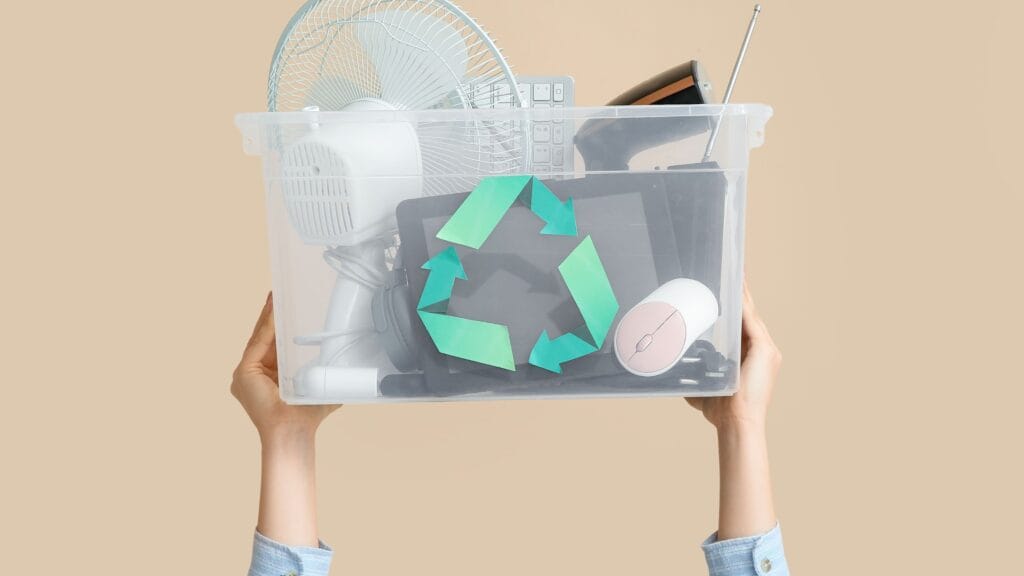
Eco-friendly removal begins with careful assessment and sorting of each appliance. Items that are still functional or repairable may be donated to community organizations, while non-functional appliances are dismantled for recycling. This process minimizes waste and maximizes resource recovery. Professionals ensure that toxic substances are neutralized and safely contained during transport and disposal. Additionally, environmentally conscious removal services often document recycling efforts, providing businesses with proof of responsible practices.
Planning Appliance Removal for Renovations
When a business undertakes renovations, planning for appliance removal is critical. Appliances often obstruct construction areas or need temporary relocation to accommodate remodeling. Without careful planning, these items can delay projects or cause accidental damage to new installations. Professional removal services offer scheduling flexibility and strategic execution, ensuring appliances are moved at optimal times to minimize disruption. Early coordination allows contractors and staff to anticipate space requirements and maintain workflow continuity.
Strategic planning also involves communication and coordination among multiple parties. Contractors, facility managers, and removal specialists need clear protocols to ensure that each appliance is safely relocated or disposed of. Advanced notice allows for proper preparation of tools, vehicles, and personnel, reducing the risk of accidents or delays. Planning ahead also enables businesses to take advantage of recycling or donation opportunities, aligning renovation projects with sustainable practices.
Cost Considerations in Commercial Appliance Removal
Commercial appliance removal comes with variable costs influenced by factors such as appliance size, quantity, complexity of removal, and disposal methods. Large refrigerators, industrial ovens, and other specialized equipment require more labor and handling resources, which can increase expenses. Additional considerations include transportation, environmental fees, and recycling or disposal charges. Understanding these factors in advance allows businesses to budget effectively and avoid unexpected costs.
Cost efficiency also stems from leveraging professional expertise. While DIY removal may seem cheaper initially, the risk of damage, injury, or regulatory violations can be far more expensive. Professionals streamline processes by deploying the right tools, personnel, and disposal channels. They also minimize downtime, preserving operational productivity, which has indirect cost benefits. Businesses that invest in professional removal services often find that the overall value outweighs the expense, as time, safety, and compliance are protected.
Safety Protocols for Commercial Spaces
Safety is a paramount concern when removing commercial appliances. Heavy, bulky equipment can cause injuries if improperly handled, and electrical or chemical components introduce additional hazards. Professionals follow strict safety protocols, including protective equipment, safe lifting techniques, and secure transport methods, to minimize risk. In addition, work areas are assessed for hazards such as wet floors, narrow passageways, or unstable storage racks. Proper preparation and adherence to safety guidelines protect employees, contractors, and customers while ensuring the removal process proceeds smoothly.
Safety extends to the disposal process as well. Appliances often contain chemicals or refrigerants that must be neutralized or reclaimed according to local regulations. Mishandling these substances can lead to fines, contamination, or health risks. Professionals are trained to identify, isolate, and safely remove such materials, maintaining compliance with environmental and workplace safety standards. A disciplined approach to safety ensures that commercial spaces remain hazard-free during and after appliance removal.
Coordinating Removal with Business Operations
Minimizing disruption is critical when removing appliances from active commercial spaces. Professionals coordinate with business managers to schedule removal during low-traffic periods or after hours, ensuring that operations continue uninterrupted. Communication is key to aligning removal times with delivery schedules, renovation plans, or peak service hours. Proper coordination prevents workflow bottlenecks and reduces the risk of accidents or service delays. A well-organized approach allows staff to focus on their tasks without interference while appliances are safely removed and disposed of.
Coordination also involves pre-removal preparation. Items may need to be disconnected, emptied, or cleared from the vicinity to facilitate smooth transport. Professionals assess the space, plan routes, and deploy equipment strategically to reduce labor and time requirements. Contingency plans account for potential obstacles such as tight corners, heavy doors, or crowded storage areas. By integrating appliance removal seamlessly into everyday operations, businesses maintain efficiency and safeguard both staff and property.
Compliance with Local Regulations
Commercial appliance removal is subject to regulations governing waste disposal, recycling, and environmental safety. Refrigerators, air conditioners, and other equipment often contain substances that must be handled according to strict guidelines. Improper disposal can result in fines, legal liability, or environmental damage. Professional removal services stay up to date with local laws and ensure that all items are disposed of legally and responsibly. Businesses benefit from this expertise, avoiding penalties and contributing to sustainable practices. Documentation of compliance may also be provided, supporting internal audits or reporting requirements.
Compliance extends beyond environmental rules. Occupational health standards, fire codes, and property regulations also influence appliance removal processes. Professionals incorporate these considerations into their planning, ensuring that all activities meet required standards. They can advise on safe storage, transport routes, and disposal methods to maintain adherence to the law. By engaging knowledgeable services, businesses mitigate risk, demonstrate accountability, and uphold operational integrity.
Benefits of Using Professional Junk Removal Services
Engaging professional junk removal services for commercial appliances offers multiple advantages. Businesses benefit from expert handling, efficient scheduling, and adherence to safety and environmental standards. Professionals streamline the process, reducing labor strain on staff and minimizing operational disruption. They also provide eco-conscious disposal, maximizing recycling and donation opportunities while reducing landfill waste. Utilizing such services ensures that appliances are removed safely, quickly, and responsibly, preserving the integrity of the commercial space.
In addition to operational efficiency, professional services enhance accountability and compliance. Documentation of removal, recycling, and disposal processes offers businesses evidence for regulatory reporting and sustainability initiatives. Using trained teams reduces the risk of damage to property and minimizes injury liability. Businesses can also benefit from flexible scheduling options, customized plans for different types of appliances, and ongoing support for future removal needs.
Conclusion
Commercial appliance removal requires more than simple disposal; it demands careful planning, expert handling, and adherence to safety and environmental regulations. Businesses that engage professional junk removal services gain efficiency, reduce risk, and maintain compliance, ensuring a cleaner and safer work environment. From navigating regulatory requirements to coordinating schedules with ongoing operations, professional services handle each step with precision.
For businesses in South Lyon, MI seeking reliable junk removal, Bee Gone Junk Removal provides expert commercial appliance removal services. Their team ensures safe handling, environmentally conscious disposal, and efficient scheduling to minimize disruption. You can contact them at 734-355-9918 or via email at beegonejunkremoval@gmail.com for professional support. By partnering with Bee Gone Junk Removal, businesses gain peace of mind knowing appliances are removed responsibly, compliance is maintained, and spaces are ready for new installations or renovations. Their expertise turns a potentially challenging task into a streamlined, dependable solution tailored to commercial needs.