
Running a restaurant means more than just creating delicious meals—it also involves managing the mess behind the scenes. From worn-out appliances to piles of packaging waste, junk has a way of building up quickly in food service environments. Without a system in place, clutter can affect safety, efficiency, and even customer impressions. That’s why focusing on proper junk removal practices becomes essential for keeping operations smooth and stress-free.
Restaurant junk removal isn’t just about discarding trash; it’s about creating a cleaner, healthier space where staff can work without distraction and guests can enjoy a welcoming atmosphere. Taking time to understand effective removal strategies allows owners to avoid unnecessary hazards, streamline workflow, and remain compliant with health standards. By thinking ahead and making smart choices, restaurants can stay organized while minimizing disruptions to their daily operations.
Creating a Junk Removal Plan for Restaurants
Every restaurant benefits from having a detailed junk removal plan, as waste can accumulate daily in kitchens, dining rooms, and storage spaces. Establishing clear guidelines for what needs to be removed, how often, and by whom helps staff stay organized. A written plan also prevents confusion, ensuring everything from broken chairs to excess packaging is handled responsibly. By mapping out each step, restaurants can avoid last-minute pile-ups that slow down productivity and create safety risks.
A strong junk removal plan should consider the volume of waste produced, the types of materials discarded, and the best disposal methods for each. For instance, outdated appliances may require different handling than paper or food-related waste. By assigning responsibilities and creating a timeline, restaurants can maintain a steady routine that keeps junk from becoming overwhelming.
The Importance of Timely Junk Removal in Restaurants
When junk piles up in a restaurant, it doesn’t just take up space—it interferes with workflow and can even compromise safety. Kitchens filled with unused equipment or cluttered hallways pose hazards for employees moving quickly during busy service hours. Delaying junk removal increases the likelihood of accidents, fire risks, and even pest infestations. Quick action helps prevent small problems from spiraling into costly setbacks.
Timely junk removal also supports a restaurant’s image. Guests notice more than just the food; they pick up on cleanliness, organization, and overall atmosphere. If visible clutter starts creeping into dining spaces, it can impact how customers view the establishment. By prioritizing consistent removal, restaurants ensure a smoother experience for staff and patrons alike. Building a regular schedule into daily or weekly routines keeps the environment welcoming and professional, while also helping the business stay ahead of health and safety requirements.
Handling Restaurant Appliance Disposal Efficiently
Restaurants rely on heavy-duty appliances that eventually wear down and need replacing. Disposing of these items properly can be tricky, since ovens, refrigerators, and dishwashers are bulky and often contain components that require special handling. Leaving them sitting in storage or back rooms only creates more clutter and reduces usable space. Efficient disposal ensures that these machines are removed quickly, making room for new equipment to keep the kitchen running at its best.
One effective strategy is coordinating with junk removal services that specialize in appliance disposal. These professionals understand how to handle large, heavy objects safely and responsibly. Many appliances contain materials that can be recycled, from metal frames to electronic parts. Ensuring they are handled correctly not only clears space but also supports eco-friendly practices. By planning ahead for appliance turnover, restaurants avoid unnecessary downtime and maintain a cleaner, more efficient work environment.
Managing Bulk Junk from Restaurant Renovations
Renovations bring exciting updates to restaurants, but they also leave behind a trail of debris, from torn-out countertops to old flooring and broken fixtures. Managing this bulk junk can be overwhelming without a proper system. Leaving construction waste scattered around creates hazards and slows down the progress of reopening or improving the space. Prompt removal keeps the renovation process efficient and the property safe.
Because renovation junk is often bulky and heavy, specialized handling is usually required. Contractors and restaurant owners can benefit from scheduling junk removal ahead of time to keep the site clear throughout the project. Coordinated removal not only ensures compliance with local regulations but also makes the renovation smoother for all involved. By staying proactive about bulk junk management, restaurants can complete upgrades faster and return to welcoming customers in a refreshed environment without unnecessary delays.
Recycling and Reusing Restaurant Materials
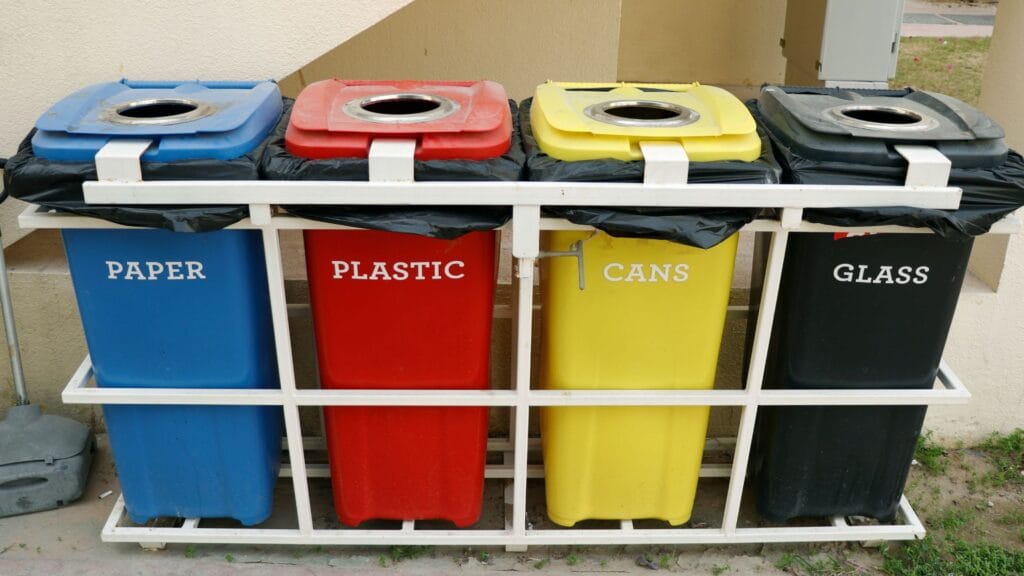
Not all restaurant junk has to go straight to a landfill. Many items, from cardboard boxes to metal kitchen equipment, can be recycled or reused. Recycling programs reduce environmental impact while freeing up valuable space in kitchens and storage areas. Taking the time to separate recyclable materials from general waste is a simple step that makes a big difference in sustainability and overall cleanliness.
Some materials can even be repurposed creatively. For example, wood from old furniture might be reused in décor projects, or certain packaging materials could be donated for community use. By adopting a mindset that looks beyond simple disposal, restaurants can reduce costs and build eco-friendly reputations. Recycling and reusing materials not only keeps clutter under control but also supports practices that align with modern expectations for sustainability in the food industry.
Junk Removal to Maintain Restaurant Health Standards
Health and safety standards are at the heart of every successful restaurant. Junk left sitting around creates more than just an eyesore—it can attract pests, increase contamination risks, and create obstacles in high-traffic areas. Inspectors often notice cluttered spaces, and failure to address them can lead to warnings or penalties. Consistent junk removal ensures a restaurant remains compliant and safe for both employees and customers.
By clearing out unnecessary items, restaurants reduce the risk of accidents and cross-contamination. Storage areas remain organized, cleaning routines become easier, and overall hygiene improves. Keeping junk under control demonstrates a commitment to health standards that customers appreciate. By prioritizing cleanliness and order, restaurant owners build trust and provide a better dining experience while ensuring they meet strict regulatory requirements without unnecessary stress.
Seasonal Junk Removal Strategies for Restaurants
Restaurant operations often change with the seasons, and so does the type of junk they generate. Holiday packaging, outdoor dining equipment, or seasonal décor can quickly pile up if not managed properly. Adapting junk removal strategies to fit seasonal needs ensures that clutter doesn’t overwhelm storage spaces or interfere with service during the busiest times of the year.
Seasonal cleanouts give restaurants an opportunity to reset and prepare for new demands. Scheduling junk removal after major holidays or before patio season begins helps maintain order and efficiency. By adjusting strategies to match the calendar, restaurant owners can avoid last-minute scrambles and create smoother transitions between busy periods. Seasonal planning keeps the environment fresh, safe, and welcoming for both staff and guests throughout the year.
Improving Workflow Through Junk Removal
Efficiency is vital in restaurant environments where timing matters at every step. Clutter from unused equipment, excess packaging, or random storage items disrupts workflow and slows down service. Junk removal helps free up valuable space, allowing staff to move more quickly and safely during peak hours. With fewer obstacles in their way, employees can focus on delivering quality service without unnecessary stress.
A well-organized environment also improves communication and teamwork. When storage areas are decluttered and pathways are clear, staff members spend less time searching for supplies or working around unnecessary objects. This smooth flow reduces frustration and boosts productivity. By investing in regular junk removal, restaurants create a workspace that supports efficiency, minimizes risks, and enhances the overall dining experience for customers.
Cost-Effective Junk Removal for Restaurants
Budget is always a concern in restaurant management, and junk removal can sometimes feel like an added expense. However, approaching it strategically can actually save money in the long run. Clutter takes up valuable space, reduces efficiency, and can even result in fines if health or safety violations occur. By addressing junk removal consistently, restaurants avoid these costly consequences while maintaining smoother operations.
Partnering with professionals who understand restaurant needs allows for efficient removal without disrupting business. Some items may even be recyclable, which reduces disposal costs and supports sustainability efforts. Viewing junk removal as an investment rather than just an expense helps restaurants balance budgets more effectively. By staying proactive, owners can keep operations streamlined and avoid unexpected costs caused by neglecting clutter.
Training Staff for Better Junk Management
Junk removal isn’t solely the responsibility of management—it’s a team effort. Training staff on proper disposal methods, recycling practices, and organization habits makes the process more effective. When employees understand the importance of keeping the workplace clutter-free, they become more mindful in their daily routines. Regular training sessions also help reinforce expectations and keep everyone on the same page.
Encouraging teamwork around junk management fosters a cleaner, safer environment for everyone. Assigning specific responsibilities or rotating tasks ensures consistency without overwhelming any one employee. Staff who are empowered to take ownership of cleanliness contribute to a positive workplace culture. By prioritizing education and accountability, restaurants build long-lasting habits that keep junk under control and operations running smoothly.
Conclusion
Restaurant junk removal is more than a side task—it is an essential part of running a safe, efficient, and welcoming establishment. From creating structured plans to training staff and recycling materials, every step contributes to smoother operations and a better customer experience. A proactive approach ensures that clutter never becomes a roadblock to success, allowing restaurant owners to focus on what matters most: serving quality food and creating enjoyable dining environments.
For reliable junk removal support in South Lyon, MI, turn to Bee Gone Junk Removal. Their team provides efficient solutions tailored to restaurants, ensuring spaces remain organized and compliant with health standards. You can reach them at 734-355-9918 or send an email to beegonejunkremoval@gmail.com to schedule service. With professional guidance, your restaurant can maintain a cleaner, safer environment that supports long-term growth and customer satisfaction.